
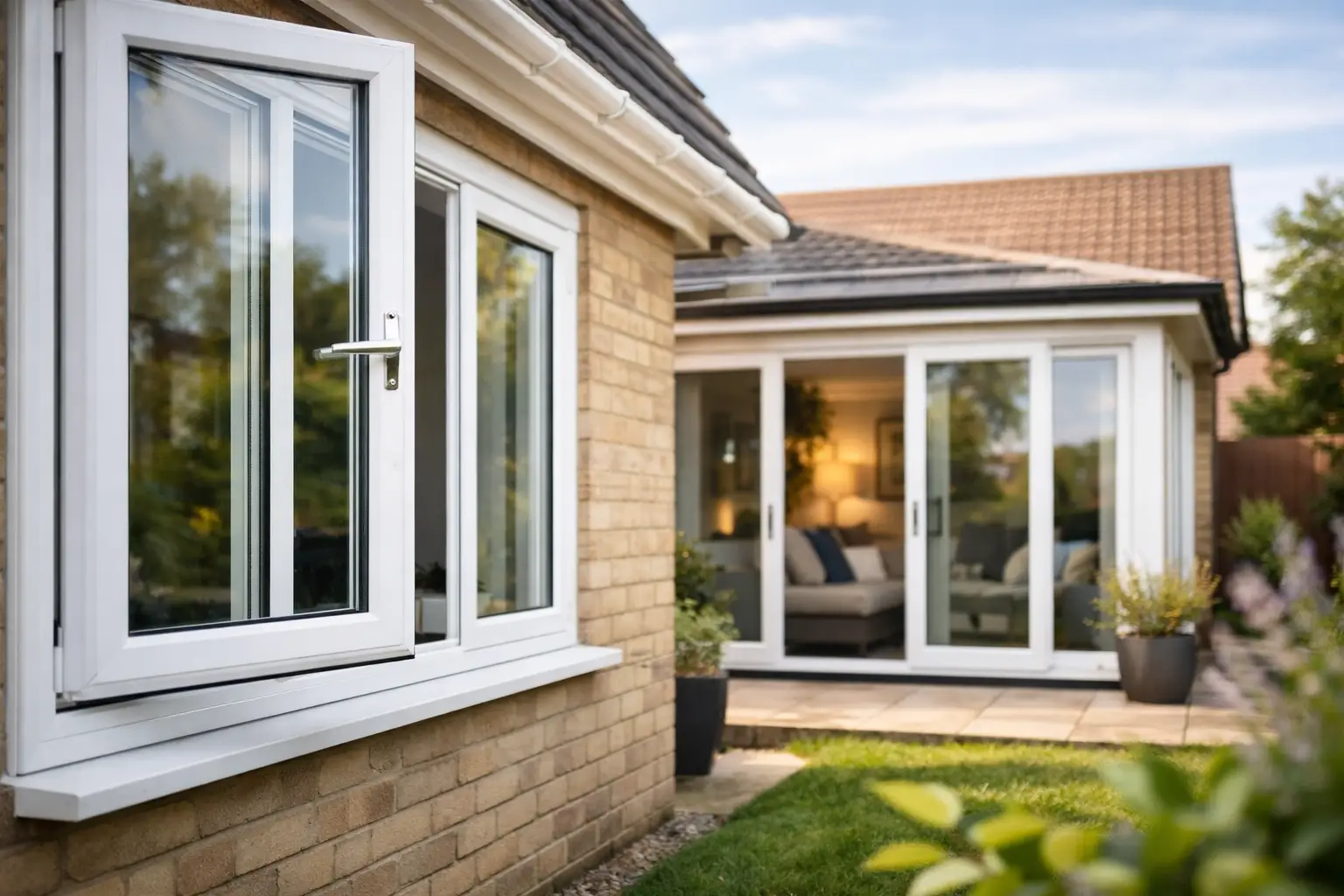
A replacement window should do more than fill an opening in the wall. It should keep your home warmer on a cold Doncaster morning, feel secure when you are away, and suit the character of the property from the pavement. Choosing windows Doncaster homeowners will be happy with for years comes down to getting those practical details right, not simply choosing the lowest initial price.
For many homes, new windows are a considered investment rather than an impulse purchase. The best choice balances appearance, thermal performance, ventilation, security and budget – with careful measuring and fitting making just as much difference as the frame itself.
Choosing windows in Doncaster for the way you live
There is no single best window for every property. A modern family home, a traditional terrace and a period cottage may all need different things from their glazing. Start by considering the rooms you use most, the age and style of the house, and the frustrations you want to solve.
If a front bedroom feels chilly, improving insulation may be the priority. If a busy road creates unwanted noise, the specification of the glass can matter as much as the frame. If you are updating a home before selling, a style that improves kerb appeal without looking out of place may offer the right balance.
It is also worth thinking beyond the window in isolation. Sightlines, opening direction, internal window boards, exterior brickwork and the style of nearby doors all affect the finished result. Honest advice at the survey stage helps avoid choices that look good in a showroom but feel unsuitable once installed.
Start with the frame material
uPVC windows
uPVC remains a popular choice because it offers dependable performance, straightforward maintenance and a wide range of colours and styles. Modern uPVC frames are a long way from the plain white designs many people remember. Woodgrain finishes, coloured exteriors and slimmer, more refined profiles can work well on both newer and older homes.
Casement windows are especially versatile. Their hinged opening sections provide useful ventilation and are available in a variety of layouts. Flush sash designs sit neatly within the frame, creating a cleaner, more traditional appearance that suits homeowners who want classic character with modern insulation and security.
The trade-off is that not every uPVC profile will suit every period property. On a home with original timber features, choosing a sympathetic flush or heritage-style design is usually more convincing than fitting a standard contemporary frame.
Aluminium windows
Aluminium is valued for its strength and slim frames. It can allow more glass and less visible frame, which is particularly attractive where you want to make the most of a garden view or bring extra daylight into a larger opening. Its crisp lines also suit contemporary extensions and modern renovations.
It is a premium option, so the budget needs to reflect that. Yet its durability, low maintenance requirements and clean appearance can make it a worthwhile choice for homeowners planning a long-term improvement. Aluminium is available in a broad choice of powder-coated colours, making it easier to coordinate windows with an entrance door, bi-folds or patio doors.
Timber windows
Well-made timber has a warmth and depth that is difficult to reproduce exactly. It can be the natural choice for listed or character properties, subject to any planning or conservation requirements, and it is often selected where original detailing is a priority.
Timber does require more care than uPVC or aluminium. A quality finish and regular maintenance are essential to protect it from the weather. For the right property and homeowner, however, that extra attention is part of preserving the building’s character rather than an inconvenience.
Window styles that change how a room feels
Casement windows are familiar for good reason. They are adaptable, easy to operate and suitable for most homes. Their layout can be tailored with fixed panes, opening sashes and decorative glazing bars, allowing a practical window to look traditional or contemporary.
Sliding sash windows offer a more distinctive period look. They are particularly suited to Victorian, Georgian and Edwardian-style homes, though they can also add character to newer properties. Modern sliding sashes provide the visual appeal of traditional windows while offering better draught resistance, easier operation and improved security.
Tilt-and-turn windows are useful where access for cleaning or controlled ventilation matters. The window can tilt inwards at the top for a secure airflow or open inwards like a door. They are often a sensible option for upper-floor rooms, flats and contemporary homes.
Residence 9 and heritage-style windows are designed for homeowners seeking a more authentic, timber-like appearance without choosing timber. The right profile, finish and glazing-bar arrangement can make a substantial difference. Details such as handles, trickle vents and sightlines may seem small, but they influence whether the finished windows look considered.
Glass, warmth and lower energy bills
A window’s energy performance is not determined by the frame alone. The glass unit, spacer bars, seals and installation all contribute to how well it keeps heat inside. Modern double glazing can significantly improve comfort in homes with ageing single glazing or poorly performing older units. In some circumstances, triple glazing may be worth considering, especially where maximum thermal performance or noise reduction is required.
Triple glazing is not automatically the right answer for every house. It can add weight and cost, and the improvement should be considered alongside the full window specification and the condition of the rest of the property. A well-specified double-glazed window, professionally fitted, may be the sensible choice for many Doncaster homes.
For rooms facing a main road, school route or other busy area, acoustic glass can help reduce external noise. Obscure glazing is useful in bathrooms and street-facing spaces where privacy is important. Toughened safety glass should be used where required, such as in certain low-level or door-adjacent locations. These are practical choices that should be discussed before manufacture, rather than added as an afterthought.
Security is built into the details
Homeowners should expect replacement windows to provide more than a basic lock. Quality windows use secure locking points, durable hinges, reinforced frames where appropriate and toughened glass in relevant areas. Just as important, the window must close correctly and sit properly within the opening.
A poorly fitted window can compromise performance even when the product itself is excellent. Gaps, weak finishing and inaccurate alignment can affect security, weather resistance and how smoothly a sash operates. This is why experienced surveying and careful installation remain central to a good result.
Ask how existing windows will be removed, how the surrounding area will be protected, and what finishing work is included. Clear answers are a good sign. Replacement work should leave your home looking improved, not create a list of repairs for later.
Why fitting quality matters as much as the product
Every property has its own quirks. Openings in older homes may not be perfectly square, brickwork can require sensitive treatment, and internal finishes need to be protected. A proper site survey identifies these issues early and gives you a more accurate quotation.
The fitting team should take care with both the visible details and the hidden ones. That includes secure fixing, appropriate insulation around the frame, clean external sealing and neat internal finishing. A window can look impressive on the day it is installed, but the real measure is how it performs through wind, rain and changing seasons.
JF Bodman Ltd has served homeowners locally since 1974, bringing a family-run approach to projects where reassurance, workmanship and direct communication matter. For a major home improvement, dealing with a specialist that is accountable for the survey and fitting can bring valuable peace of mind.
Planning your replacement window project
Before requesting a quotation, take a few notes on what you would like to improve. Identify any draughty rooms, difficult-to-open windows, areas with condensation, privacy concerns or styles you dislike. Photographs of the house and a rough idea of preferred colours can also make an initial conversation more productive.
Try to compare quotations on specification, not price alone. Check the frame material and profile, glass type, opening configuration, hardware, security features, removal of old windows and finishing work. A lower figure may reflect a different product or a less complete installation service, so like-for-like comparison matters.
The best replacement windows should make daily life quietly better. Rooms feel more comfortable, the house looks cared for, and you can close the door at night knowing the details have been properly considered. Start with the parts of your home that bother you most, then choose a window solution that will still feel right long after the fitting team has left.