
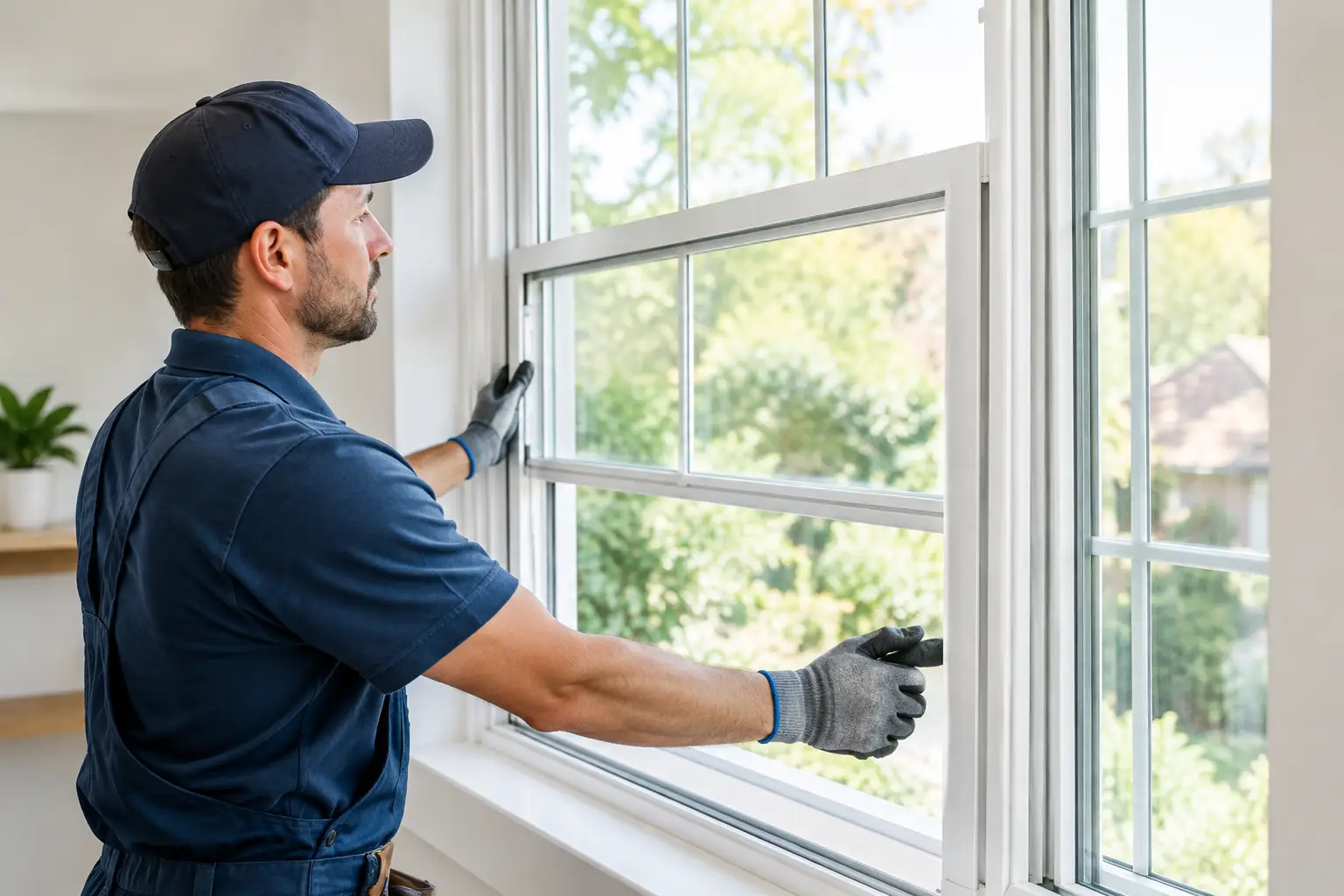
A sliding sash window can change the character of a property from the street, but its real value is felt indoors. Done properly, sliding sash window installation brings together period styling, modern insulation, dependable security and smooth everyday use. Done poorly, even the best-looking window can leave gaps, stick in its frame or spoil the finish around the opening.
For homeowners in Doncaster and across South Yorkshire, replacement sash windows are often part of a bigger plan: reducing draughts, improving kerb appeal or giving an older home a more sympathetic finish. The right product matters. So does the survey, the preparation and the standard of fitting.
Why installation matters as much as the window
Traditional box sash windows are an attractive feature, particularly on Victorian, Edwardian and heritage-style homes. Their two moving sashes create the familiar vertical opening, while their proportions, glazing bars and hardware give a property a distinctive appearance.
Modern sliding sash windows can retain that look without the common frustrations of ageing timber windows. Depending on the specification, they can offer double glazing, advanced weather seals, secure locking and easy-clean mechanisms. However, those benefits only perform as intended when the frame is measured accurately, fitted squarely and sealed correctly.
A replacement window must work with the existing opening rather than simply fill it. Older properties can have uneven brickwork, tired timber reveals or small differences in opening size from one window to the next. A professional survey identifies these details before an order is placed, avoiding rushed adjustments on fitting day.
The survey: where a good installation begins
A proper survey is more than taking width and height measurements. It is the point at which your installer checks the condition of the opening, confirms the preferred design and explains any practical considerations.
The surveyor will assess the existing frames, surrounding brickwork, internal reveals and external sills. They will also discuss whether you want your new windows to closely match original features or take a more contemporary approach. Details such as sash horn design, astragal bars, frame depth, handle finish and colour all affect the final appearance.
This is also the time to consider glazing. Many homeowners choose double glazing for improved comfort and lower heat loss, but privacy glass, obscured bathroom glazing and toughened safety glass may be needed in particular locations. If a property is in a conservation area or has planning restrictions, the window design may need more careful consideration. Honest advice early on helps prevent expensive changes later.
Choosing the right sliding sash window
There is no single best option for every house. The right choice depends on the age and style of the property, the condition of the existing windows, your budget and the level of maintenance you are comfortable with.
uPVC sliding sash windows
uPVC sliding sash windows are a popular choice for homeowners who want the classic sash appearance with low maintenance. They do not need painting, are straightforward to clean and can achieve strong energy efficiency when specified well. Modern designs can include realistic timber-effect finishes, traditional-style hardware and slim, balanced sightlines.
They are particularly suited to households that want a practical long-term replacement without regular upkeep. The trade-off is that, on some listed or highly traditional properties, timber may be required or may provide the closest visual match.
Timber sliding sash windows
Timber has an authentic character that is difficult to replicate, making it a natural choice for period homes. Quality modern timber windows can be durable and energy efficient, but they need ongoing care to protect the finish and maintain their appearance.
For the right property, that extra maintenance can be worthwhile. A knowledgeable installer can help you decide whether timber is necessary for the building, desirable for the look or simply more than you need.
Aluminium and heritage-style options
Aluminium is generally chosen for its strength, slim frames and modern appearance, although some heritage-style systems can work well where a more refined profile is wanted. It is not the traditional choice for every sash-window project, but material and style should always be considered together rather than in isolation.
What happens on fitting day?
A well-organised fitting team will protect the working area, remove the old windows carefully and prepare each opening before the new frame is installed. Replacement windows are not usually a major building project, but there will be some dust and disruption while the old frames are taken out.
The new frame is positioned, levelled and securely fixed. This stage is critical. If the frame is not square, the sashes may not travel properly, the locks may not align neatly and the finished window can look wrong against the brickwork.
Once fixed, the installer checks that both sashes open, close and lock correctly. Modern sliding sash windows often use spring balances rather than traditional cords and weights, creating a smooth movement without the bulky weight boxes associated with original windows. Many also include tilt-in sashes, allowing safer cleaning from inside the home – particularly useful upstairs.
The gaps around the frame are insulated and sealed to help prevent draughts and water ingress. External finishing should be neat and appropriate to the property, while internal trims or making-good work should leave the room tidy. A quality installation is not just about what you see from outside. It is about the detail around every edge of the frame.
Security, warmth and ventilation
Replacing old sash windows is often prompted by cold rooms, rattling frames or concerns about security. A modern system should address all three.
Energy performance comes from more than the glass unit. The frame, seals, spacer bars and quality of installation all contribute to how well a window holds warmth in the home. Well-fitted replacement windows can reduce cold spots and draughts, helping rooms feel more comfortable through a South Yorkshire winter.
Security should be built into the design rather than added as an afterthought. Look for secure locking points, strong hardware and toughened glass where required. Ground-floor windows and accessible openings deserve particular attention, but every window should close firmly and inspire confidence.
Ventilation still matters in an airtight home. Sliding sash windows provide flexible airflow because either sash can be opened. Opening both slightly can encourage warm air to leave through the upper gap while fresher air enters below. Your installer can advise on trickle vents where they are needed to meet current requirements and support healthy airflow.
Preparing your home for installation
A little preparation makes fitting day easier for everyone. Clear ornaments, blinds and curtains from the immediate area, and move furniture away from the windows where possible. If there are alarms, shutters or access issues to discuss, mention them before the installation date.
It is sensible to plan for some normal household noise and to keep pets away from the work area. Most replacement projects are completed efficiently, but the exact timescale depends on the number of windows, access, the condition of the openings and whether any repair work is needed once the old frames are removed.
A reputable local installer will explain the programme clearly, keep disruption to a minimum and leave you knowing how your new windows operate. Ask for a demonstration before the team leaves, including the locks, opening action and tilt feature if your chosen windows have one.
Questions worth asking before you order
Before committing to a sliding sash window installation, ask what is included in the quotation. You should understand the window specification, glazing, security features, finishing work, waste removal and guarantees. A low initial figure can be less attractive if essential work has been left out.
It is also worth asking how the proposed design will suit your property. A good installer will not push the same style onto every home. They will talk through proportions, colours and finishes, and explain where a particular detail may make a noticeable difference.
At JF Bodman Ltd, that conversation is central to the service. As a family-run business established in 1974, we believe homeowners should receive clear answers, careful fitting and a result that looks right for their home.
The best sash windows should not demand attention once they are fitted. They should simply make your rooms warmer, quieter and more secure, while giving your property the character it deserves.