
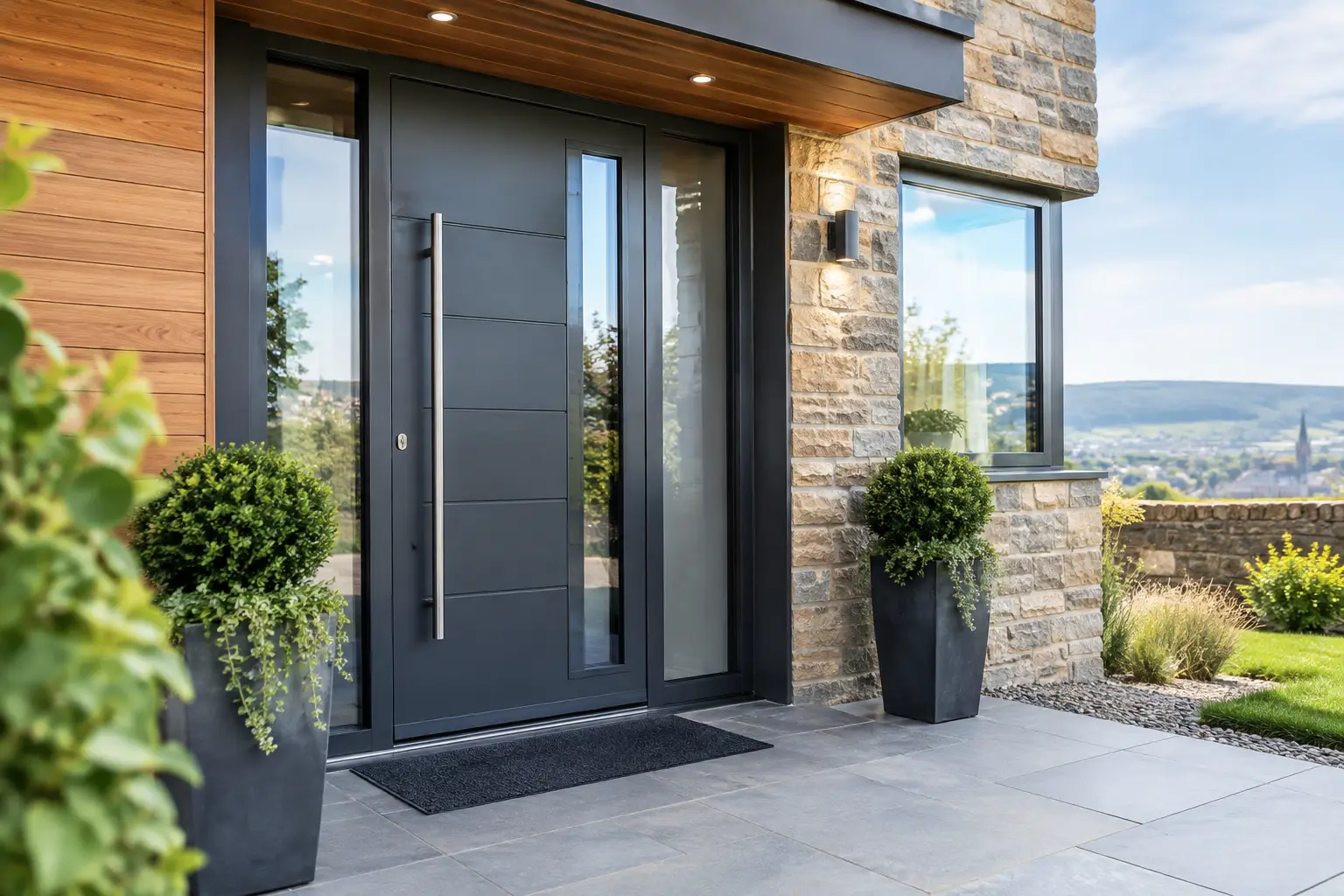
A new front door changes more than the view from the pavement. It affects how secure your home feels, how draught-free the hallway is and the first impression visitors have when they arrive. The strongest modern entrance door trends are not simply about following fashion. They are about choosing a design that suits the property, works hard every day and still looks right years from now.
For homeowners across Doncaster and South Yorkshire, that often means balancing a fresh, contemporary look with the practical qualities that matter in a British climate: dependable locking, efficient insulation and materials that are made to last.
Modern entrance door trends that are built to last
The move towards cleaner lines is clear, but modern does not have to mean cold or featureless. Today’s most successful entrance doors use simple shapes, considered colour and quality hardware to create a smart finish without making a home look out of place.
A contemporary door should also earn its place. A striking panel design is of little value if the door is difficult to maintain, lets heat escape or does not provide the level of security a family expects. That is why the best choices begin with the house itself, rather than a photograph on a screen.
Stronger proportions and wider openings
Homeowners are increasingly using the front entrance as a proper design feature. Wider door slabs, side panels and glazed fanlights can give an ordinary frontage more presence while bringing useful daylight into the hall.
A single wide door may suit a newer detached home or a property with a generous porch. For a narrower terraced or semi-detached house, a carefully proportioned composite door with a slim glazed side panel can achieve a similar result without overwhelming the elevation. The aim is to make the entrance feel welcoming, not oversized.
Pivot doors are another eye-catching option, particularly for contemporary builds and substantial renovations. Their offset hinge allows a larger door leaf and a dramatic opening action. They need accurate measuring, suitable structural support and a layout that has enough room for the door to operate comfortably, so they are not the right answer for every property. When the setting is right, however, they offer a distinctive architectural finish.
Deep, confident colours
Anthracite grey remains popular because it works with modern brickwork, white render and many window finishes. Yet the trend is moving beyond one default shade. Deep blue, forest green, black and rich red-brown finishes are all being chosen to give a home more character.
Muted colours generally have the longest appeal. A dark green composite door can sit beautifully alongside stone, red brick or cream render, while a blue-grey finish offers contrast without looking harsh. Black creates a crisp, high-end appearance, especially when paired with matching aluminium windows or black ironmongery.
It is worth considering the whole frontage before choosing a colour. Look at the brick tone, roof tiles, existing window frames, driveway and any nearby fencing. A colour that looks excellent on a large showroom panel may appear much darker on a north-facing entrance. Samples viewed in natural light are always more useful than an image on a phone.
Wood effects with less maintenance
Timber remains a classic choice, particularly on period homes and character properties. Its natural grain and warmth are difficult to copy exactly. However, many homeowners want that appearance without the regular care associated with painted or stained timber.
High-quality composite and uPVC doors now offer convincing woodgrain finishes in shades such as oak, rosewood and contemporary painted timber effects. They can be a practical fit for busy households, giving the look of a traditional door with straightforward upkeep. A genuine timber door can still be the best choice where authenticity is essential, but it should be selected with a realistic understanding of maintenance needs and exposure to the weather.
Glazing that brings light without losing privacy
Dark hallways are a common frustration, especially in homes with a solid door and limited windows near the entrance. Glazed sections, side panels and fanlights are being used more confidently to make the first room of the house brighter.
Modern door glazing does not mean sacrificing privacy. Obscure, etched and textured glass can soften the view into the hall while allowing daylight through. Slim vertical glazed inserts are particularly effective on modern composite and aluminium doors, adding height and a lighter feel without exposing too much of the interior.
For properties facing a busy road, the positioning of glass matters as much as the pattern. A higher glazed panel may provide daylight while keeping the main sightline private. Toughened glass and secure glazing systems add reassurance, particularly where a panel sits close to the lock or handle.
Large clear-glass panels suit homes with a private approach, enclosed porch or landscaped front garden. They create a more open connection between inside and out, but fingerprints, rain marks and the view into the hallway are practical considerations. The right choice depends on how the entrance is used, not just how it looks in a brochure.
Hardware is becoming part of the design
Door furniture is no longer an afterthought. Long pull handles, square lever handles and coordinated letterplates can give a simple slab door a much more considered appearance. Brushed stainless steel remains a reliable choice, while black hardware is popular where homeowners want a sharper, more contemporary contrast.
The finish should tie in with other visible details. Matching the door handle to exterior lights, house numbers and window hardware creates a calm, intentional look. Mixing too many finishes can make an entrance appear busy, particularly on a smaller frontage.
Practical use comes first. A long bar handle can look excellent on a large aluminium door, but it may not be the most convenient option for every family. Lever handles are familiar, easy to use and available in styles that work with both traditional and modern doors. Good hardware should feel solid in the hand and operate reliably every day.
Security and warmth are now expected, not optional
Style may start the conversation, but security often decides the purchase. Modern entrance doors are expected to include strong frames, dependable multi-point locking and quality cylinders or locking systems designed to resist common methods of attack. The exact specification should suit the door material and configuration, with particular care taken around glazed sections, side panels and letterplates.
It is also sensible to consider who uses the door. Families may want a thumbturn cylinder for easy exit in an emergency, while other households may prefer a key-operated option on both sides. Smart locks can offer useful convenience, but they should complement, rather than replace, a well-specified door and secure fitting.
Thermal performance is equally important. A front door is a relatively small part of the building envelope, but a poorly fitted or ageing door can make a hall feel cold and allow noticeable draughts around the frame. Modern composite, aluminium, uPVC and timber doors can all offer good insulation when correctly designed and professionally installed.
Material choice is not a simple league table. Composite doors are valued for their strength, insulating core and broad choice of finishes. Aluminium offers slim sightlines, crisp detailing and excellent potential for large contemporary designs. uPVC can provide a cost-effective, low-maintenance solution, while timber brings natural character and remains an excellent option for suitable properties. Honest advice should focus on the home, budget and desired finish rather than claiming one material suits everyone.
A modern door should still suit the house
One of the most useful modern entrance door trends is actually a more thoughtful approach to style. Homeowners are less willing to choose a door that looks fashionable but clashes with the building.
Flush, minimally detailed doors work especially well with modern homes, extensions and rendered properties. A more traditional panelled design, perhaps in a bold contemporary colour, can give a Victorian terrace or 1930s semi a refreshed look without losing its original character. Heritage-style doors and carefully selected glazing can bridge the gap between old and new.
This is where viewing the door in context matters. Think about the property from the street, not only at close range. Consider whether the frame will coordinate with existing windows, whether a side panel will improve the balance of the frontage and how the design will look in winter as well as summer.
Choosing with confidence
A new entrance door is a visible investment, but it is also a daily-use product. Before making a final decision, ask to see material and colour samples, understand the locking and glass specification, and check exactly what is included in the installation. Good fitting is central to performance. Even an excellent door can disappoint if the frame, seals and finishing are not handled with care.
For a family home, the best result is rarely the loudest trend. It is a door that feels right when you return with shopping in the rain, keeps the hallway comfortable on a cold January morning and gives you confidence when you lock up at night. At JF Bodman, that is the kind of practical, lasting difference worth choosing.