
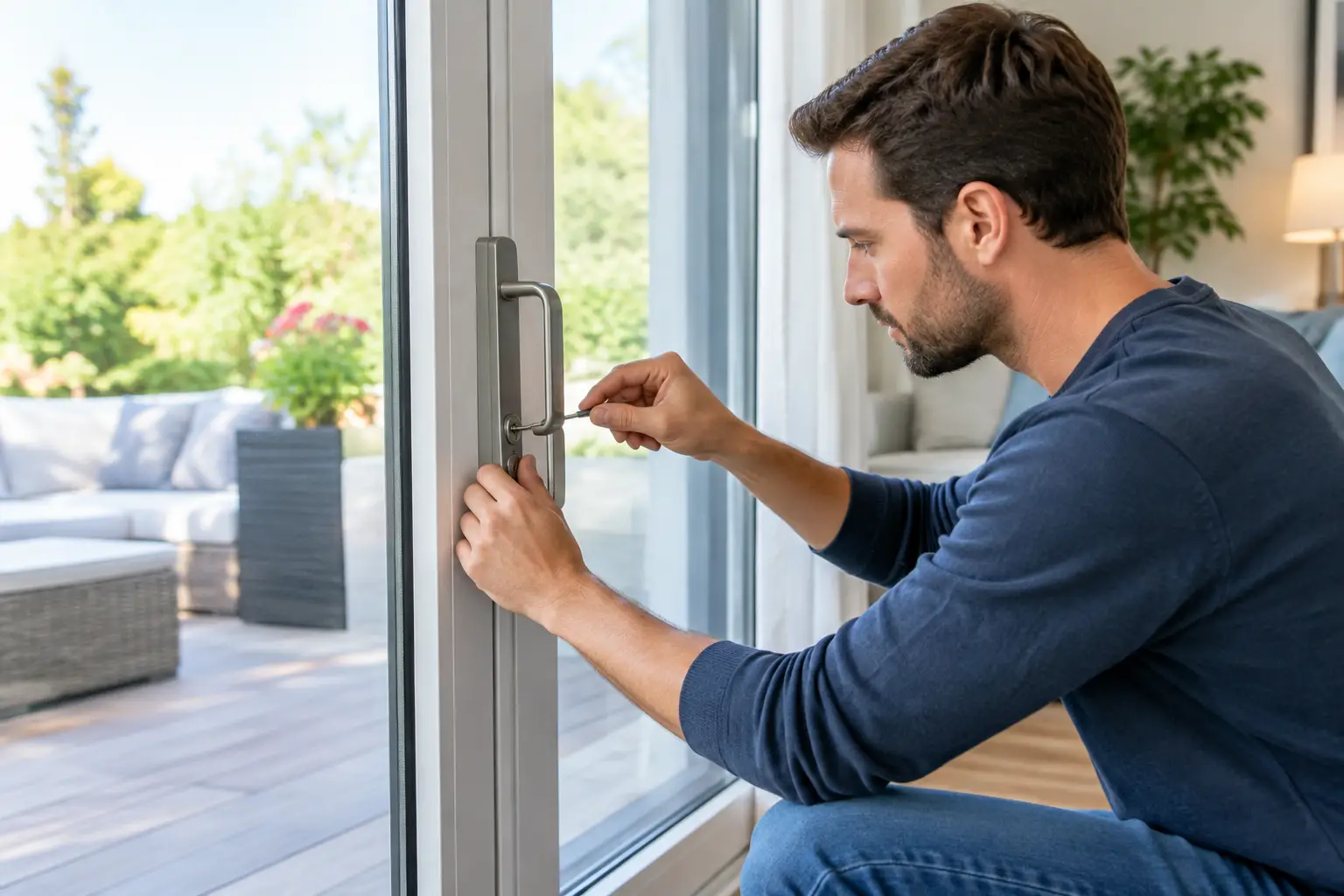
A patio door should bring light, garden views and easy access to your home, not leave you wondering whether it is the weakest point in the room. Knowing how to secure patio doors starts with looking beyond the handle. The lock, frame, glass, track and installation all need to work together to give your household proper peace of mind.
Patio doors are often positioned at the rear of a property, where they may be less visible from the road. That does not mean they are inherently unsafe. A well-made, correctly fitted door with modern security hardware can be a very secure part of your home. The key is identifying where an older door falls short and choosing improvements that suit its design.
Start with the lock and handle
The lock is your first line of defence, but its type depends on the door you have. Sliding patio doors, French doors and bi-fold doors use different locking systems, so there is no single upgrade that suits every opening.
For sliding patio doors, check that the handle locks smoothly and that the mechanism engages fully into the frame. A door that needs lifting, pushing or forcing before it will lock needs attention. It may simply be out of adjustment, but a poorly aligned door can prevent the locking points from doing their job properly.
Modern sliding doors commonly use multi-point locking, where several locking points secure the sash into the frame rather than relying on one central latch. This spreads resistance across the height of the door and makes forced entry far more difficult. If your existing door has only a simple catch or an old, loose handle, replacing the door or upgrading its hardware can make a meaningful difference.
French and bi-fold doors should have secure handles and multi-point locks as standard. Look for handles that do not feel loose, keys that turn without sticking and locking points that engage evenly. If the cylinder projects noticeably beyond the handle plate, ask a professional to assess it. A correctly specified security cylinder and protective handle furniture can reduce the risk of attack on the lock.
Always keep patio door keys somewhere accessible in an emergency, but not on display beside the door or within easy reach through a broken pane. A small key cupboard away from the glass is a sensible choice.
How to secure patio doors from lifting and forcing
Sliding doors need specific protection against being lifted from their tracks. Older designs can sometimes develop enough movement for the moving panel to be raised and disengaged. Modern doors are designed with anti-lift features, but these components should be checked as part of routine maintenance.
Anti-lift blocks, security stops and correctly adjusted rollers limit upward movement and help keep the sash held within the frame. These are not items to improvise with loose timber or makeshift screws. The door must still operate freely, close squarely and provide a safe escape route if required. A qualified installer can inspect the rollers, track and frame and advise whether adjustment, replacement parts or a new door is the right answer.
Do not overlook the track itself. Dirt, grit and leaves can stop a sliding door from sitting correctly, causing wear on the rollers and leaving the lock misaligned. Vacuum the track regularly, wipe it clean and use only a lubricant recommended for your door system. Heavy oil can attract more dirt and make the problem worse.
A secondary security device can provide reassurance on some existing sliding doors, particularly where the original locking arrangement is limited. However, it should support a sound primary lock, not compensate for a worn-out frame or failing mechanism. If a door rattles in the frame, slides with difficulty or has visible gaps around it, start with a professional inspection.
Check the glass as well as the frame
Glass is not simply a decorative part of a patio door. The specification matters for both security and everyday comfort. Toughened safety glass is designed to break into small, less hazardous pieces if damaged, while laminated glass holds together more effectively when fractured because of its interlayer.
The most suitable choice depends on the door style, location and existing glazing system. For many homeowners, modern double glazing with toughened safety glass provides a strong, practical improvement over older units. Laminated options may be worth discussing for locations that need an added level of resistance.
The glazed unit also needs to be properly retained within the sash. Older uPVC doors can have glazing beads positioned externally, while modern systems are generally designed to prevent easy removal from outside. If beads are cracked, loose or damaged, have them examined rather than trying to reseat them yourself.
Security film is sometimes suggested as a quick fix. It can make sense in limited circumstances, but it is not a substitute for suitable safety glass, a secure lock and a well-fitted door. Film can also affect the appearance of the glass and may not be appropriate for every unit.
Make sure the door is fitted and adjusted properly
Even the best security features cannot perform as intended if the door is poorly fitted. A patio door should close evenly, lock without excessive pressure and sit securely in its frame. The gaps around the sash should be consistent, while weather seals should be intact and compress properly when the door closes.
Warning signs include draughts, water ingress, a handle that feels stiff, doors that catch on the threshold or a moving panel that has dropped. These issues are not only inconvenient. They can indicate that the locking points no longer align as they should.
Timber doors need particular care because the material naturally responds to changes in moisture and temperature. Regular inspection, timely refinishing and attention to any swelling or movement will help preserve both the appearance and the secure fit of the door. Aluminium and uPVC require less surface maintenance, but their hinges, rollers, seals and locking mechanisms still benefit from periodic checks.
Professional fitting is especially valuable for wide openings and large glazed panels. These doors are heavy, and small errors in levelling or adjustment can affect how they operate over time. At JF Bodman, this is why high-standard fitting is treated as part of the product, not an afterthought.
Add security around the patio area
A secure patio door works best as part of a wider approach to your property. Good exterior lighting can make the area less appealing to an intruder while making it easier for you to use the garden after dark. A sensor light should be positioned carefully so it illuminates the doorway without shining directly into neighbouring homes or your own living space.
Keep shrubs and climbing plants cut back from the door. Dense planting can create cover and may stop you noticing a damaged lock or pane promptly. Secure garden tools, ladders and furniture that could be used to reach an upstairs window. These are simple measures, but they remove opportunities.
A visible alarm system or a door contact sensor can add another layer of protection. Smart security systems are useful for households that want alerts on their mobile phone, but they still rely on the door being physically secure. Technology can tell you that a door has opened. Quality locks, glazing and fitting help prevent it from opening in the first place.
Curtains, blinds and shutters can also help protect privacy, particularly if a patio door gives a clear view of valuables in the room. Close them when you are out or at night, but avoid creating a routine that advertises a long absence from home.
When replacement is the sensible option
Repairs are often worthwhile when a door is fundamentally sound and the issue is limited to adjustment, rollers, handles or seals. Replacement becomes the more sensible long-term choice when the frame is damaged, the locking system is obsolete, the glass has failed or the door cannot be brought back into reliable alignment.
A new patio door gives you the chance to improve more than security. You can choose a style that suits your home, increase the glazed area, reduce draughts and improve thermal performance. Sliding doors are ideal where you do not want a door leaf opening into the room or across the patio. French doors offer a traditional look and a wide opening, while bi-fold doors can create a more open connection to the garden when fully folded back.
Ask clear questions before choosing a replacement: what locking system is included, which glass specification is recommended, how are the panels protected against lifting, and who will fit and adjust the door? Honest answers to these practical points are worth more than a vague promise that a door is simply ‘high security’.
Your patio door should feel solid, close cleanly and let you enjoy the garden without a second thought. A few regular checks, prompt repairs and a professionally fitted replacement when the time is right can make that confidence part of everyday life.