
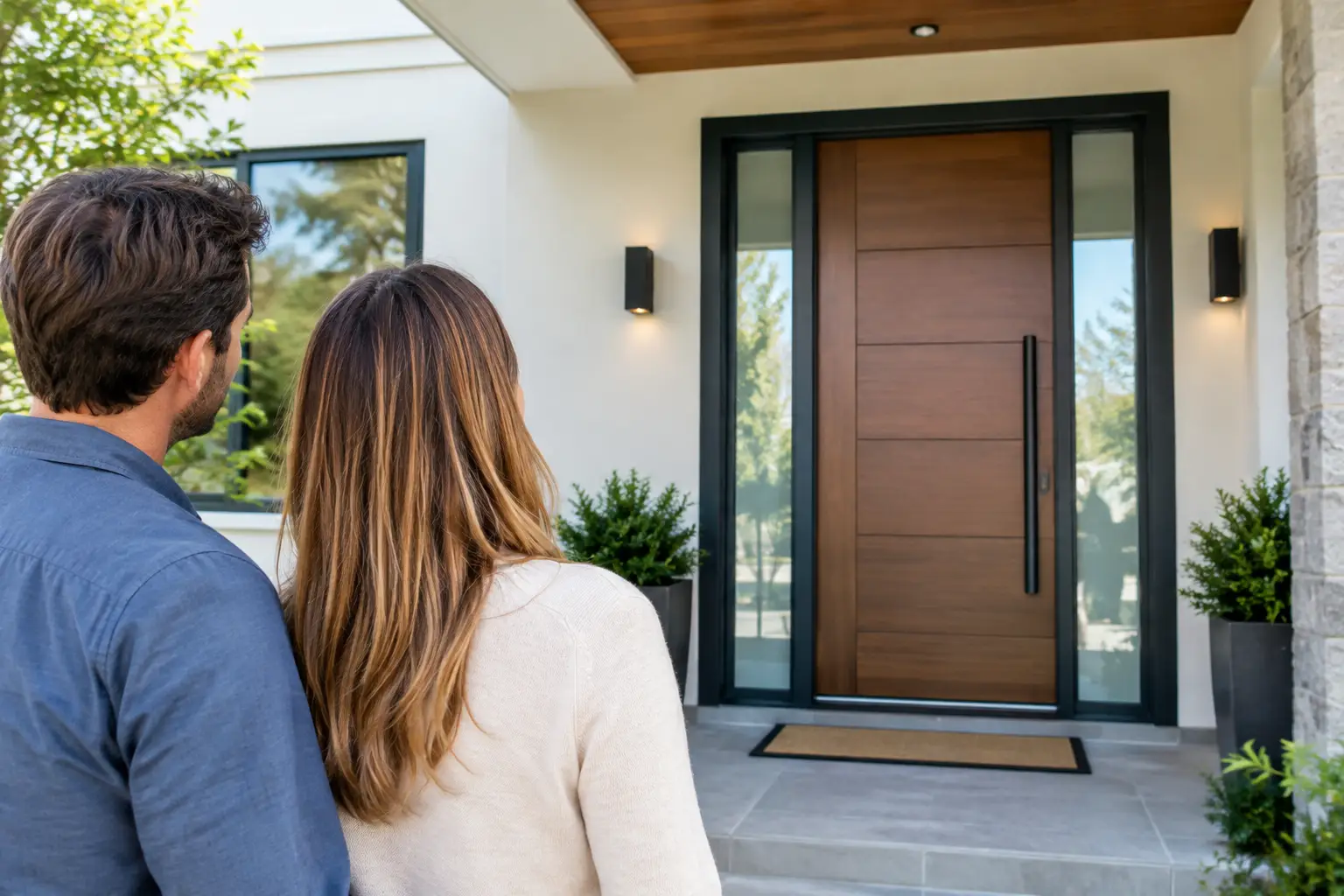
A new external door changes more than the view from the pavement. It can stop draughts in a chilly hallway, make everyday locking simpler and give your property a more considered finish. Knowing how to choose external doors means looking beyond the colour in a brochure and deciding what your home needs from the door every day.
For homeowners in Doncaster and across South Yorkshire, the right choice usually balances security, thermal performance, style and sensible long-term value. The best door is not necessarily the most expensive or the most decorative. It is the one that suits the opening, stands up to the weather and is fitted properly.
Start with the door’s job
A front door needs to make a strong first impression, but it is also your main line of defence against forced entry and poor weather. A rear or side door may need to bring light into a kitchen, connect the house to the garden or cope with frequent use by children, pets and muddy boots. Patio, French and bi-fold doors have a different job again: they need to open the room to the outside without compromising warmth or security.
Before comparing styles, think about how the door will be used. Ask whether privacy matters, whether you need a wider access point for buggies or mobility needs, and which way the door should open. In a narrow porch, an outward-opening door can create more internal space. Where there is little shelter, the material, seals and threshold deserve extra attention.
Choose the right external door material
The material has a major effect on appearance, maintenance, insulation and price. There is no single right answer, because each home and entrance has different priorities.
Composite doors
Composite doors are a popular choice for front and back entrances. They combine several materials to create a substantial door with good insulation, a solid feel and a wide choice of traditional and contemporary designs. Many homeowners choose a composite door when they want the look of timber without regular painting or staining.
They are particularly well suited to exposed entrances and busy family homes. A quality composite door should have a strong frame, secure locking, weather-resistant finishes and a design that complements the age of the property. Check the construction and specification rather than choosing by appearance alone, as not all composite doors are built to the same standard.
uPVC doors
uPVC doors remain a practical, cost-effective option. They are low maintenance, do not require painting and can offer good thermal performance when paired with quality glazing and professional installation. Modern designs are far more refined than older white panel doors, with woodgrain finishes, coloured frames and decorative glass available.
A uPVC door can be an excellent choice for side and rear entrances, or for homeowners looking for a reliable replacement within a defined budget. The trade-off is that some styles may not provide the same weight or premium appearance as a composite, aluminium or timber door.
Aluminium doors
Aluminium is strong, slim and well suited to modern homes, larger glazed panels and statement entrance doors. Its strength allows for clean sightlines and broad expanses of glass, making it a natural choice for contemporary extensions, patios and garden rooms.
It can cost more upfront, but a well-made aluminium door offers durability, low maintenance and a crisp architectural finish. For an entrance door, consider whether the modern profile suits the rest of the property. On a period home, it may work best at the rear, while a more traditional style may be better at the front.
Timber doors
Timber has a warmth and character that is difficult to replicate, especially on cottages, period properties and homes in conservation-minded settings. It can be painted or stained in a broad range of finishes and can be repaired in many cases.
However, timber needs more care than uPVC, composite or aluminium. Painted finishes should be inspected regularly and maintained when required, particularly on exposed elevations. A well-specified timber door can last beautifully, but it is best for homeowners happy to give it the attention it deserves.
Put security ahead of decorative extras
An external door should feel reassuring every time you leave the house, whether you are popping to the shops or going away on holiday. Look for a secure frame and hinges, a multipoint locking system and a high-quality cylinder lock. The handle, letterplate and any glazing should be considered as part of the whole security package, not as separate finishing touches.
For glazed doors, toughened safety glass is a sensible minimum. Laminated glass can add another layer of protection in certain locations. If privacy is a concern, obscure or decorative glazing lets daylight into a hallway while reducing direct views inside.
Security is also about fitting. Even a well-made door cannot perform as intended if the frame is poorly fixed, the lock is misaligned or gaps are left around the opening. Experienced installation and careful adjustment make a real difference to how the door locks, seals and lasts.
Compare energy performance properly
A cold hallway often points to more than an old door leaf. Worn seals, poor frame insulation, single glazing and gaps around the threshold can all let heat escape. When choosing a replacement, ask about the complete door set: the door, frame, glass, seals and installation.
Energy ratings can be helpful, but do not rely on one figure alone. Look at the stated U-value, the quality of the weather seals and whether the proposed specification is right for your particular entrance. A largely glazed door may bring welcome daylight but will perform differently from a solid composite design. Good glazing and a thermally efficient frame help narrow that gap.
A warmer entrance is not just about lower heating bills. It can make the whole house feel more comfortable, reduce cold draughts and limit condensation around the door area during winter.
Match the style to the property, not just the trend
External doors should look at home with the brickwork, windows and roofline. A black aluminium door with a large glazed panel can look superb on a modern extension, while a traditional composite door with panel detailing may suit a Victorian terrace or a suburban family home more naturally.
Start with the existing windows. Their frame colour, glazing bars and overall style offer useful clues. Matching everything exactly is not always necessary, but the choices should feel intentional. Anthracite grey, black, cream, chartwell green and woodgrain finishes can all work well, depending on the property. Consider how the colour will look in different light and alongside your driveway, porch and exterior brick.
Furniture matters too. Letterplates, knockers, handles and numbers can either complete the design or make it feel disjointed. A simple contemporary handle often suits a clean-lined door, while traditional hardware can bring character to a heritage-style entrance.
Think carefully about glazing and privacy
Glazing can transform a dark entrance. A narrow side panel, fanlight or glazed section in the door brings daylight into the hall without requiring a fully glazed design. It can also make a modest entrance feel more generous.
The balance is privacy. Clear glass may be ideal where an entrance is set back from the road, but patterned, frosted or decorative glass is often more suitable for homes directly facing a pavement or neighbouring property. If you are choosing garden doors, clear glazing makes sense for views and daylight, but consider where the sun falls and whether you will need blinds for comfort in summer.
Do not overlook size, thresholds and access
Measure the practical needs of the household, not only the existing opening. A wider door can make life easier with pushchairs, wheelchairs, shopping and furniture. Low thresholds can improve accessibility and reduce trip risks, especially on patio and garden doors.
Opening direction is equally important. French doors can provide a wide, traditional garden opening, while sliding patio doors save space because the panels do not swing into the room or patio. Bi-fold doors can create a broad opening for entertaining, but they need space for the folded panels and more frequent track care than a simple sliding system.
Why professional fitting protects your investment
External doors are precision products. The frame needs to be level, secure and properly sealed against the surrounding brickwork. The door needs to hang correctly, close smoothly and lock without force. Small details, including drainage, trims and threshold finishing, affect weather resistance and the final appearance.
This is why it pays to choose a proven local installer who will assess the opening, explain the options clearly and take responsibility for the finished result. At JF Bodman, that means straightforward advice, quality products and fitting carried out to a high standard – the details that give homeowners genuine peace of mind.
A good external door should feel right from the first turn of the key: secure, quiet, warm and in keeping with your home. Take time to compare materials and specifications, then choose the design that will still make you pleased to come home for years to come.