
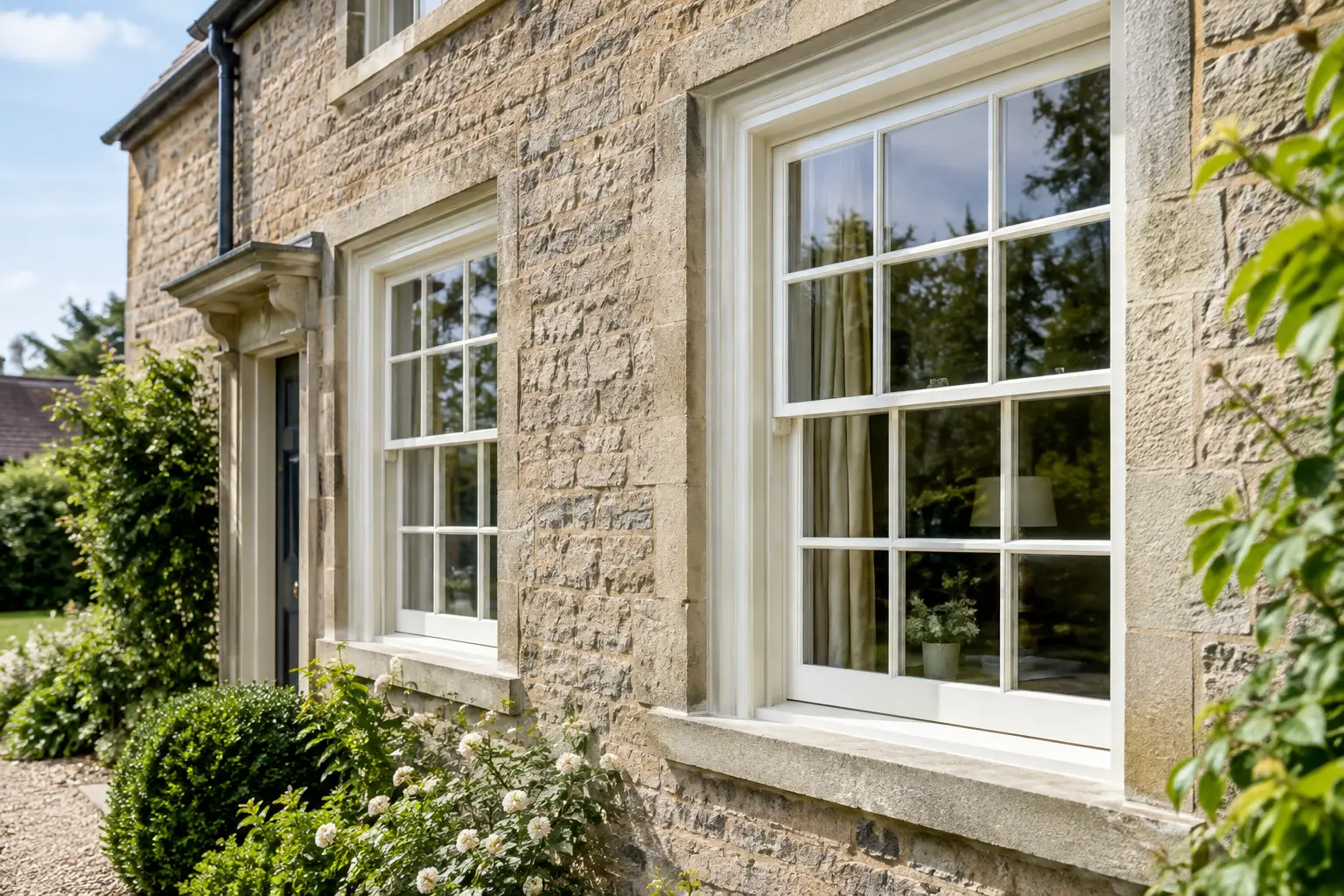
A Victorian bay with chunky, flat replacement frames can change the whole face of a house. The same is true of a cottage window with the wrong glazing bars or a sash window that does not sit comfortably within its original opening. Heritage windows for period homes are about more than choosing a traditional-looking frame. They need to respect the property’s character while making daily life warmer, quieter and more secure.
For homeowners across Doncaster and South Yorkshire, getting that balance right starts with looking closely at the building itself. Its age, original window style, setting and condition all matter. A good replacement should look as though it belongs there, not as though it has been added as an afterthought.
What makes a window right for a period property?
Period homes were built with proportions in mind. Window openings, sightlines, glazing bars and frame depths were designed to work together. That is why a well-made heritage replacement often looks quietly convincing, while a poorly matched one stands out immediately.
The first consideration is style. Sliding sash windows are often the natural choice for Georgian and Victorian homes, particularly where tall openings and vertical proportions are a defining feature. Casement windows may be more appropriate for Edwardian properties, country cottages or homes with simpler original openings. Flush sash windows can suit properties where the opening sections traditionally sat level with the frame rather than proud of it.
It is not always necessary to reproduce every historic detail exactly. In fact, doing so can be impractical or unsuitable where a home has already been altered. The aim is to choose a design that is in keeping with the house, its street and the features that give it character. Frame shape, rail position and glazing-bar layout often make more difference than homeowners expect.
Heritage windows for period homes need slim sightlines
One of the most common mistakes with replacement windows is overlooking the amount of frame on show. Older timber windows were often relatively slender, allowing more glass and preserving the original balance of the opening. A wider, bulkier profile can make windows look smaller and alter the appearance of a bay or frontage.
Modern heritage-style systems are designed to offer finer sightlines than many standard replacements. This is particularly valuable on front elevations, where every detail is more visible. Flush finishes, sculptured profiles and carefully positioned joints can all help create a more authentic result.
Glazing bars deserve proper attention too. In many period properties, individual panes or traditional bar patterns are central to the design. Applied bars placed on both sides of the glass, often with an internal spacer bar, can give a far more convincing appearance than a flat grid fitted to one surface. The right pattern should follow the property, not a generic template.
Colour makes a difference, but it is not the whole story. White remains appropriate for many homes, while soft creams, heritage greens, greys and timber-effect finishes can work beautifully in the right setting. A colour should complement brickwork, render, stone and existing doors rather than chase a passing fashion.
Material choices: uPVC, timber or aluminium?
There is no single best material for every period home. The sensible choice depends on the look you want to achieve, your budget, maintenance expectations and whether the property sits within a conservation area.
uPVC heritage windows
Quality heritage uPVC windows can provide a traditional appearance with low-maintenance ownership. They do not need regular painting and can offer excellent thermal performance, secure locking and reliable weather resistance. Flush sash and timber-effect designs have made uPVC a stronger option for homeowners who want period character without the upkeep associated with painted timber.
The trade-off is that not every uPVC profile will suit every historic property. On a particularly sensitive building or an elevation with original joinery details, a standard design may look too modern. Choosing the right system, finish and glazing-bar arrangement is essential.
Timber windows
Timber remains a natural fit for many older homes. It offers authentic proportions, a traditional feel and the flexibility to match unusual shapes or original features. Well-finished modern timber windows can perform far better than old single-glazed frames, but they do require ongoing care. Paint and protective finishes need inspection and maintenance to keep the timber looking its best.
For listed buildings or homes where planning guidance calls for like-for-like replacement, timber may be the preferred or required route. It is worth seeking clear advice before ordering, particularly if the existing windows are historically significant.
Aluminium heritage designs
Aluminium can suit certain period properties, especially where slim frames and long-term durability are priorities. It is often associated with contemporary architecture, but carefully specified aluminium windows can work on Victorian and Edwardian homes, including extensions where a lighter profile helps bridge old and new.
It may not be the most authentic choice for a traditional cottage frontage, but it can be an excellent solution where design calls for large glazed areas, minimal maintenance and strong performance.
Better comfort should not mean losing character
Many original windows are draughty, difficult to operate and cold to sit beside in winter. Replacing them can make a noticeable difference to comfort, particularly in bedrooms, bay windows and north-facing rooms.
Double glazing with modern low-emissivity glass helps retain heat inside the home. A well-fitted frame, appropriate seals and properly finished installation are just as important as the glass itself. If gaps around the frame are not addressed carefully, even a high-quality window will not deliver its full benefit.
Noise reduction can also be a welcome improvement for homes close to busy roads, schools or rail routes. The results depend on the existing building, the specification of the glass and how well the window is fitted. Thicker or specialist acoustic glass may help in some situations, although it can affect cost, weight and the available design options.
For homes with original stained glass or leaded features, it may be possible to retain and incorporate them within a new window arrangement. This needs skilled assessment. Historic glass is part of a property’s story, and replacing it without considering alternatives can be a missed opportunity.
Security can be discreet
Traditional appearance does not mean accepting outdated security. Modern heritage windows can include multi-point locking, key-operated handles, toughened glass where required and hardware designed to resist forced entry.
The hardware should suit the window style. Monkey-tail handles, pear-drop designs and traditional stays can complement a period home, but they should also feel solid and operate properly. Look for handles and hinges that are practical for everyday use, especially on upstairs windows, awkward bays and windows that need to provide safe ventilation.
Ask how the window will be secured when partly open. This is particularly relevant for family homes where fresh air is wanted without leaving a ground-floor window vulnerable.
Check planning before you choose
If your home is listed or within a conservation area, replacement windows may need approval before work begins. Rules vary from one area to another, and permitted development rights can be restricted by an Article 4 Direction. Even where formal permission is not required, local character can still influence what is considered appropriate.
Start by checking the property’s status and any guidance from the local authority. Take photographs of the existing windows, including close-ups of glazing bars, frame sections and opening styles. These details help when comparing options and discussing the project with an installer.
Planning is not only relevant to listed homes. A terrace with a consistent appearance, a prominent bay frontage or a property in a characterful village may all benefit from a more considered specification.
Installation is part of the finished look
A heritage window can be well designed and still disappoint if the fitting is rushed. Removal needs care, particularly around old plaster, timber reveals, stone sills and internal shutters. The installer should explain how trims, making-good and sealant lines will be handled before work starts.
The best result is not simply a window that closes properly. It is a frame that sits squarely, cleanly finished inside and out, with no unnecessary damage to the details that make the home distinctive. At JF Bodman, that practical attention is central to advising on replacement windows that look right and perform properly.
Before committing, compare full samples rather than relying only on brochure images. View the profile from indoors and out, check how the sash or casement opens, and consider how the finish will look beside your brickwork and front door. A straightforward, no-obligation survey should give you clear answers on style, performance, security and fitting details.
The right heritage window should make a period home easier to live in while leaving its character intact. When the proportions are right and the installation is carefully planned, the improvement feels natural from the pavement and reassuringly comfortable from the sofa.