
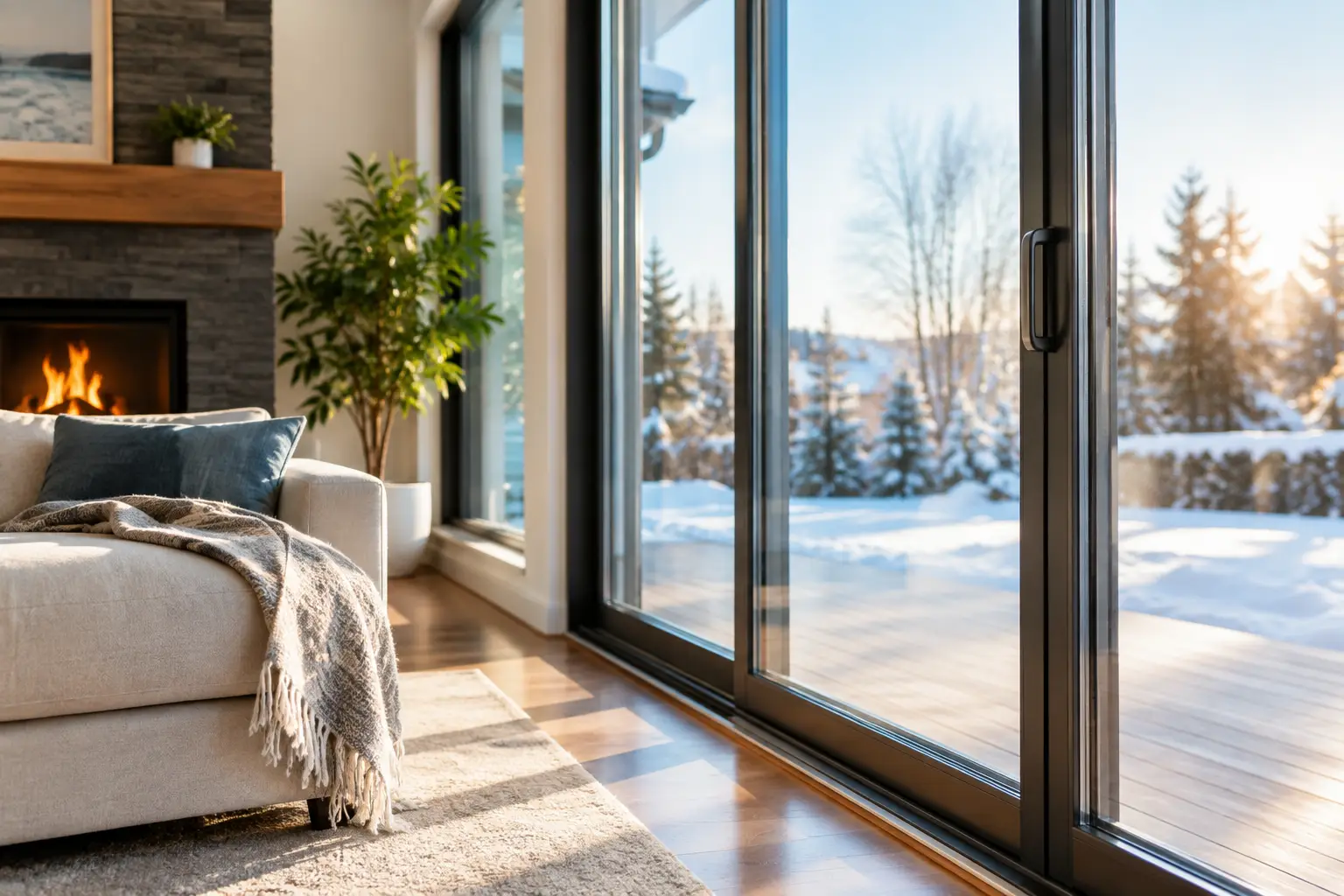
A cold spot beside the window, traffic noise in the front room or condensation that keeps returning can all point to the same part of the home: the glass. Choosing glass and glazing is not simply a matter of picking a window style. The right specification can make rooms feel warmer, quieter and more secure, while helping a property look well cared for from the street.
For homeowners in Doncaster and across South Yorkshire, a replacement project is a chance to solve practical problems without compromising on character. Whether you live in a newer home, a Victorian terrace or a period property, the best choice depends on how you use each room, the condition of the existing frames and the result you want to achieve.
What glass and glazing really mean
Glass is the pane itself. Glazing describes how that glass is fitted and built into a window or door system, including the sealed unit, spacers, seals and frame. These parts work together. A high-performing pane fitted poorly will not deliver the comfort, security or lifespan you expect.
Most modern replacement windows use double glazing, made from two panes separated by a sealed gap. That gap is usually filled with an insulating gas, helping to reduce heat loss. Triple glazing adds a third pane and another gap. It can improve insulation further, but it also makes the unit heavier and can alter the appearance of slimmer frames.
The best option is not always the one with the most panes. A well-specified double-glazed unit in a quality uPVC, aluminium or timber frame can be an excellent choice for many homes. The wider window design, installation standard and ventilation requirements all deserve equal attention.
Start with the problem you want to solve
Homeowners often start by choosing a colour or opening style. Those details matter, but it is more useful to first identify what is not working in the current window or door.
If rooms feel chilly, look at the overall energy performance of the proposed unit rather than the glass alone. Low-emissivity glass, often called low-E glass, has a fine coating that reflects warmth back into the room while allowing natural light through. Combined with warm-edge spacer bars and carefully fitted frames, it can help reduce heat loss and make the area near the window more comfortable.
If the issue is noise from a busy road, school run or neighbouring activity, acoustic glazing may help. Different pane thicknesses can disrupt sound more effectively than two identical panes. However, sound reduction depends on the whole installation. Gaps around a frame, trickle vents and even the construction of surrounding walls can affect the result, so honest advice should consider the room as a whole.
For overlooked rooms or ground-floor windows, privacy glass may be worth considering. Obscure patterns are commonly used in bathrooms, while more subtle options can provide privacy without making a room feel closed in. Think about daylight as well as privacy, particularly on smaller elevations.
Energy efficiency is more than the rating
Window energy ratings are helpful, but they should start a conversation rather than finish it. The rating reflects the performance of the complete window, including the frame and glass. It does not automatically tell you how the product will suit every room in your home.
South-facing rooms can benefit from generous daylight and solar warmth, but they may also become too warm in summer. Specialised solar-control glass can reduce the amount of heat passing through while still admitting light. This can be particularly useful for large glazed areas, patio doors and bi-fold doors, where the amount of glass is far greater than in a standard window.
North-facing rooms may have different priorities. Here, maximising insulation and preventing draughts may matter more than controlling solar gain. The right recommendation takes account of the direction the property faces, the size of each opening and how comfortably the room performs throughout the year.
Ventilation also needs careful thought. A more airtight home retains heat better, but it still needs a controlled route for fresh air. Trickle vents, opening sashes and suitable room ventilation all have a part to play in managing moisture and reducing the risk of condensation.
Security glass and secure fitting go together
Glass is a key part of home security, especially in doors, sidelights and accessible ground-floor windows. Toughened safety glass is designed to break into small, less dangerous pieces if damaged. Laminated glass holds together with an interlayer when broken, making it harder to force through and offering an additional level of security.
These choices are especially relevant for entrance doors, French doors, patio doors and large glazed panels. Yet security should never rest on the pane alone. Strong frames, quality hinges, secure locking systems and professional installation are just as important. A door can have excellent glass but still fall short if the lock, keep or fitting is poor.
For peace of mind, ask how the complete window or door has been designed to resist forced entry. A clear answer should cover the glass, locking points, hardware and frame construction, not just one feature on a brochure.
Choosing the right look for your property
Modern glass can suit almost any home, but the frame and glazing-bar design will strongly influence the finished appearance. Flush sash windows can create a neat, timber-like look with the lower maintenance benefits of modern materials. Sliding sash windows work well where traditional proportions matter, while casement windows remain a versatile choice for many properties.
Heritage-style glazing can provide the character of smaller panes without the drawbacks of older single-glazed windows. The key is proportion. Glazing bars should suit the size of the opening and the age of the house. Overly heavy bars can reduce light and make a window look crowded, while very slim, poorly matched details can feel out of place on a period property.
For larger openings, aluminium doors and windows are valued for their slender sightlines and contemporary finish. Timber brings natural warmth and can be particularly fitting for traditional homes, but it needs appropriate care over time. uPVC offers strong insulation, low maintenance and a wide range of finishes. There is no single best material, only the material that best matches the property, budget and level of upkeep you are happy to take on.
Why installation quality matters so much
Even the best glass and glazing products can disappoint if they are measured, fitted or sealed badly. Poor installation can lead to draughts, water ingress, difficult operation and reduced thermal performance. It may also spoil the clean lines that made you choose the product in the first place.
A proper survey should check the condition of the existing openings, reveal any issues around lintels or brickwork, and establish how replacement frames will sit within the property. This is particularly important in older homes, where openings are not always perfectly square and hidden repairs can be needed.
Ask who will carry out the installation, how the work area will be protected and what happens if an unexpected issue is found. A local, experienced installer should be straightforward about the process. You should know what is included, what may need further attention and when your home will be secure at the end of each working day.
Questions worth asking before you choose
Before approving a quotation, make sure the specification is clear. You should know whether the proposal includes double or triple glazing, the type of safety glass used where required, the expected energy performance and the hardware finish. It is also sensible to ask about guarantees, aftercare and how old frames and glass will be removed from site.
Do not be afraid to compare like for like. Two quotations may both describe a white casement window, but the glass specification, reinforcement, locking hardware, installation detail and finish can be very different. The lowest initial figure is not always the best value if it leaves you with compromises you will notice every day.
At JF Bodman Ltd, the focus is on helping homeowners make those decisions with clear, practical advice. A free, no-obligation quotation should give you the confidence to understand your options, not pressure you into a quick choice.
A well-chosen window or door does its job quietly. It keeps the weather where it belongs, lets in the right amount of light, feels secure when locked and suits the home for years to come. Take the time to look beyond the pane, and you will be far more likely to choose glazing that genuinely improves how your home feels.