
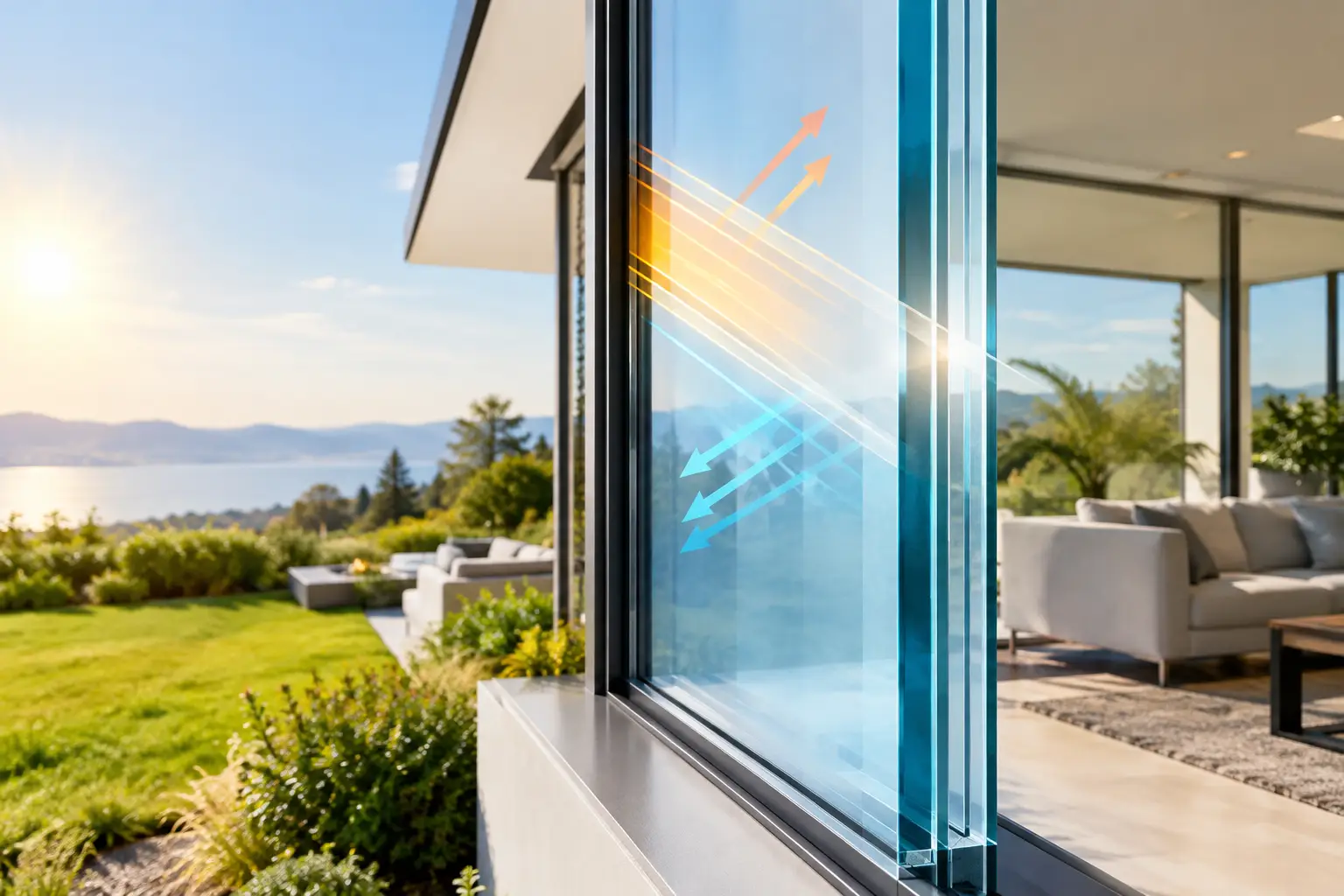
A window should do far more than fill an opening in the wall. It should keep a Doncaster home comfortable through a cold January morning, help manage summer sun, resist unwanted entry and suit the character of the property. Future glazing technology is moving that expectation forward, with smarter glass, better insulation and more considered window design.
Some of these improvements are already available. Others are still developing and may become more practical as costs come down. The sensible approach is not to chase every new feature. It is to choose technology that gives a genuine benefit for your home, budget and plans for the years ahead.
Future glazing technology starts with better insulation
For most homeowners, thermal performance remains the first priority. Glass is naturally less insulating than a solid wall, so modern sealed units work hard to reduce heat loss without making rooms feel dark or closed in.
Double glazing with low-emissivity, or low-E, glass is now a strong standard choice for many replacement window projects. A fine, transparent coating reflects heat back into the room while still allowing useful daylight through. Combined with insulated frames, warm-edge spacer bars and an argon-filled cavity, it can make a noticeable difference to cold spots, condensation and heating demand.
Triple glazing takes this further by adding another pane and cavity. It can deliver very low U-values and better noise reduction, which may appeal if you live near a busy road or want maximum warmth in a new extension. But it is not automatically the best answer for every house. Triple-glazed units are heavier, can cost more and may reduce solar gain slightly. The right frame, glass specification and installation matter as much as the number of panes.
One area to watch is vacuum insulated glazing. Rather than using a gas-filled cavity, it uses a very thin vacuum layer to slow heat transfer. This has the potential to offer high insulation in a slimmer unit, making it particularly interesting for period properties and heritage-style windows where chunky glazing can look out of place. At present, it is a specialist option rather than an everyday replacement choice, but it shows where the market is heading.
Smarter glass for changing light and heat
Large areas of glazing can transform a kitchen, garden room or open-plan extension. They can also create glare, overheating and rooms that feel uncomfortable by mid-afternoon. Future developments are increasingly focused on giving homeowners more control over solar heat and light.
Solar-control glass already helps reduce the amount of heat passing through glazing while maintaining a clear view outside. It can be a practical choice for south- or west-facing elevations, roof lanterns and bi-fold doors. The trade-off is that some solar-control coatings make the glass slightly more reflective or reduce the free warmth gained from winter sunshine. A good specification should be tailored to the orientation of the room, not selected from a one-size-fits-all list.
Electrochromic glass, often called smart glass, is another technology to follow. At the touch of a control, it can tint to reduce glare and solar gain, then return to a clearer state when more daylight is wanted. It is an attractive proposition for roof glazing and rooms with difficult sun exposure, where blinds can feel cumbersome.
It is still a premium product, and it needs suitable controls and electrical planning. For many homes, well-chosen solar-control glass, external shading or quality blinds will remain the more cost-effective route. Yet smart glass is likely to become more familiar as homeowners look for cleaner lines and automated comfort.
Privacy glass is evolving too. Switchable films and liquid-crystal glass can change from clear to opaque, offering on-demand privacy in bathrooms, home offices and internal doors. It is unlikely to replace traditional obscured glazing everywhere, but it may suit a carefully planned contemporary project.
Windows that support security and peace of mind
The most useful technology is often the kind you do not notice day to day. Modern glazing can combine toughened or laminated safety glass with secure frames, multi-point locking and strong hardware to create a more reassuring barrier around the home.
Laminated glass holds together when broken, making forced entry more difficult and reducing the risk of dangerous shards. Toughened glass is designed to break into small, blunt pieces if it fails, which is why it is commonly used in doors, low-level glazing and larger glazed areas. The correct safety glass is not an optional extra in every location – it is often essential.
Looking ahead, integrated sensors could become more commonplace. These can detect whether a window is open, communicate with a home alarm or provide an alert if unusual movement is detected. Some systems are already available, particularly within wider smart-home set-ups. Their value depends on how likely you are to use them. A reliable lock, a properly fitted window and sensible everyday habits will always remain the foundation of home security.
There is also growing interest in glazing that supports emergency ventilation, automatic locking schedules and remote monitoring. These functions can be helpful for busy households or second properties, but homeowners should ask straightforward questions about battery life, app support, data privacy and what happens if the system loses connection. Technology should simplify ownership, not create another source of worry.
A clearer view of noise, comfort and wellbeing
Future glazing is not only about keeping heat in. It is also about making homes calmer and more pleasant to live in. Acoustic glazing uses panes of different thicknesses, wider cavities or specialist laminated interlayers to disrupt sound waves. It can reduce traffic noise, nearby rail noise and general street disturbance, although no window can remove every sound.
For the best result, the whole installation must be considered. Air gaps around a frame, poorly sealed trickle vents or an older door nearby can limit the benefit of upgraded glass. This is where experienced measuring and fitting make a real difference.
Daylight is another important part of the picture. Natural light can make a room feel larger and more welcoming, but too much direct sun can fade furnishings and make screens hard to use. The future is likely to bring more glass specifications that balance daylight transmission, heat control and UV protection with greater precision. For homeowners, that means a better chance of enjoying bright spaces without the familiar problem of rooms becoming too hot or too cold.
Why the frame and installation still matter
It is easy to focus on the glass itself, yet even the most advanced sealed unit will not perform properly in an unsuitable or badly fitted frame. uPVC, aluminium and timber each have a place, depending on the property, desired appearance, maintenance preference and budget.
uPVC offers strong thermal performance and straightforward maintenance. Aluminium allows slim sightlines and is well suited to large panes, sliding doors and contemporary designs. Timber brings natural character, particularly to traditional homes, and modern engineered timber can offer excellent stability when properly maintained. Composite systems can also bring together the advantages of different materials.
The future of glazing will include better recycled content, lower-carbon manufacturing and components designed to last longer or be easier to recover at the end of their life. That is welcome progress, but durability should come first. Replacing windows prematurely because of poor specification or poor fitting is rarely the sustainable choice.
A professional survey is equally important. It checks the condition of openings, drainage, ventilation requirements, structural needs and the practical details that affect the finished result. A well-specified window is only as good as its installation.
Choosing what is worth investing in now
When considering new windows or doors, start with the problem you want to solve. If the house feels cold, focus on overall thermal performance and airtight fitting. If a sunny extension overheats, look at orientation, solar-control glass and ventilation. If roadside noise is the issue, ask about acoustic glass and the full window system rather than glass alone.
It also helps to think ahead. A homeowner planning a larger renovation may wish to choose frames or doors that can later work with smart controls, while a period property may benefit more from slim, sympathetic glazing than the newest electronic feature. Honest advice should make those choices clearer, not push the most expensive option.
At JF Bodman, the aim is always to match quality windows and doors to the home in front of us. The best future-proofed solution is usually one that performs properly now, looks right for the property and gives your family confidence every time you close the door or draw the curtains.