
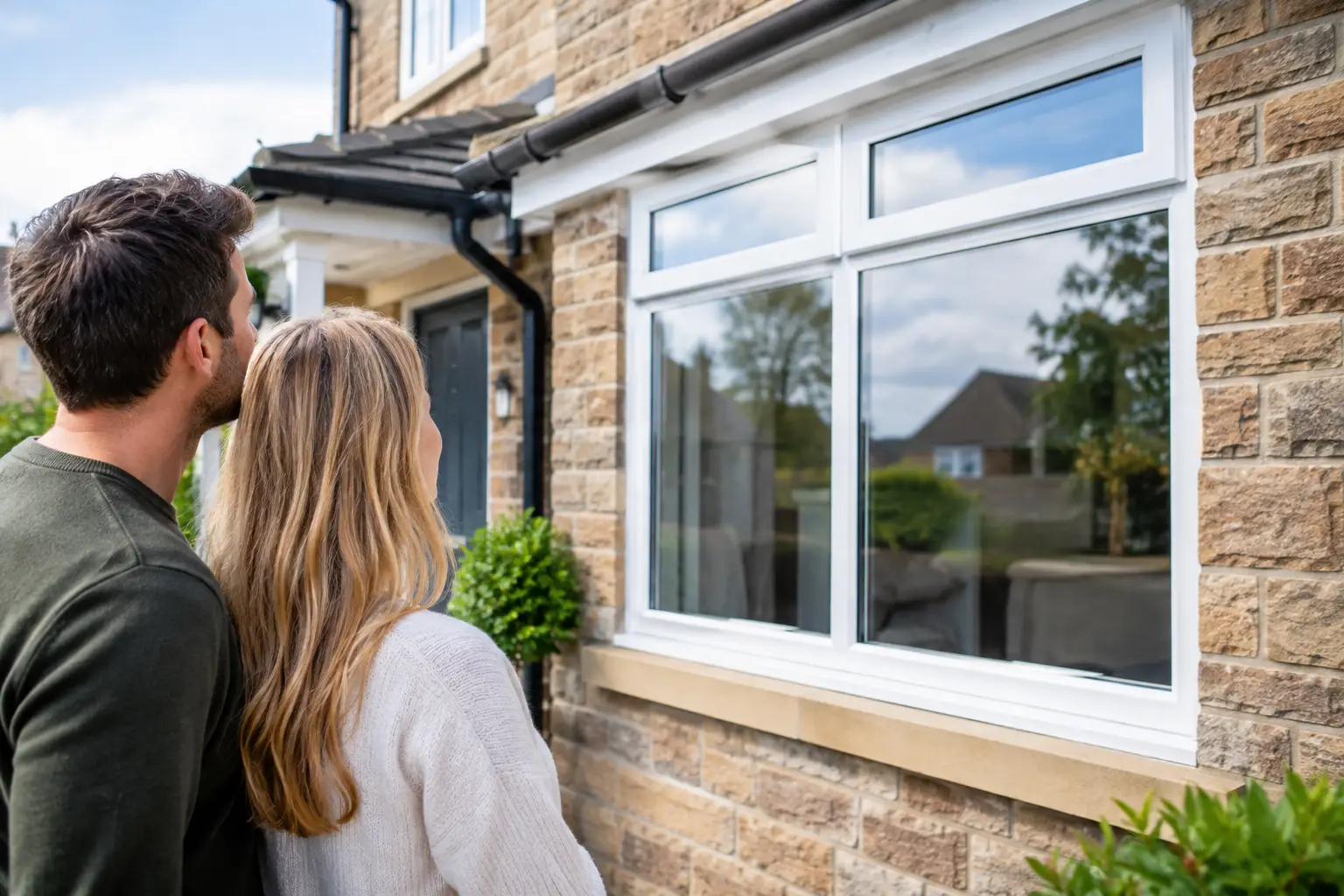
A cold draught by the sofa, condensation gathering on the glass and a front elevation that has started to look tired can all make a home feel less appealing. So, do new windows add value? In many cases, yes – but the value is not just measured by what a surveyor might write on paper. Well-chosen, professionally fitted replacement windows can improve the way your home looks, feels and performs every day.
For homeowners in Doncaster and across South Yorkshire, windows are a practical investment. They help manage heat loss during a chilly winter, make rooms more comfortable, strengthen security and give a property a smarter finish from the street. The best results come from selecting the right style and material for the house, rather than simply choosing the lowest initial price.
Do new windows add value when you sell?
Replacement windows can make a property more attractive to prospective buyers, particularly when the existing frames are visibly dated, difficult to operate or in poor condition. Buyers often notice windows before they step through the front door. Peeling timber, misted double glazing and bulky old frames can suggest that other maintenance jobs may be waiting.
New windows create a different impression. Clean sightlines, a style that suits the property and a consistent finish can lift kerb appeal straight away. This matters whether you own a Victorian terrace, a 1930s semi or a newer family home. A house that looks cared for usually feels easier to buy.
There is no fixed figure that applies to every property. Sale value depends on location, local demand, the overall condition of the home and the quality of the installation. If a kitchen, roof or heating system needs major work, replacement windows alone will not transform the asking price. However, they can remove a clear objection for buyers and support a stronger overall presentation.
They may also help your home compete with similar properties. When two houses have a comparable layout and postcode, the one with modern, secure and energy-efficient glazing can feel like the more straightforward choice.
Value is more than a future sale price
Many homeowners replace windows because they intend to stay put. In that situation, the day-to-day benefits are often the most valuable part of the decision.
Modern double glazing, quality seals and properly fitted frames can reduce draughts and help retain warmth. That can make bedrooms less chilly in the morning and living spaces more comfortable without constantly adjusting the thermostat. Energy bills will still depend on how you heat your home, its insulation and how you use it, but inefficient windows should not be ignored as part of the wider picture.
New windows can also improve the feel of a room. Better glazing can reduce outside noise from busy roads, school runs or neighbours. Slimmer aluminium frames may bring a more contemporary look and maximise glass area, while modern uPVC offers excellent performance with straightforward maintenance. Timber remains a popular choice where natural character and traditional detailing are especially important.
Security is another clear benefit. Older windows may have worn handles, weak locking points or frames that no longer close properly. Current products can include multi-point locking, internal beading, toughened glass where required and dependable hardware. Peace of mind has real value, even though it is not something that appears as a line on an estate agent’s valuation.
The right window style protects the value of your home
A replacement window should look as though it belongs on the property. This is where homeowners can gain value or lose it. A good-quality product in an unsuitable style may still look out of place.
For period homes, flush sash windows, sliding sash designs and heritage-style options can preserve the proportions and character that made the property appealing in the first place. Residence 9 windows can be a strong option for homeowners seeking a traditional appearance with modern performance. Details such as glazing bars, frame colour and hardware finish deserve proper consideration, as they have a noticeable effect on the finished look.
Casement windows remain a versatile choice for many South Yorkshire homes. They offer a familiar appearance, practical ventilation and a broad range of configurations. Tilt-and-turn windows can work well where easy cleaning and flexible ventilation are priorities, particularly on upper floors.
Material matters too. uPVC is cost-effective, low-maintenance and available in far more finishes than many people expect. Aluminium is strong, sleek and well suited to larger openings or contemporary designs. Timber has warmth and authenticity, but requires a greater commitment to maintenance. Honest advice should weigh up the look you want, how long you expect to stay in the property and what upkeep you are happy to take on.
Energy efficiency can make a stronger case
Windows are only one part of a home’s thermal performance, alongside loft insulation, walls, doors and heating. Even so, old single glazing or failed double-glazed units can be a significant weak point. If rooms feel cold near the glass or you regularly see condensation between panes, it is worth investigating.
High-performance replacement windows can help reduce heat escaping through the glazing and frames. Low-emissivity glass, insulated frame chambers, quality spacers and good installation all contribute. The difference is not merely technical. It can mean fewer cold spots, less internal condensation and a more even temperature throughout the room.
Be wary of promises that suggest windows will solve every energy issue or pay for themselves immediately. The savings vary from home to home. A reputable installer will look at the condition of your existing windows, discuss practical options and explain the likely benefits without overstating them.
Installation quality has a direct effect on value
Even an excellent window can disappoint if it is installed poorly. Gaps around the frame, rushed finishing or incorrect fitting can lead to draughts, water ingress and an untidy appearance. Those problems can quickly undermine the benefits you expected.
Professional fitting is therefore part of the investment, not an optional extra. The installer should assess the opening properly, recommend an appropriate product, fit it securely and leave neat internal and external finishes. You should also receive clear information about guarantees, care and operation.
A local, established company has an added reason to get the work right: its reputation is built on homes in the area. JF Bodman has worked with homeowners since 1974, offering straightforward guidance across uPVC, aluminium and timber window options. A no-obligation quotation gives you the chance to compare styles, performance and costs before committing.
When replacement windows may not add much value
It is worth being realistic. If your current windows are relatively new, in good condition and already energy efficient, replacing them again may bring limited financial return. In that case, repairs, new hardware or improved draught sealing could be more sensible.
Likewise, overspending compared with the value and character of the property can narrow the return if you are planning to sell soon. Premium aluminium or specialist heritage products can be an excellent choice, but they should suit the home and your priorities. The aim is quality worth the difference, not paying for features you will never use.
Planning considerations may also apply, particularly for listed buildings or homes in conservation areas. The right solution may need to respect existing architectural details. This is another reason to seek advice before ordering.
How to make your window investment count
Start by looking at the problems you want to solve. Is the main issue heat loss, noise, security, appearance, difficult opening or all of the above? That helps narrow the choice and keeps the conversation focused on your home rather than a one-size-fits-all product.
Ask to see frame samples and finished examples where possible. Consider the windows alongside your front door, brickwork, render and roofline. Anthracite grey may suit a contemporary extension, while a softer heritage finish could better complement an older property. Also think about how windows open, where you need ventilation and how easily they can be cleaned.
Finally, compare quotations on more than the headline price. Check the glass specification, locking system, frame style, fitting standard, finishing work and guarantee. A cheaper quote can become poor value if important details have been left out.
New windows are most rewarding when they make your home warmer, safer and more enjoyable now, while helping it look ready for whatever comes next. Take the time to choose a style and installer you trust, and the improvement will speak for itself every time you arrive home.