
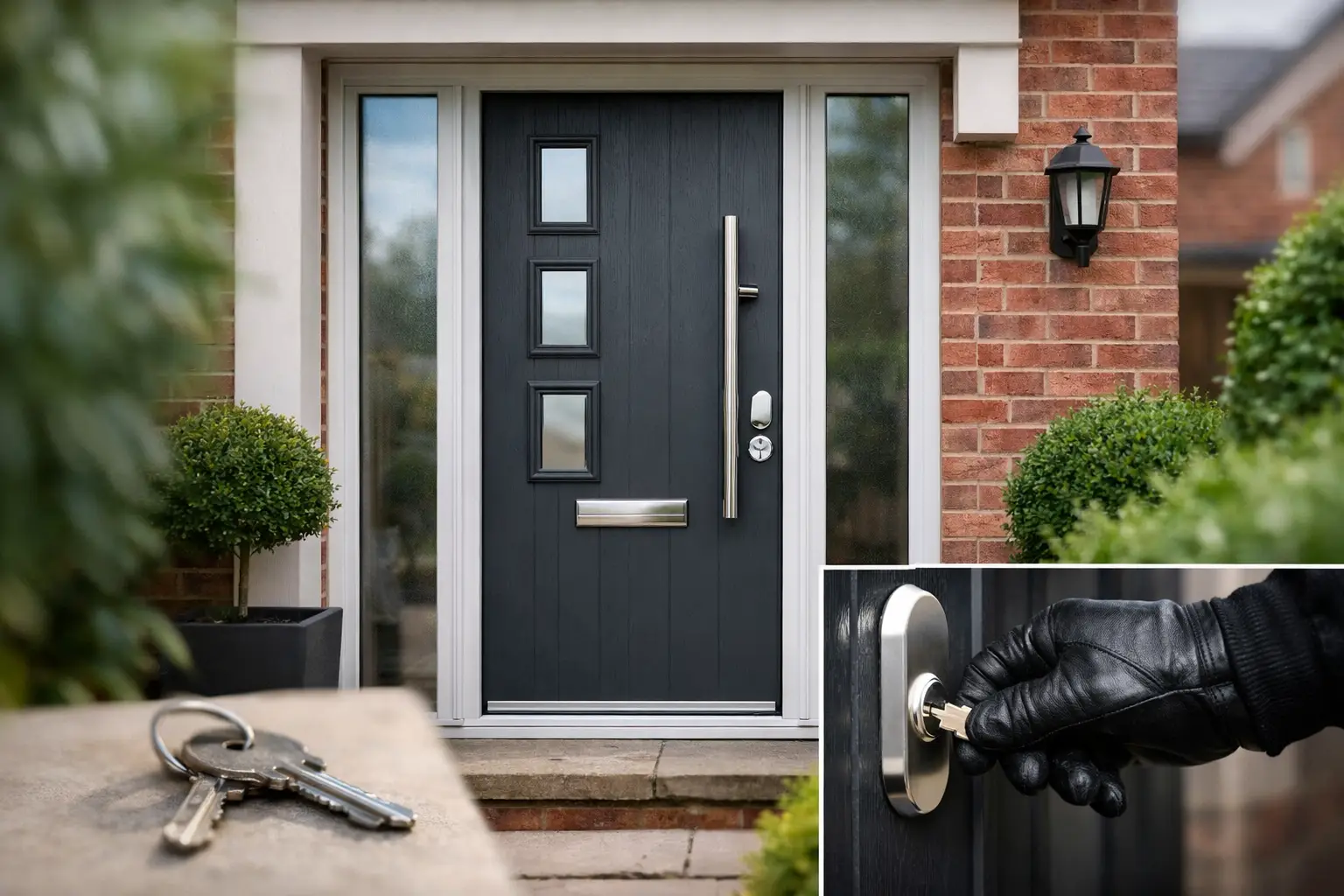
A front door has a hard job to do. It needs to welcome guests, stand up to wet and windy South Yorkshire weather, help keep heat where it belongs and provide real reassurance when the house is empty. That is why composite doors Doncaster homeowners choose are often about far more than a change of colour. They are a practical investment in comfort, security and the appearance of the whole property.
For many homes, replacing a tired entrance door can make an immediate difference. The right design can suit a traditional terrace, a 1930s semi, a modern detached home or a rural property, while giving you a stronger, warmer and more dependable entrance.
Why composite doors are a popular choice in Doncaster
A composite door is made from several materials chosen for different strengths. Although specifications vary between manufacturers, the door typically combines a solid insulated core with a durable outer skin and reinforced sections where they matter most. The result is a substantial door that looks smart, feels secure and is designed for everyday use.
Unlike older timber doors, composite doors do not generally need regular sanding, painting or varnishing. They are also less prone to swelling or warping when the weather turns. A wipe with warm, soapy water is usually enough to keep the surface looking fresh, while hinges, locks and seals can be checked as part of sensible routine maintenance.
That low-maintenance appeal is only part of the picture. A well-chosen composite door also gives a home a more solid feel. Closing it should feel reassuringly firm, not rattly or flimsy. When fitted properly, it creates a neat seal around the frame that helps reduce draughts and outside noise.
Composite doors Doncaster homes can make their own
There is no single right look for a front door. The best choice depends on the character of your property, the amount of natural light you want in the hallway and how much you want the entrance to stand out.
For a period home, a traditional panelled door in a deep heritage shade can sit comfortably alongside original brickwork, bay windows and decorative glazing. Woodgrain finishes offer the appearance of timber without the same level of upkeep. For newer properties, a clean-lined design in anthracite grey, black or a softer contemporary colour can create a sharper, more modern entrance.
Glazing changes the balance too. Clear glass can brighten a dark hall, while obscured or patterned options maintain privacy. Decorative glazed panels, sidelights and fanlights can add character and let in more daylight, but they need to be proportioned carefully. A wide glazed section may be perfect for a sheltered, private approach, whereas a more solid design can feel better suited to a door opening directly onto the street.
Hardware is not an afterthought. Letterplates, knockers, handles and numerals should work together in both finish and scale. Chrome can give a crisp, familiar look, while black, antique or brushed finishes can bring more personality. It is worth considering the practical details as well, including whether the handle is comfortable to use and where the letterplate sits in relation to the internal hallway.
Let the house lead the design
A door should improve a property, not compete with it. Look at the window frames, brick colour, roof tiles and porch before settling on a finish. A bold door can be highly effective, but a quieter shade often has greater staying power if you are choosing with future saleability in mind.
Security is about the complete door set
Homeowners rightly ask about locks, but door security is not limited to one component. It relies on the door slab, frame, hinges, glazing, cylinder, keeps and fitting all working as a complete system.
Look for a high-quality multipoint locking arrangement, secure hinges and a cylinder designed to resist common methods of attack. Toughened safety glass should be used where appropriate, particularly in glazed areas, and the frame should be fixed securely to the opening. A strong door cannot perform as intended if it is poorly aligned or fitted into a weak or damaged frame.
Good installation also ensures that the lock engages cleanly without forcing the handle. This might sound like a small point, but it affects how the door works every day and can prevent unnecessary wear. Ask your installer what security features are included as standard, rather than assuming every option is identical.
Better comfort and lower heat loss
A cold, draughty hallway can affect the feel of the whole house. Composite doors are insulated and fitted with weather seals to help limit unwanted air movement around the entrance. This can make the area near the front door more comfortable, especially in homes where the hall opens straight into the living space.
Energy performance depends on the full installation, not just the door itself. The frame, threshold, glazing specification and quality of the seal all have a part to play. If your current door has gaps around the edges, cracked panels or a poor threshold, the improvement may be noticeable as soon as the weather changes.
It is sensible, though, to keep expectations realistic. A new door is one piece of the energy-efficiency picture. Older windows, uninsulated walls and loft insulation can all have a bigger bearing on overall heat loss. Even so, replacing an underperforming entrance door is a worthwhile step that improves comfort while also improving the way your home looks and feels.
Choosing the right door for your household
Before looking at colours and glass, think about how the entrance is used. A busy family home may need a finish that hides everyday marks well and hardware that stands up to constant use. A property with a dark hallway might benefit from carefully positioned glazing. If accessibility is a consideration, discuss threshold options, opening direction and handle height early in the process.
It also pays to measure the visual effect from both sides. Outside, the door needs to complement the property. Inside, it should suit the hall, flooring and level of light. A dark external finish can still be paired with a lighter internal face on some door ranges, which is useful where you want a strong kerb-facing colour without making the hallway feel enclosed.
Do not choose on a photograph alone. Viewing physical samples helps you judge texture, grain effect and colour in natural light. A shade that looks almost black on a screen may show blue, green or brown undertones outside. This matters on south-facing elevations, where strong sunlight can change how every finish appears.
Why professional fitting makes the difference
The best door can only be as good as its installation. A proper survey identifies whether the existing opening is square, whether the surrounding brickwork needs attention and which threshold or frame arrangement will work best. It also avoids unpleasant surprises on fitting day.
During installation, care should be taken to remove the old door cleanly, fit and secure the new frame accurately, align the door, seal the perimeter and test every function. The finish around the inside and outside of the opening matters just as much as the door itself. Neat trims, tidy sealant lines and a door that opens and locks properly are signs of a job done with care.
A local, established installer also gives you someone to speak to if you have a question after the work is complete. That accountability offers useful peace of mind with a purchase that should serve your home for many years.
Getting value rather than simply the lowest price
Composite door prices vary according to size, glazing, hardware, sidelights, security specification and the work needed around the opening. A very low quotation can be tempting, but compare like for like. Check what is included, how the door will be installed, what locks and glass are specified, and whether making good is part of the work.
The aim is not to buy the most expensive door available. It is to choose one that suits your home, performs properly and is fitted to a high standard. Honest advice should help you spend where it counts, rather than paying for features that do not add value to your particular property.
A well-planned entrance can make coming home feel better every day. For straightforward guidance on styles, security and fitting, JF Bodman Ltd can help Doncaster homeowners choose a composite door that feels right from the first turn of the key.