
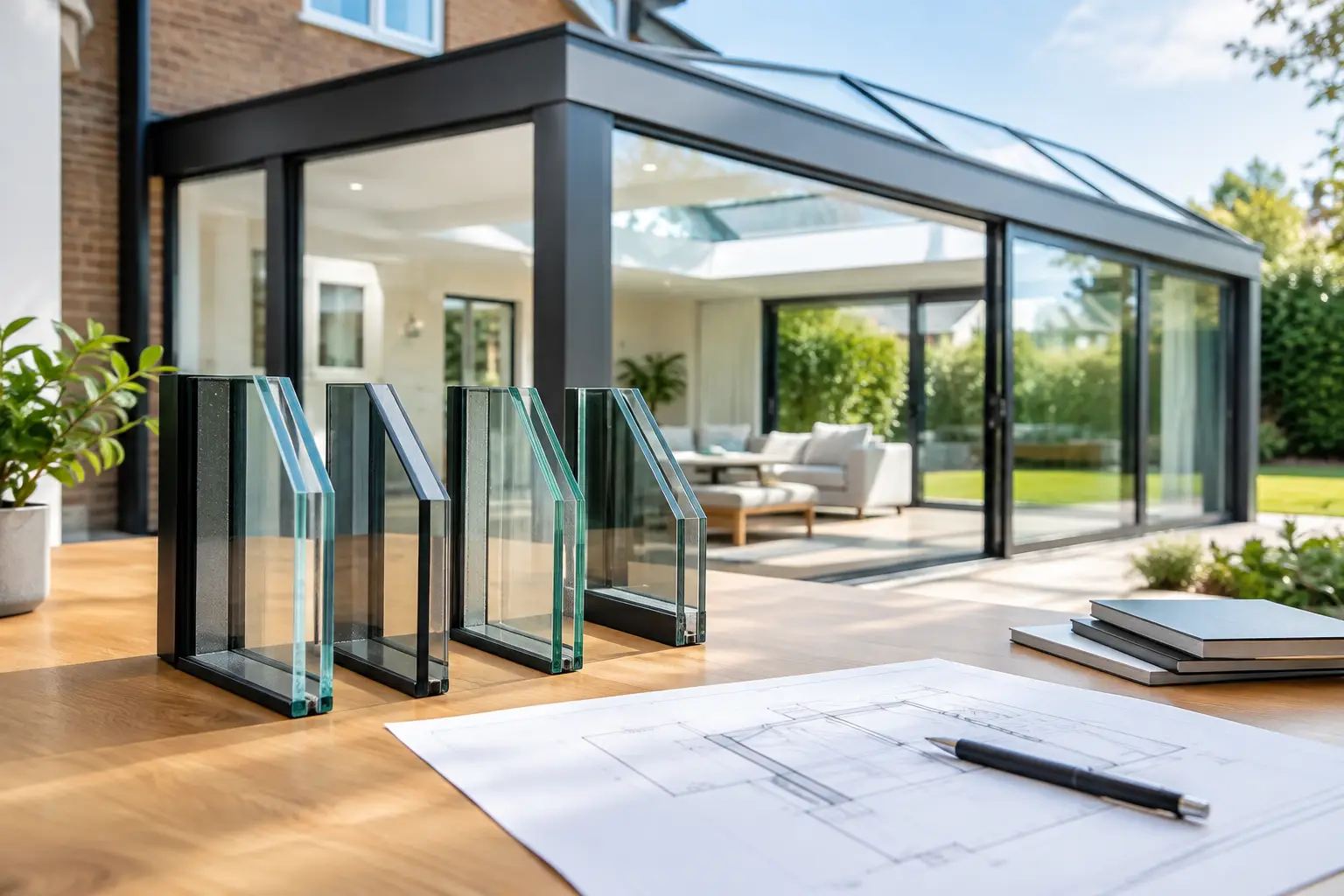
An extension should make your home feel bigger, brighter and more enjoyable to live in. Get the glazing wrong, however, and a promising new room can become too hot in summer, chilly beside the glass in winter, or difficult to furnish because every wall is glazed. Choosing the best glazing for extensions is about balancing daylight, warmth, privacy, security and the way your family will actually use the space.
For homes in Doncaster and across South Yorkshire, that balance matters. We see plenty of changeable weather, low winter sun and warm spells that can quickly build heat in a glass-heavy extension. The right combination of high-performance glass, well-designed frames and sensible opening sections makes a real difference every day.
Start with how the extension will be used
A kitchen-diner, garden room and home office may all have similar amounts of glazing, but they do not need the same specification. A kitchen with bi-fold doors is likely to generate extra heat from cooking and appliances. A south-facing sitting area needs protection from intense summer sun. An office may benefit from generous daylight but also needs to avoid glare across a screen.
Think about where you will sit, eat and place furniture before finalising the window and door layout. A full-height glazed wall can look impressive on a drawing, but a section of solid wall may give you somewhere for a radiator, sideboard or sofa. Equally, a large fixed picture window can frame the garden beautifully, while opening windows and doors can be positioned where ventilation is most useful.
Orientation is a major part of the decision. South- and west-facing extensions receive the strongest afternoon sun, so solar-control glass can be worthwhile. North-facing rooms gain softer, more consistent light but may benefit from a stronger focus on insulation. East-facing extensions catch morning sun and can work well with standard high-performance double glazing, depending on their design.
The best glazing for extensions balances heat and light
It is tempting to focus only on thermal performance. A low U-value is valuable, but it is not the only figure that matters. Good extension glazing should limit heat loss while still allowing useful natural light into the room. It should also control excessive solar gain where the orientation calls for it.
Most modern extensions use energy-efficient double glazing as a starting point. A sealed unit typically combines two panes of glass with an insulating gap between them, plus specialist coatings that help retain warmth. Quality double glazing can provide excellent comfort and is often the sensible choice for many extension windows and doors.
Triple glazing can offer further insulation and improved acoustic performance, particularly on a busy road or in a cooler, more exposed location. It is heavier, costs more and is not automatically the best option for every project. In some designs, a high-quality double-glazed unit with the right coating and warm-edge spacer can deliver the performance you need without compromising sightlines or placing unnecessary demands on the frames.
Ask about whole-window and whole-door performance, not just the centre of the glass. Frames, spacers, seals and installation all contribute to the final result. This is where experienced advice is worth having. A well-specified product needs equally careful fitting to perform as intended.
Solar-control glass for sunny elevations
If your extension faces south or west, solar-control glass deserves serious consideration. It is designed to reduce the amount of solar heat passing through the glazing while maintaining a bright room. The aim is not to make the space dark, but to take the edge off the greenhouse effect that can make a glazed room uncomfortable by mid-afternoon.
There is a trade-off. Glass that blocks more solar energy may reduce light transmission slightly, and some products have a subtle tint. The best choice depends on how much glazing you have, the roof design, shading from trees or neighbouring properties, and whether you are happy to use blinds during the hottest parts of the day.
Roof glazing needs particular care because the sun hits it more directly. A roof lantern or glazed roof can transform a darker extension, but it should be specified with heat control in mind. Opening roof vents, carefully positioned windows and external shading can all help where overheating is a concern.
Choose safety glass where it is required and where it makes sense
Extensions often contain large panes close to doors, floors and busy family spaces. Toughened or laminated safety glass is commonly required in critical locations under building regulations, such as low-level glazing and glass in or beside doors. Your installer and building professional can advise on the correct specification for your design.
Toughened glass is heat-treated so that, if broken, it fragments into small, blunt pieces. Laminated glass has an interlayer that holds the pane together if it breaks. Both have their place. Laminated glass can also improve security and reduce certain outside noises, making it a strong option for large fixed panes, accessible windows and doors opening onto the garden.
Safety should not feel like an add-on. It is part of making an extension fit for family life, especially where children, pets and regular garden access are involved.
Frame material changes the look and the view
The glass gets most of the attention, but the frame determines much of the character, durability and visible glass area. The best material is the one that suits your home, extension design and budget.
uPVC remains a practical, energy-efficient choice for many homeowners. It is low maintenance, available in a wide choice of finishes and works well for casement windows, French doors and patio doors. Modern options can provide a clean, tailored appearance that is far removed from older, bulky-looking systems.
Aluminium is particularly popular for contemporary extensions and wide glazed openings. Its strength allows slim sightlines, which means more glass and less frame around large sliding doors, bi-fold doors and picture windows. It is a premium choice, but its crisp appearance and long-term durability can be well worth it where the view and architectural detail are central to the project.
Timber brings warmth and natural character, making it a good match for period properties or extensions where a softer, more traditional finish is wanted. It does require more ongoing care than uPVC or aluminium, but a quality timber product can be a beautiful, lasting addition to the right home.
The important point is consistency. An extension does not have to copy every detail of the existing house, but its window style, frame colour and proportions should look considered. Anthracite grey aluminium might suit a modern rear extension, while a heritage-style finish may sit more comfortably beside an older brick property.
Plan ventilation before the build begins
Large doors are excellent for opening an extension to the garden, but they are not always practical in cooler weather or when it is raining. Include opening windows, trickle ventilation where appropriate, or roof vents so you can refresh the air without having to fully open the room.
Cross-ventilation is especially effective. If air can enter on one side of the extension and escape on another or through high-level roof glazing, warm air has somewhere to go. This can make a noticeable difference in a kitchen-diner or sun-facing garden room.
Consider how each opening will be used. Sliding patio doors save space and give a wide glass area, while bi-fold doors can open a whole corner or wall for summer entertaining. French doors offer a classic feel and a useful everyday route outside. For smaller extensions, a combination of fixed glazing and one well-placed opening can be more practical than filling every section with moving parts.
Do not overlook privacy, security and cleaning
A rear extension may feel private now, but sightlines can change if neighbours extend, gardens are altered or an upstairs window overlooks the area. Obscure glass, integrated blinds or carefully planned planting can provide privacy without losing all natural light. For roof glazing, consider what can be seen from neighbouring upper floors as well as what you can see out.
Security matters just as much on an extension as it does at the front of the house. Look for strong frames, quality locking systems, secure hinges and appropriately specified glazing. Doors should feel solid in use, close neatly and be fitted with care. Attractive glass areas should never mean compromising peace of mind.
Finally, be realistic about maintenance. Large panes and roof glazing need occasional cleaning, particularly beneath trees or near busy roads. Choose designs that can be safely accessed and avoid placing opening windows where they will be awkward to reach or clean.
A good extension glazing scheme does more than look impressive on completion day. It keeps the room comfortable through a South Yorkshire winter, gives you a welcome connection to the garden and works without fuss for years to come. Before choosing, take drawings, orientation and your wish list to a trusted local specialist. Honest advice at this stage can help you enjoy every square metre of the space you are creating.