
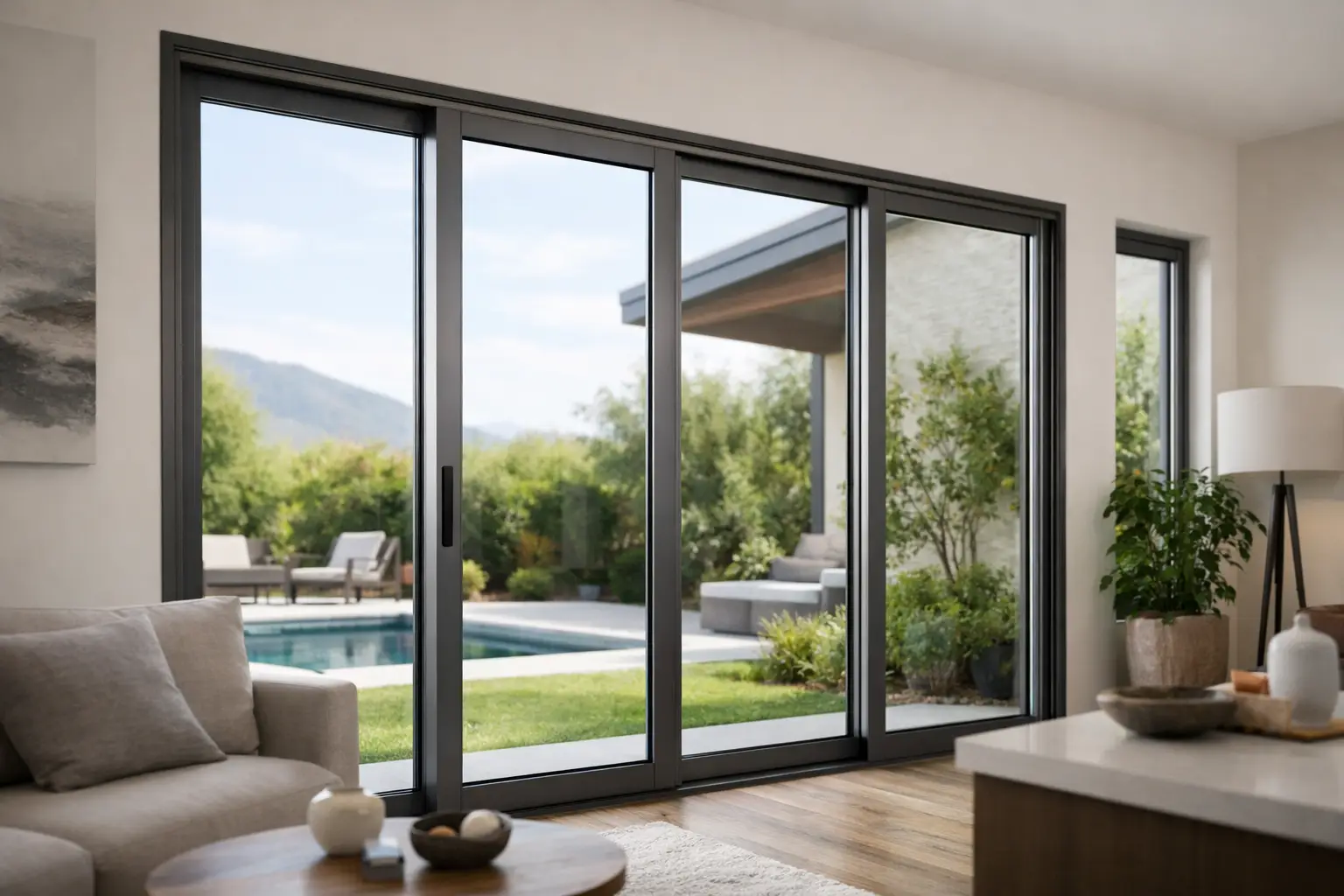
A window replacement can change far more than the view. In a South Yorkshire home, it can mean fewer draughts on a cold January morning, a quieter room beside a busy road and a smarter-looking frontage. Aluminium windows for homes are increasingly chosen for exactly those reasons, particularly where homeowners want generous glass areas and clean, modern lines without compromising on warmth or security.
They are not automatically the right choice for every property or every budget. But when the design, glass specification and installation are properly considered, aluminium can be an excellent long-term investment.
Why aluminium windows appeal to homeowners
Aluminium is a strong but relatively lightweight material. That strength allows the frame profiles to be slimmer than many alternatives, so less of the opening is taken up by frame and more is given to glass. It is a noticeable difference in rooms that overlook a garden, have wide openings or rely on natural light.
The look is another reason homeowners choose it. Anthracite grey, black and heritage-inspired colours work especially well with contemporary extensions, rendered properties and homes with large glazed doors. Yet aluminium is not limited to one style. Carefully selected profiles can look suitably refined on a traditional house too, especially when paired with sympathetic glazing bars and a softer finish.
Unlike timber, aluminium does not need regular painting or staining to protect it from the weather. A simple clean with warm, soapy water and a soft cloth is usually enough to keep frames looking their best. For busy households, that lower maintenance requirement has real value.
Are aluminium windows warm enough for a British home?
Older aluminium frames earned a reputation for feeling cold. Modern systems are very different. Quality aluminium windows use a thermal break – an insulating section built into the frame that reduces the transfer of heat between indoors and outdoors.
The frame is only one part of the overall result. Glass specification, seals, installation quality and the condition of the surrounding brickwork all affect comfort and energy performance. A well-specified double-glazed unit with low-emissivity glass, warm-edge spacer bars and argon gas can make a significant difference to heat loss. Triple glazing may be worth discussing for particularly exposed properties or where maximum acoustic performance is wanted, although it adds weight and cost and is not essential for every home.
Ask about the whole-window energy rating and U-value rather than relying on claims about the frame alone. A lower U-value indicates less heat escaping through the window. Honest advice should account for your property, the orientation of each elevation and the performance you are aiming for.
What you may notice after replacement
Better windows cannot solve every insulation issue in an older property, but they can make rooms feel more consistent. Cold spots around openings, rattling panes and draughts from worn seals are common complaints with ageing windows. Replacement aluminium windows can help address these issues while giving the property a more finished appearance.
If condensation is the concern, it is worth being realistic. New windows can reduce cold internal surfaces, but condensation is also linked to moisture in the home and limited ventilation. Background ventilation, extractor fans and everyday habits still matter.
Security should be built into the specification
A good-looking window needs to do its job when you are out, asleep or away on holiday. Modern aluminium systems can be specified with multi-point locking, secure hinges, internal glazing beads and toughened or laminated safety glass where appropriate.
Ground-floor windows, accessible side elevations and windows close to flat roofs deserve particular attention. The right security features depend on the opening type and location. A knowledgeable installer will explain what is fitted as standard, what can be upgraded and why it may be worthwhile, without making the conversation needlessly complicated.
Casement windows remain a popular choice because they are familiar, versatile and can provide excellent security and weather sealing. Tilt-and-turn windows offer a useful alternative in upstairs rooms and contemporary schemes, allowing secure ventilation through a tilted opening while keeping the main opening function for cleaning and escape where required.
Choosing the right aluminium window style
The best style is usually the one that suits the building rather than the latest showroom trend. A broad 1930s bay, for example, may call for a traditional casement arrangement with considered sightlines. A new rear extension may benefit from wider fixed panes that frame the garden and bring daylight deeper into the room.
Casement, fixed and tilt-and-turn windows
Casement aluminium windows suit most homes and are available in many configurations. They work well where practical opening ventilation is needed and can be designed around existing window layouts to preserve the character of the property.
Fixed windows do not open, but they can be an excellent choice where the priority is light and uninterrupted views. They are often combined with opening casements, giving a large glazed feature without losing everyday ventilation.
Tilt-and-turn windows have a more contemporary feel and are particularly useful where outside access for cleaning is restricted. Before choosing them, consider the inward opening space. Furniture, blinds and window boards need to accommodate the sash.
Colours and finishes matter more than you think
Dark aluminium frames make a strong architectural statement, but they are not the only option. White can give a crisp, lighter finish, while grey tones often sit comfortably alongside brick, stone and render. Some powder-coated finishes offer a textured appearance, which can soften the look and hide everyday marks better than a very smooth surface.
Think about the wider scheme: doors, gutters, fascias, brickwork and interior décor. Matching every element is not always necessary, but colours should look intentional together. It is also sensible to view a physical sample outdoors, as a colour can look quite different in changing Yorkshire light than it does on a screen.
The trade-offs: cost, sightlines and character
Aluminium windows are typically priced above standard uPVC options. That extra cost reflects the material, engineered profiles, coating process and often the more tailored nature of the finished product. If the budget is tight, uPVC may offer the stronger value proposition for a straightforward replacement project.
For homeowners who place high value on slim frames, colour choice, long-term appearance and larger glazed sections, aluminium can justify the additional outlay. The key is to compare like for like. A low initial quotation may omit glass upgrades, security hardware, trims, making good or disposal of old frames.
Character is another consideration. Aluminium can look outstanding on period homes when chosen carefully, but it may not be the most authentic material for every listed building or conservation area. Planning restrictions and conservation requirements can influence what is permitted. Check this before committing to a design, particularly if you are changing the appearance of a prominent elevation.
Installation is as important as the window itself
Even a premium window will disappoint if it is measured poorly or fitted carelessly. Precise surveying helps the new frames sit correctly within the opening, while careful finishing around reveals, sills and trims protects both appearance and weather resistance.
Before appointing an installer, ask who will survey the property, whether installation is carried out by an experienced in-house team or subcontracted, and what is included in the quotation. You should also understand the guarantee, how old windows will be removed and how any internal or external making good will be handled.
For homes in Doncaster and the surrounding area, JF Bodman brings the value of an established family-run service to that process. Clear advice at the start and high-standard fitting at the end give homeowners the confidence to make a considered choice rather than a rushed one.
Questions worth asking before you decide
A useful consultation should leave you clearer, not overwhelmed. Ask to see the proposed profile and colour sample, and ask how the glass specification will perform in your particular rooms. Discuss ventilation needs, security for accessible windows and whether the sightlines will suit the style of your home.
It is also worth confirming the expected lead time, the installation schedule and what happens if hidden issues are uncovered once the old frames are removed. Older properties can reveal damaged lintels, tired masonry or plasterwork that needs attention. A straightforward conversation before work begins prevents surprises later.
Aluminium windows are a considered purchase, not an off-the-shelf swap. Take the time to look at real installations, compare specifications rather than headline prices, and choose a team prepared to explain the details in plain English. The right windows should feel like a natural part of your home for many years to come.