A new window can change how a room feels before you have even chosen the curtains. The frame affects the view, the amount of natural light, how warm the room stays and how much care the window will need over the years. For homeowners weighing up aluminium or timber window frames, the right answer is rarely about which material is simply best. It is about what suits your property, priorities and budget.
Both can deliver excellent security, energy efficiency and lasting kerb appeal when they are properly specified and professionally fitted. The differences lie in character, upkeep, sightlines and the way each material works with your home.
Aluminium or timber window frames: the key difference
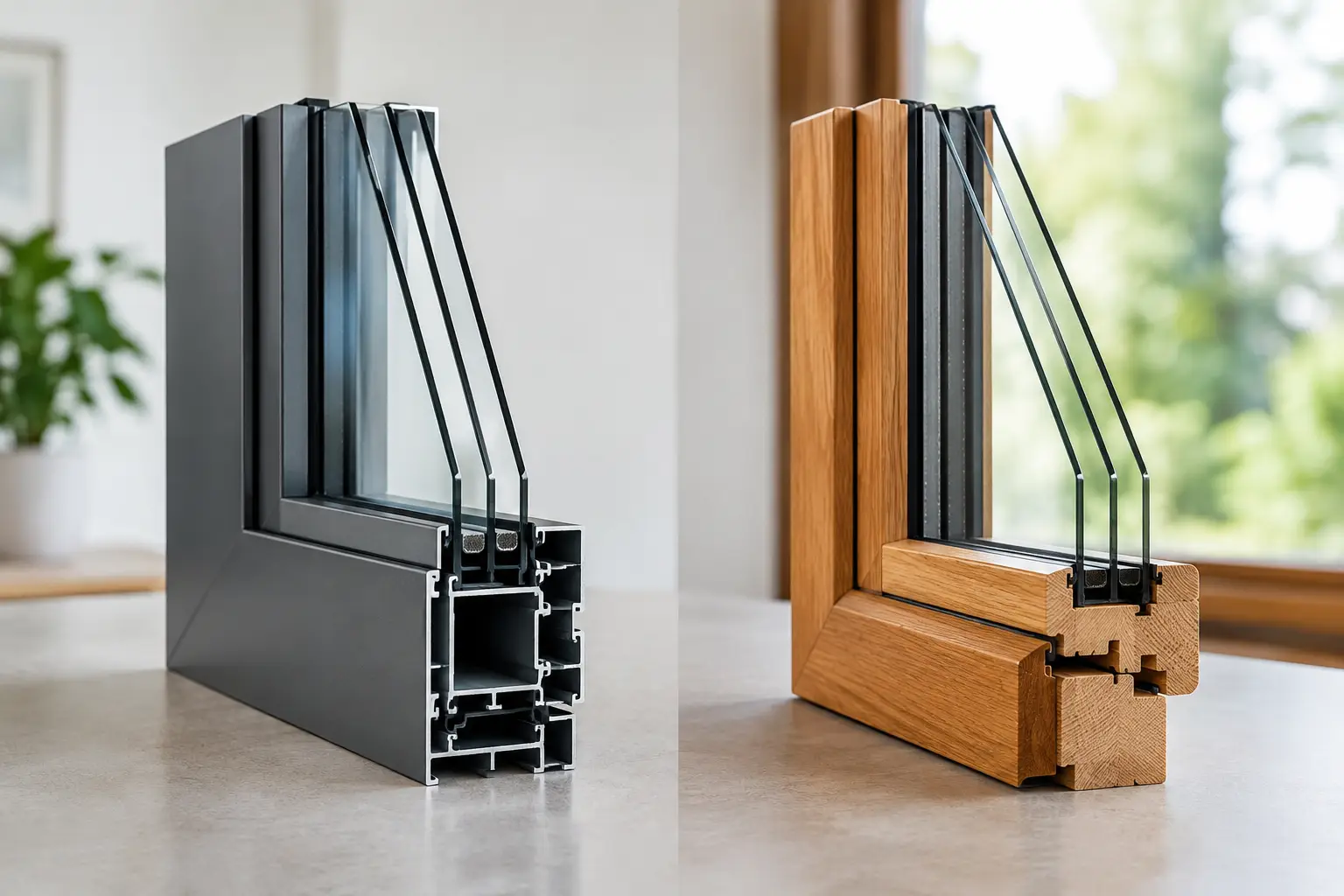
Timber has a natural warmth that is difficult to copy. Its grain, depth of finish and traditional proportions make it a particularly strong choice for period homes, cottages, character properties and conservation-led projects. A well-made timber window feels considered and substantial, whether it is painted in a classic heritage colour or finished to show the wood beneath.
Aluminium offers a more contemporary look. It is strong, slim and highly versatile, allowing for narrower frames and larger areas of glass. This makes it especially appealing in modern extensions, properties with wide openings and rooms where uninterrupted views or brighter interiors are the aim.
Neither material has to be limited to one style. Aluminium is available in understated colours and traditional layouts, while timber can be shaped into clean, simple designs. Still, the architectural style of your home usually gives a useful starting point.
Style and kerb appeal
If your property has original timber sash or casement windows, replacing them with quality timber frames can preserve the proportions and visual character that made the house appealing in the first place. This matters on Victorian, Edwardian and rural properties, where a chunky or overly modern frame can look out of place.
Timber also offers real flexibility in colour. Painted finishes can be refreshed in the future if your tastes change, while stained finishes bring out the material’s natural detail. There is something reassuringly authentic about real wood on a traditional home.
Aluminium comes into its own where clean lines matter. Because it is so strong, it can support generous panes of glass with comparatively slim sightlines. In a kitchen extension, garden room or contemporary renovation, that can mean more daylight and a stronger connection to the garden.
The powder-coated finish on aluminium frames is available in a wide choice of colours, from subtle greys and blacks to softer heritage shades. It is a factory-applied finish designed to stay smart with minimal attention, making it attractive for busy households.
Think about the whole elevation
Windows should work with your brickwork, render, roofline, doors and interior style. A black aluminium frame may look striking on a modern rendered extension but feel too severe on a stone cottage. Equally, timber may be the natural fit for a front elevation, while aluminium is the practical choice for a large rear opening. Mixing materials can work well when it is led by the architecture rather than a passing trend.
Energy efficiency and comfort
A common concern is whether aluminium feels colder than timber. Older aluminium windows could perform poorly, but modern systems use thermal breaks within the frame. These insulated sections reduce the transfer of heat through the metal, helping high-quality aluminium windows achieve strong energy performance.
Timber is naturally insulating, which remains one of its core advantages. Combined with efficient double or triple glazing, draught-resistant seals and the right glass specification, timber windows can keep rooms comfortable and reduce heat loss.
Frame material is only part of the picture. The glazing, sealed units, ventilation, window design and standard of installation all affect real-world performance. A good window fitted badly can still let in draughts or cause problems around the reveal. For that reason, compare whole-window performance rather than choosing on frame material alone.
For homes near busy Doncaster roads or regular rail routes, acoustic glass may also be worth discussing. Both aluminium and timber frames can accommodate glass options designed to help reduce outside noise.
Maintenance: how much time do you want to spend?
This is often the deciding factor. Aluminium is low maintenance. Routine cleaning with mild soapy water and an occasional check of moving parts and drainage channels will usually keep it performing as it should. The powder-coated surface does not need regular painting.
Timber asks for more involvement, although modern engineered timber is far more stable and durable than the timber windows many homeowners remember from decades ago. Factory-applied paints and stains provide valuable protection, but coatings should be inspected and maintained in line with the manufacturer’s guidance. South-facing and exposed elevations may need attention sooner than sheltered windows.
That maintenance is not necessarily a drawback. Some owners value the ability to repaint timber rather than replace it when a finish becomes tired. But it is important to be honest about the commitment. If you want a frame that looks after itself while you get on with family life, aluminium is often the easier choice.
Strength, security and everyday use
Both materials can provide excellent security when fitted with quality locking systems, toughened glass where appropriate and professionally installed hardware. A window is only as secure as the complete system, so ask about locking points, hinge protection, handles and the glass specification rather than relying on the frame material alone.
Aluminium’s strength is particularly useful for large windows and wide configurations. It resists warping and does not swell or contract in the way natural timber can, helping doors and opening lights operate consistently through changing weather.
Timber is also strong and dependable when it is well manufactured and looked after. It can be repaired in many cases, which is a real benefit for homeowners who take a long-term view of their property. Minor damage to aluminium finishes can be more difficult to blend in neatly, though a good-quality coating is highly resistant to everyday wear.
Cost and long-term value
There is no single price answer because window size, glazing, style, hardware and installation access all matter. As a broad guide, premium timber and thermally broken aluminium windows both sit above many standard uPVC options. Large aluminium glazed areas can add to the cost, while bespoke timber detailing, specialist finishes and heritage requirements can do the same.
The better question is what value means to you. Aluminium may justify its price through low upkeep, slim frames and a long-lasting finish. Timber can justify its investment through authenticity, repairability and a finish that complements a character property beautifully.
Avoid comparing quotations on appearance alone. Check what is included: glazing performance, security hardware, trickle ventilation where needed, finish, guarantees, removal of old frames and the quality of fitting. Clear advice at the quotation stage helps prevent unwelcome surprises later.
When aluminium is likely to suit your home
Aluminium is often the right direction if you are planning a contemporary extension, want larger glazed sections, prefer slim frames or want the lowest possible maintenance. It is also a strong choice where durable colour and a crisp, architectural finish are high on the list.
It can be particularly effective when matched with aluminium bi-fold, patio or entrance doors, creating a consistent look across a rear extension or renovated ground floor.
When timber is likely to suit your home
Timber is often the better fit if retaining traditional character is your main concern. It suits older homes, homes in sensitive settings and properties where natural materials are part of the appeal. It also makes sense if you are happy to maintain the finish and value the option to repair or repaint over time.
For many homeowners, the best choice comes down to this: choose timber for warmth, tradition and authentic detail; choose aluminium for slim sightlines, contemporary style and straightforward maintenance. Both can be a quality investment when the specification is right.
A home survey is the point where ideas become practical decisions. Looking at the property, its exposure, existing features and the way you use each room will give a clearer answer than a showroom sample ever can. At JF Bodman, honest advice and careful fitting help homeowners choose windows they will be pleased to live with for years to come.