
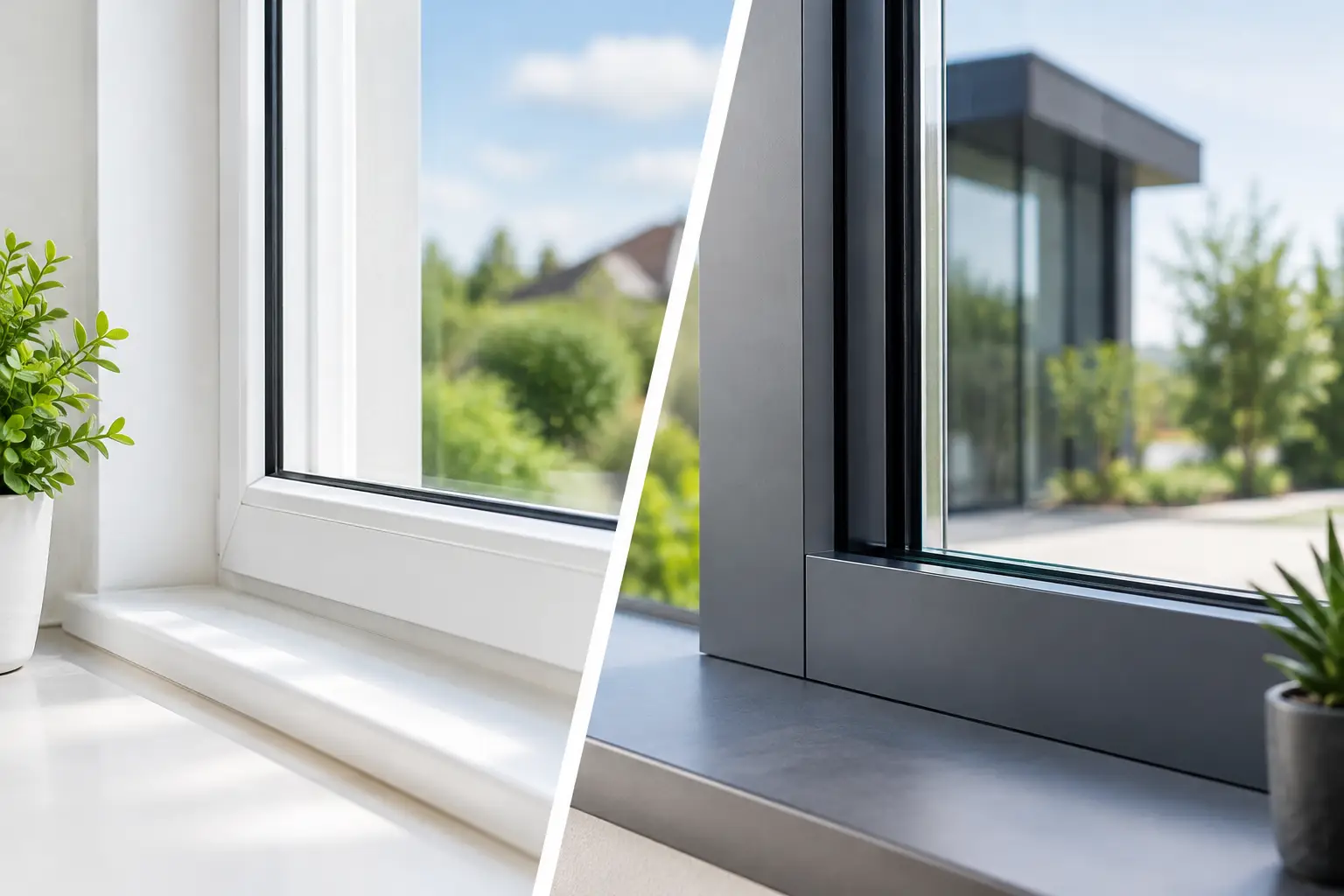
A replacement window should suit the house it is going into, not simply the latest showroom trend. When weighing up uPVC versus aluminium frames, the right choice often comes down to the age and character of your property, the size of the openings, your budget and what you want the finished result to feel like every day.
For homeowners across Doncaster and South Yorkshire, both materials can deliver secure, attractive and energy-efficient windows. The better option is rarely about one material being universally superior. It is about choosing a well-made product, correctly specified and professionally fitted for your home.
uPVC versus aluminium frames: the key difference
The most obvious distinction is the look. uPVC frames tend to be fuller in profile and are available in an impressive range of colours, woodgrain effects and traditional styles. Aluminium is naturally strong, allowing for slimmer sightlines and larger areas of glass.
That difference affects more than appearance. A large rear extension with wide garden views may benefit from aluminium’s slender frames. A traditional semi-detached home, a bay window or a property where warmth and value are the priorities may be ideally suited to uPVC. Both can be made with high-performance glazing, quality locks and carefully designed seals.
The decision should not be based on frame material alone. Glass specification, opening style, ventilation, hardware and installation all have a real bearing on comfort, security and long-term performance.
Why uPVC remains a trusted choice
uPVC has earned its place in British homes because it offers dependable performance at a sensible price point. Modern uPVC windows bear little resemblance to the plain white units many people picture from decades ago. Homeowners can choose smooth or grained finishes, flush sash designs, traditional casement windows and colours ranging from understated grey to classic timber-look shades.
Warmth and efficiency
uPVC is a naturally insulating material. Combined with double or triple glazing and an appropriate glass specification, it can help retain heat and reduce draughts around tired old windows. That matters during a South Yorkshire winter, when cold spots near glazing can make a room feel less comfortable than the thermostat suggests.
A window’s energy performance comes from the whole unit, rather than the frame in isolation. Well-fitted frames, sealed glazing units and good installation are what help prevent heat escaping around the edges. This is why honest advice and careful measuring are worth as much as a headline energy rating.
Value and easy upkeep
For many replacement projects, uPVC gives excellent value. It is generally more affordable than aluminium, particularly where there are several windows to replace. It needs little maintenance beyond occasional cleaning and checking that drainage channels and moving parts are kept clear.
It is also versatile. A homeowner can replace dated casements with a more refined flush sash design, retain a familiar appearance or opt for a contemporary finish without taking on the cost of aluminium throughout the property.
Where uPVC suits best
uPVC is often the practical choice for family homes, standard-sized window openings and projects where improving warmth, security and kerb appeal are the main goals. It can also work beautifully in more traditional properties when the profile and finish are chosen with care.
There are limits. Because uPVC frames need more material to achieve their strength, they are usually wider than aluminium. On a very large opening, this can reduce the amount of visible glass and alter the clean, open look some homeowners want.
The appeal of aluminium frames
Aluminium has a crisp, architectural quality that works particularly well in modern homes, extensions and spaces designed to bring in more natural light. Its strength allows manufacturers to create slim frames around larger panes, helping a window or door feel lighter without compromising security.
Slim sightlines and larger glass areas
This is often the deciding factor for aluminium. If you are planning an extension, replacing wide patio doors or creating a statement window overlooking the garden, slimmer frames can make a meaningful visual difference. More glass can give a room a brighter, less enclosed feel.
Aluminium also holds its shape exceptionally well. That makes it a strong option for large fixed windows, bi-fold doors, sliding doors and other expansive glazed features. The frame can remain neat and stable while supporting substantial glass units.
Modern performance and finishes
Older aluminium windows had a reputation for feeling cold. Modern thermally broken aluminium systems are very different. A thermal break separates the inner and outer sections of the frame, reducing the route by which heat can pass through the metal. Paired with the right glass, they can offer very good energy efficiency.
Powder-coated finishes are durable and available in a wide range of colours. Black, anthracite grey and softer heritage shades remain popular, while dual-colour options can allow a different finish inside and out. Aluminium does not rot, swell or require repainting, although it should still be cleaned and maintained in line with the manufacturer’s guidance.
The cost consideration
Aluminium is normally the higher initial investment. The exact difference depends on the style, size, glazing and specification, but homeowners should expect to pay more than they would for a comparable uPVC window.
That extra cost can be worthwhile where slim sightlines, large glazed areas and a particular architectural finish are central to the project. It may be less compelling for a straightforward replacement window where a quality uPVC design delivers the appearance and performance you need.
How uPVC versus aluminium frames compare in everyday use
Security should be strong with either material when the product is properly designed and fitted. Look beyond the frame label to features such as multi-point locking, quality hinges, reinforced sections where needed and toughened glass in relevant locations. A secure window is a complete system, not simply a strong frame.
Both materials are also low maintenance. uPVC is simple to keep clean and is unlikely to need more than routine care. Aluminium has a hard-wearing finish and is similarly easy to look after. Neither material asks homeowners to commit to the regular sanding, staining or painting associated with many timber windows.
In terms of noise, the glazing specification and how well the window is installed usually matter more than whether the frame is uPVC or aluminium. If your home is near a busy Doncaster road, mention this early in the conversation. The glass, seals and opening arrangement can then be chosen with sound reduction in mind.
Match the frame to the property
A balanced approach often produces the best result. There is no rule saying every window and door must be made from the same material. Some homeowners choose aluminium for a large set of rear doors or a contemporary extension, then select colour-matched uPVC windows elsewhere to manage the budget.
For period-style homes, consider the proportions of the original windows as well as the colour. Flush sash uPVC can provide a refined, traditional appearance, while carefully selected aluminium may suit a sympathetic modern addition. Planning restrictions and conservation area requirements may also affect what is appropriate, so it is sensible to check before committing to a design.
Think about how you use each room. Bedrooms may benefit from easy-to-operate openings and secure night ventilation. A kitchen extension may call for wide glass, easy garden access and a frame that complements larger doors. The best specification responds to those details rather than applying one solution everywhere.
Quality fitting makes the difference
Even the best window will disappoint if it is poorly measured or fitted. Gaps, weak seals and rushed finishing can affect appearance, warmth and weather resistance. Choosing an established local installer gives you the opportunity to discuss the property properly, see suitable options and receive clear guidance without unnecessary pressure.
At JF Bodman, the focus is on helping homeowners make a choice they will still be pleased with years after installation. From frame style and glass to colour and security features, the small details deserve careful consideration.
Before choosing between uPVC and aluminium, stand back from the samples and picture the finished home. Consider the view you want to keep, the rooms you want to warm up and the character you want to preserve. A free, no-obligation conversation can turn those priorities into a window specification that feels right from the first day.