
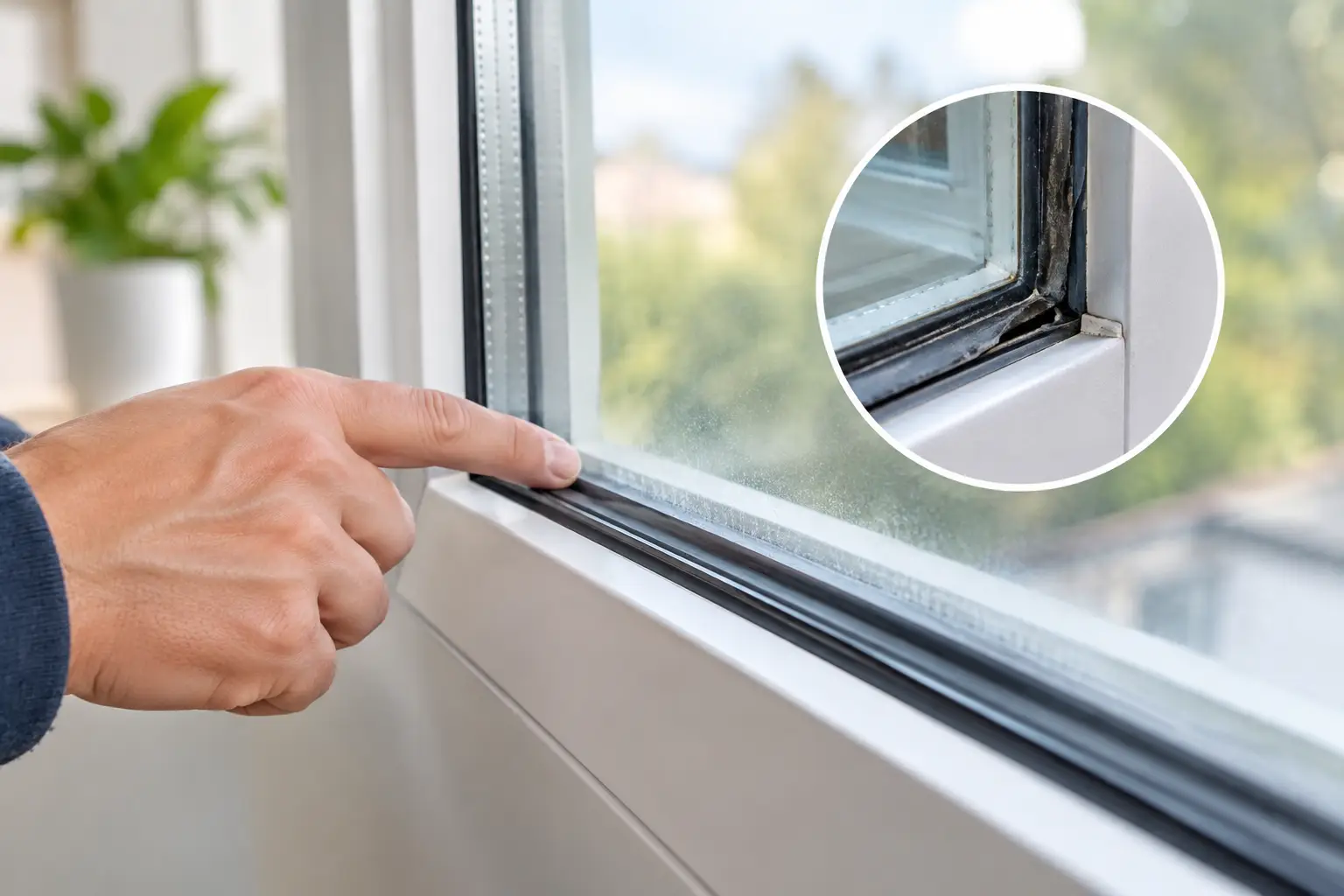
A clear window can become frustratingly cloudy almost overnight. If you are asking, why do window seals fail, the answer usually lies within the sealed glass unit itself, rather than the window frame. That distinction matters. In many cases, a misted pane does not mean the whole window must be replaced.
Modern double and triple glazing is designed to keep heat in, reduce outside noise and make your home more comfortable. When its seal fails, moisture can enter the gap between the panes. The result is condensation or a hazy appearance that cannot be wiped away from either side of the glass.
Why Do Window Seals Fail?
A double-glazed unit is made from two panes of glass held apart by a spacer bar. The perimeter is sealed to create an insulating cavity, often filled with air or an insulating gas. This sealed space is what helps the window perform properly.
Over time, that edge seal can weaken or break down. Once it does, humid air enters the cavity. When temperatures drop, moisture condenses on the inside faces of the glass, creating the familiar misted appearance.
Seals are durable, but they are not permanent. A well-made, professionally fitted unit should give many years of service, yet its lifespan depends on the quality of the unit, the installation, its position on the property and how much it is exposed to the weather.
Age and everyday movement
Every window experiences expansion and contraction. Glass, frames and sealants respond differently to changes in temperature, so a south-facing window that heats up in strong sun and cools sharply overnight is put under repeated stress.
This movement is small, but it happens thousands of times over the years. Eventually, it can affect the bond around the edge of the glazed unit. Older units are naturally more likely to fail as materials lose flexibility and the seal reaches the end of its working life.
Weather exposure
South Yorkshire weather gives windows plenty to deal with. Wind-driven rain, frost, summer heat and prolonged damp conditions can all take their toll, particularly on elevations that receive the worst of the weather.
Windows in exposed locations may deteriorate faster than those sheltered by porches, overhangs or neighbouring properties. This does not mean a seal failure is always an installation issue. Sometimes it is simply the cumulative effect of years of exposure.
Poor manufacturing or installation
The quality of the sealed unit and the way it has been installed both matter. A poorly manufactured unit may have an imperfect edge seal from the outset. Equally, a window that is not fitted squarely, supported correctly or drained properly can place unnecessary pressure on the glass and frame.
Water should be able to drain away from the frame. If drainage paths are blocked or the glazing is not seated correctly, moisture may sit where it should not. Good fitting is not just about a neat finish – it protects performance for the long term.
Damage to the glass or frame
A crack in the glass, impact damage around the frame or a failed gasket can allow water and air to reach areas they should not. Damage is not always obvious. A window may look sound from a distance while the seal around the unit has been compromised at one corner or edge.
Settling in the property can also play a part. Minor movement is common in homes, but if an opening becomes distorted, it can affect how the window operates and how the glazed unit sits within its frame.
Failed spacer bars and ageing components
Inside the sealed unit, the spacer bar contains a drying material known as desiccant. Its job is to absorb any trace moisture left in the cavity during manufacturing. If the perimeter seal deteriorates and damp air enters, that material eventually becomes saturated.
At that point, the unit can no longer keep the cavity dry. The moisture may first appear and disappear with changing weather, then become more frequent and permanent.
How to Tell if a Window Seal Has Failed
The clearest sign is condensation between the panes. Try cleaning both the inside and outside of the window first. If the cloudiness remains trapped within the glass, it is almost certainly a failed sealed unit.
You may also notice a milky haze, droplets around the edge of the pane or marks that look like dust but cannot be removed. In more advanced cases, moisture can leave mineral deposits inside the unit, making the glass look permanently stained.
Do not confuse this with condensation on the room-facing side of the glass. Surface condensation often relates to moisture in the home, ventilation and cold weather. It can be managed by improving airflow, using extractor fans when cooking or showering, and keeping background ventilation clear. Condensation between the panes is different – it points to a failed seal.
A failed unit can also feel colder near the glass, although this is harder to judge without comparison. The insulating gas, where present, may have escaped, reducing thermal performance. You may not notice a dramatic change in your heating bill from one unit alone, but several failed panes can make a difference to comfort and efficiency.
Does a Failed Seal Mean You Need New Windows?
Not necessarily. If the frame remains secure, opens and closes correctly, and is in good condition, it is often possible to replace just the failed glass unit. This is commonly the most sensible and cost-effective route for uPVC, aluminium and timber windows.
A replacement unit can be made to suit the existing opening, including the right thickness, glass specification and decorative features where required. For example, it may be possible to retain leaded designs, Georgian bars or obscure bathroom glass while improving thermal performance.
There are times when a full replacement is the better investment. If frames are warped, rotten, draughty, badly faded or difficult to lock, replacing only the glass may postpone a larger issue. The same applies if several units have failed and the windows are approaching the end of their serviceable life.
A straightforward assessment should look at the whole window, not just the misted pane. Honest advice means recommending the repair that suits the condition of your home, rather than treating every failed seal as a reason for a complete replacement.
Can You Repair a Failed Window Seal?
You may see services that offer to drill through the glass, clean the cavity and reseal it. While this can improve the appearance for a time, it does not always restore the original insulating performance or provide the same long-term reliability as a new sealed unit.
Replacing the glass unit is usually the more dependable option. It restores a properly sealed cavity and gives you an opportunity to choose modern, energy-efficient glass. The frame stays in place, so disruption is kept to a minimum.
If the glass is safety-critical, such as a low-level pane, a door panel or a window near steps, the replacement should meet the correct safety requirements. Toughened glass may be needed in these locations. This is one reason accurate measuring and professional fitting are worth having.
How to Help Your Windows Last Longer
No window seal lasts forever, but simple care can reduce avoidable problems. Keep drainage channels at the bottom of frames clear of leaves, dirt and moss so rainwater can escape. Avoid forcing stiff windows, as excessive pressure can affect hinges, locks and the positioning of the sash.
When cleaning, use mild products and avoid aggressive solvents that may damage seals, gaskets or finishes. If you notice cracked gaskets, loose beading, damaged glass or persistent draughts, arrange for them to be checked before water reaches the glazed unit.
Ventilation still matters, even though it will not repair a failed seal. Managing moisture inside the home helps reduce surface condensation and keeps rooms healthier. Use kitchen and bathroom extractors, open trickle vents where fitted, and allow fresh air to circulate when practical.
Choosing the Right Replacement Glass
A failed unit is an opportunity to improve the way a window performs. Depending on the room and the position of the property, replacement glass can be selected for better warmth, reduced solar gain, improved privacy or added acoustic control.
Bedrooms facing a busy road may benefit from acoustic glazing. A cold north-facing room may benefit from improved thermal glass. Bathrooms need suitable obscure glass, while entrance areas and low-level glazing may require toughened safety glass. The best choice depends on where the window is, how you use the room and the condition of the existing frame.
For homeowners in Doncaster and across South Yorkshire, JF Bodman can assess whether a replacement sealed unit is appropriate or whether a wider window upgrade would offer better value. The aim is simple: clear glass, a warmer home and peace of mind that the work has been done properly.
If misting is starting to obscure your view, do not wait until the problem becomes a larger repair. A careful inspection can give you a clear answer and help you choose the right next step for your home.