
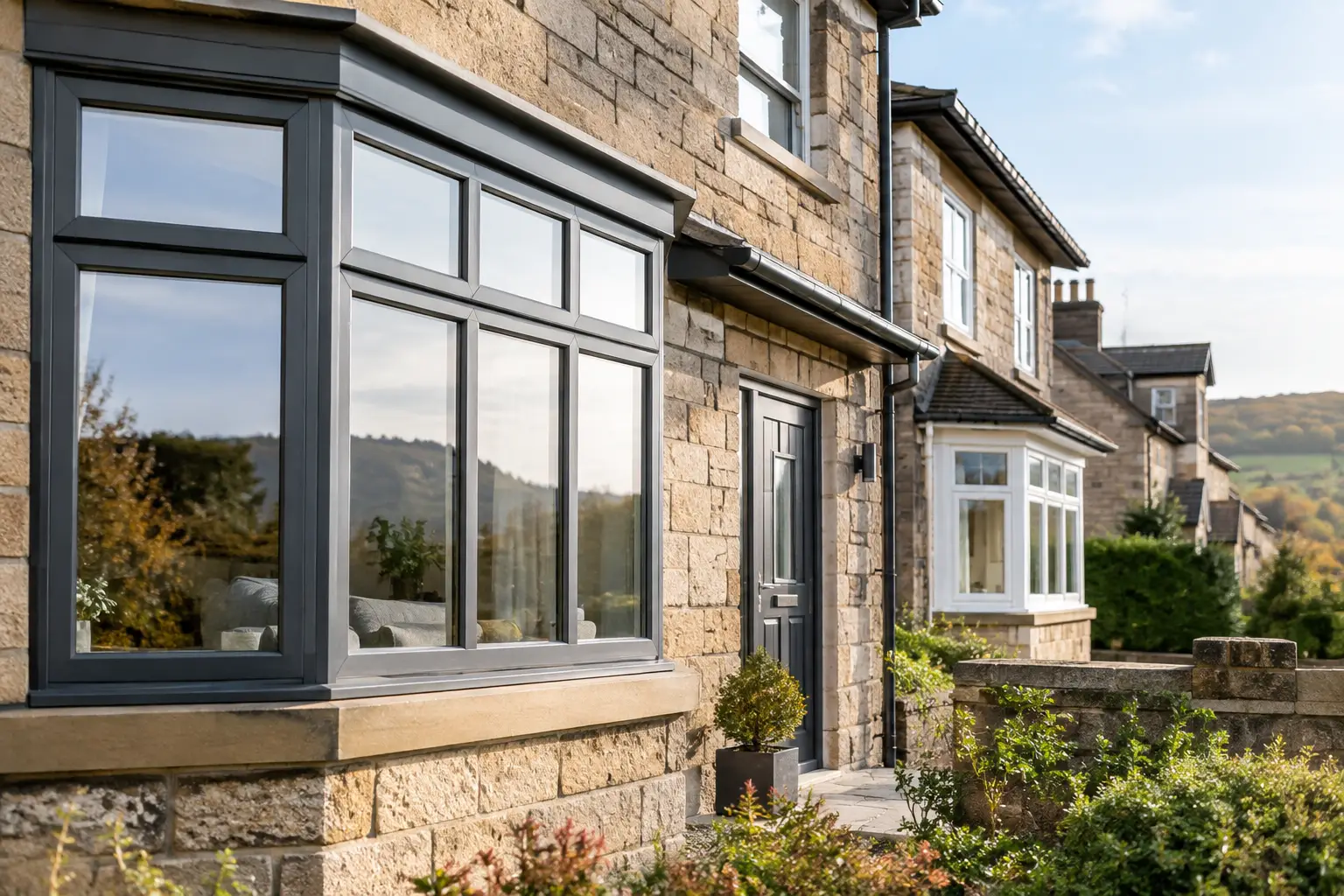
A window can change far more than the view from a room. The right window styles can make a 1930s semi feel more in keeping with its character, bring better ventilation to a warm kitchen, or make a newer property look sharper from the street. For homeowners in Doncaster and across South Yorkshire, the best choice is usually a balance of appearance, everyday practicality, security and energy performance.
There is no single style that suits every home. A traditional bay-fronted house may call for elegant sash windows, while a contemporary extension may benefit from slim aluminium frames and broad glazed areas. Taking time to consider how each room is used, as well as how your home looks from outside, leads to a result that feels right for years to come.
Choosing Window Styles for Your Home
Start with the building itself. Look at the age of the property, the existing features and the proportions of its windows. A replacement window should improve comfort and performance without looking out of place. This matters particularly on period homes, but it is just as relevant for newer properties where mismatched frames can affect kerb appeal.
The practical details deserve equal attention. Think about where windows open, whether furniture sits nearby, how easily you need to clean upper-floor glass and which rooms need the most fresh air. A bedroom, bathroom and family kitchen may all need different opening arrangements, even if the external design remains consistent.
Material also shapes the finished look. Modern uPVC offers an excellent range of colours and finishes, straightforward maintenance and strong thermal performance. Aluminium is a good fit for homeowners who want slimmer sightlines, a contemporary feel and larger panes of glass. Timber brings natural warmth and authentic character, particularly to heritage properties, but requires a greater commitment to maintenance.
Casement Windows: A Versatile Local Favourite
Casement windows remain one of the most popular choices because they work well on a wide range of South Yorkshire homes. Hinged at the side and opening outwards, they are simple to use, provide effective ventilation and can be made in many configurations. Side-opening, top-opening and fixed sections can all be combined in one frame.
Their adaptability is a real advantage. A top-hung opener is useful for ventilation when security and privacy matter, while a side-hung casement can create a wider opening for a room that needs more fresh air. Modern locking systems secure the sash at several points, helping to give homeowners welcome peace of mind.
Casement windows can suit both traditional and modern properties, depending on the frame profile, glazing bars and finish selected. White remains a classic option, but anthracite grey, black, cream and timber-effect finishes allow the windows to play a more deliberate role in the home’s design.
Flush Sash Windows for a Refined Finish
Flush sash windows are a variation on the casement design, with the opening sash sitting level within the outer frame rather than projecting outwards. The result is clean and understated. They are especially effective on cottages, village homes and period-inspired properties, though they can look equally smart on a modern renovation.
Their value lies in the detail. The flush finish can recreate the appearance of traditional timber joinery while delivering the insulation, weather resistance and secure hardware expected from a modern replacement window. It is a strong option when homeowners want heritage character without accepting old-fashioned performance.
Sliding Sash Windows: Traditional Character, Modern Comfort
Sliding sash windows are closely associated with Georgian and Victorian homes, but their appeal goes well beyond listed properties. Their vertical opening creates an elegant, balanced look that works beautifully in older terraces, townhouses and properties with original period features.
Traditional timber sash windows have undeniable charm, although they can be demanding to maintain and may suffer from draughts or sticking as they age. Modern sliding sash designs can retain the familiar proportions and detailing while adding improved glazing, dependable operation and stronger security.
Ventilation is another benefit. Opening the top and bottom sash slightly can encourage warm air to leave through the top while cooler air enters below. This can be particularly useful in bedrooms during warmer months. As with any style, however, the exact specification matters. Glazing bars, sash horns, frame depth and colour should all be chosen to complement the building rather than compete with it.
Tilt-and-Turn Windows for Flexible Ventilation
Tilt-and-turn windows are particularly practical in upper-floor rooms, flats and homes where access to the outside of the glass is limited. With one handle movement, the window tilts inwards from the top for secure background ventilation. With another, it opens inwards on a side hinge for a much wider opening and easier cleaning.
This flexibility makes them well suited to busy homes. The tilt setting can provide fresh air without leaving a large opening, while the inward opening can make cleaning safer and simpler. They tend to have a more contemporary appearance than a traditional casement or sash window, so they are often chosen for newer homes, extensions and modernised properties.
There is a trade-off to consider: because the window opens into the room, furniture placement needs planning. Curtains and blinds should also be selected with the opening action in mind. A good survey will identify these details before an order is placed.
Heritage Windows and Residence 9 Designs
Some homes need more than a standard replacement window. Conservation areas, character properties and carefully restored homes often benefit from heritage-style designs that preserve traditional sightlines and proportions.
Residence 9 windows are designed with this in mind. Their deeper, timber-style appearance and considered detailing can suit period homes where standard modern frames might look too plain or lightweight. Depending on the property and local requirements, they can offer an attractive route to improved warmth, weather protection and security while respecting the building’s character.
Planning restrictions and conservation rules can affect what is appropriate, particularly if a property is listed or sits within a designated area. It is worth checking early rather than choosing a design that later needs to be changed. Honest advice at the survey stage can save time, expense and disappointment.
Glass, Security and Efficiency Matter as Much as the Frame
The visible style is only one part of a good window. The glass, seals, locks and installation quality all affect how the window performs in everyday life. A well-designed frame cannot compensate for poor fitting, and even a handsome replacement may disappoint if it leaves gaps or is not adjusted correctly.
Double glazing is the expected standard for most replacement projects, helping to reduce heat loss and outside noise. The right glazed unit can make rooms feel more comfortable in winter and help reduce reliance on heating. Homes on busier roads may also benefit from discussing acoustic glass options.
Security should be considered as part of the full specification, not added as an afterthought. Multi-point locking, strong hinges, internal beading and toughened safety glass where required all contribute to a more secure home. Ground-floor windows, accessible side elevations and windows near doors deserve particular care.
For a family home, the most sensible choice is often not the most elaborate one. It is the window that looks right, opens where it needs to, keeps rooms comfortable and is fitted properly by people who take pride in the work. At JF Bodman, that practical approach has guided local homeowners for generations.
Before settling on a design, stand outside your property and look at it as a whole. Consider the window proportions, the front door, the brickwork and the neighbouring homes, then think about how each room needs to function. The right choice should feel like it has always belonged there – only warmer, quieter and more secure.