A replacement window should suit more than the opening in the wall. It needs to work with the character of your home, the way you ventilate each room and the standard of comfort you expect year-round. When comparing casement versus sash windows, the right answer is rarely simply the most traditional or the most contemporary option. It is the window that makes everyday living easier while looking right on your property.
For homeowners across Doncaster and South Yorkshire, casement and sash windows are both strong choices. Each can provide excellent energy efficiency, dependable security and an attractive finish when professionally specified and fitted. The main difference lies in how they open, how they look and where they tend to work best.
Casement versus sash windows: the key difference
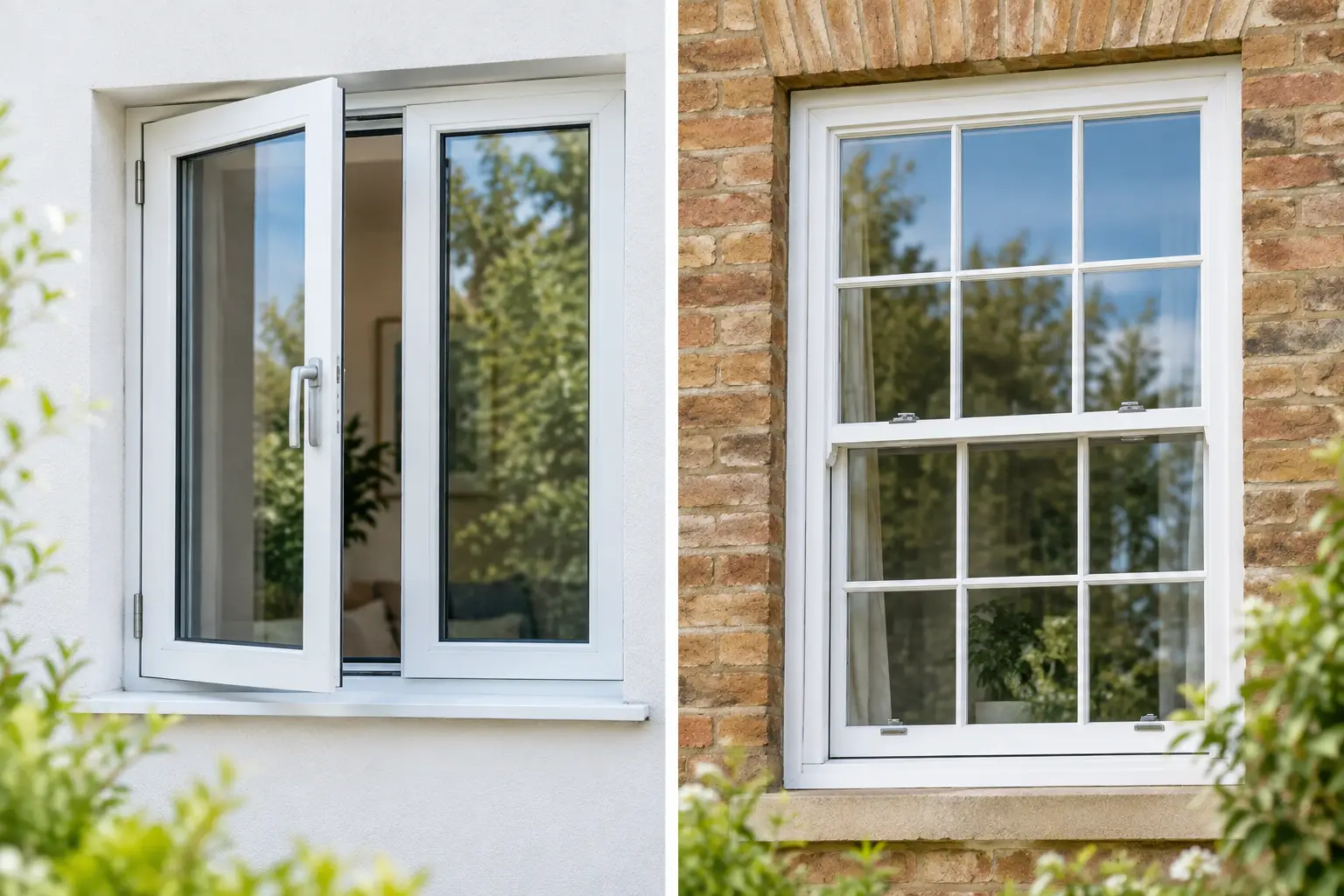
Casement windows are hinged at the side, top or bottom and open outwards, usually with a handle. The familiar side-hung design is a popular choice for modern and traditional homes alike. They can be made with one opening section or several sections, often with a fixed pane where a larger expanse of glass is wanted.
Sash windows open by sliding rather than swinging. A traditional vertical sliding sash has two framed sections, known as sashes, which move up and down. Modern sliding sash windows recreate this classic appearance while using contemporary materials, glazing and security features. There are also horizontal sliding sash designs, although vertical sash windows are what most people mean when discussing the style.
The distinction may seem straightforward, but it changes the feel of a room. Casement windows project outwards when open and offer a clean, versatile appearance. Sliding sash windows remain within their frame, bringing period detail and a more formal look to the elevation.
Why homeowners choose casement windows
Casement windows are one of the most adaptable replacement window styles available. They suit a wide range of properties, from post-war semis and newer developments to cottages where a traditional arrangement of glazing bars is preferred. With choices in uPVC, aluminium and timber, the finished design can be tailored to the home rather than forcing one look everywhere.
Ventilation and everyday use
A casement window can create a generous opening, making it particularly useful in kitchens, bedrooms and living spaces where fresh air is welcome. You can choose how far to open it, and many designs can be fitted with trickle vents for controlled background ventilation.
There is a practical point to consider. Because the window opens outwards, it needs clear space outside. That is rarely an issue at an upper-floor window, but it can matter beside a pathway, patio or seating area. In a tight spot, the direction of opening should be planned carefully.
A flexible look
Casement windows can be simple and contemporary, with broad glass areas and slim sightlines, or more traditional with Georgian bars, coloured frames and a flush finish. Flush sash casement windows are particularly popular where homeowners want a timber-style appearance without the maintenance demands of painted timber.
This flexibility makes casements a sensible choice for a whole-house replacement project. Different window sizes and arrangements can be accommodated while maintaining a consistent appearance across the front and rear of the property.
Security and thermal performance
A quality modern casement window is designed around secure locking points, strong hinges and toughened glass where required. Combined with energy-efficient double or triple glazing, it can help reduce draughts, improve comfort near the window and support lower energy bills.
Performance depends on the complete specification, not just the style. Frame material, glass unit, installation quality and the condition of the surrounding opening all play a part. A well-fitted window is what turns a good product into a lasting improvement.
Why homeowners choose sliding sash windows
Sliding sash windows have a distinctive character that is difficult to replicate with another style. Their vertical lines and balanced proportions are especially well suited to Victorian, Georgian and Edwardian homes, as well as modern properties designed to echo period architecture.
Period style with modern practicality
Older timber sash windows can be beautiful, but they may also be prone to rattling, sticking, draughts and regular repainting. Modern uPVC or timber sliding sash windows can retain the heritage appearance while offering close-fitting frames, improved glazing and smoother operation.
Details matter here. Deep bottom rails, sash horns, traditional-style hardware and carefully chosen glazing bars all influence whether the finished window feels convincing. For a home with original period features, taking time over these details protects the character that made the property appealing in the first place.
Ventilation without an outward opening
Because sash windows slide within the frame, they do not swing out over a path or garden area. This can make them a practical option at ground level or where external space is limited.
Many modern vertical sliding sash windows allow both sashes to move. Opening the lower sash slightly and dropping the upper sash can encourage air to circulate through the room, with warmer air leaving at the top. It is a useful feature in upstairs bedrooms and rooms that become warm in summer.
Cleaning and maintenance
Some modern sliding sash designs include a tilt function that allows sections of the window to be cleaned from indoors. This is particularly helpful on upper floors. Maintenance will still depend on the chosen material: uPVC generally needs little more than routine cleaning, while timber requires a greater commitment to checking and maintaining its painted finish.
The mechanism in a sash window is more specialised than a standard hinged casement. That does not make it less reliable, but it does make quality manufacture and professional fitting especially worthwhile. Smooth movement, proper alignment and well-finished seals are essential to the final result.
Which style works best for your home?
Architecture should guide the decision, but it should not dictate it entirely. A well-designed casement window can look entirely at home on many older properties, especially in a flush sash or heritage-style configuration. Equally, a sliding sash can bring character to a newer home that needs a more distinctive frontage.
Think about what is already on the building. Brickwork colour, rooflines, existing doors, bay windows and surrounding properties can all influence the best choice. Planning restrictions or conservation area requirements may also affect the acceptable design, materials or finish. In these cases, it is wise to establish what is permitted before settling on a specification.
Inside the home, consider how each window will be used. A casement may be better where you want the widest possible opening. A sash window may suit a room overlooking a narrow path. For a bay window, either style can work beautifully, but the proportions and original character of the bay should lead the design.
Cost, value and what to compare
As a general rule, a standard casement window is often the more cost-effective starting point. Its construction is usually simpler, and it is produced in a wide range of common sizes and configurations. Sliding sash windows tend to cost more because of their more detailed construction, specialist mechanisms and heritage styling.
That said, price should not be the only measure of value. A sash window that preserves the appearance of a period home can be a worthwhile investment. A high-quality casement window may be the better value choice where practical performance, clean lines and budget are the priorities.
When comparing quotations, make sure the specification is like for like. Ask about the glazing, energy rating, security hardware, frame finish, ventilation provision, making-good work and warranty. A low headline figure can look less attractive if it excludes details that affect comfort, appearance or peace of mind.
Making a confident decision
There is no need to choose one style throughout every property. A home may benefit from sliding sash windows on its traditional front elevation and casement windows in a less formal rear extension, provided the designs are considered together. The best schemes feel coherent rather than uniform for the sake of it.
At JF Bodman, we have been helping local homeowners make these decisions since 1974. Honest advice starts with the property, the practical needs of the household and the finish you want to live with for years to come.
Whether you favour the adaptable appeal of a casement or the lasting character of a sash, focus on the details that will matter every day: easy operation, warmth, security and a finish that makes you pleased to arrive home.