
A home does not need to look like a fortress to feel properly protected. The most effective improvements are often the ones a burglar notices first: a secure front door, well-fitted windows, reliable locks and no obvious weak point to exploit. If you are considering how to improve home security, start with the parts of your property that provide access, then build sensible habits around them.
For homeowners across Doncaster and South Yorkshire, security upgrades can also be an opportunity to improve warmth, appearance and day-to-day comfort. The right choice depends on your property, its existing condition and how you use it. A period home may need a sympathetic timber-style solution; a newer property may benefit from a low-maintenance composite door or modern aluminium windows.
Start with a realistic security check
Walk around your home in daylight, then again after dark. Look at it as someone unfamiliar with the property would. Is there a side gate left open? Can someone reach a rear window without being seen? Does the front door have signs of wear around the lock, hinges or frame?
Pay particular attention to doors and ground-floor windows, but do not overlook upstairs openings near a flat roof, extension or drainpipe. A window that is difficult to open, does not lock cleanly or has a damaged handle deserves attention. Security is only as dependable as the condition and fitting of the whole unit, not just the lock itself.
It is also worth checking that keys are not visible through glass panels or left close to the letterbox. Keep car keys, handbags and valuables out of sight from windows. These are small changes, but they remove easy opportunities.
How to improve home security through better doors
Your external doors are usually the first place to invest. A good door should feel solid in its frame, close smoothly and lock without force. If it rattles, drags or has visible gaps, the issue may be more than cosmetic. A poorly fitted door can affect both security and energy efficiency.
Composite doors are a popular option for many households because they combine a strong core with a durable finish and a wide choice of styles. Quality uPVC, timber and aluminium doors can also offer excellent protection when they are properly specified and professionally installed. The best material is not always the same for every home. Consider the style of your property, the amount of exposure the door receives and the level of maintenance you are comfortable with.
Look for a multipoint locking system on modern external doors. Rather than relying on one central lock, it secures the door at several points along the frame. This helps the door resist forced entry and also creates a firmer seal when closed. Handles, cylinders, hinges, glazing and the frame should be considered together. A strong lock fitted to a tired or weak frame will not deliver the reassurance you expect.
If you have an older timber door that you love, replacement is not automatically the answer. In some cases, a specialist can advise whether repairs, upgraded locks, security hinges or a replacement door in a matching heritage style would be the more sensible route.
Do not forget patio and French doors
Rear doors are often less visible from the street, making them just as important as the front entrance. Check that sliding patio doors lift and glide correctly, that their locks engage fully and that track areas are clean and undamaged. French doors should close evenly, with secure locking and hinges in good condition.
Bi-fold doors need the same careful attention. Their security comes from the combined quality of the panels, hardware, locking points, glass and installation. Large areas of glazing can be highly secure, but only when the whole system is designed and fitted correctly.
Check the condition of your windows
Modern windows should have secure locking points, toughened glass where appropriate and handles that operate properly. Casement, flush sash, sliding sash and tilt-and-turn windows all have different mechanisms, so it is helpful to understand how each opening is meant to lock before assuming there is a fault.
A sticking handle is not simply an inconvenience. It may mean the sash has dropped, the mechanism needs adjustment or the lock is not engaging as it should. Do not force it. A window that needs a firm shove to close can quickly suffer further damage.
Replacement windows can improve security while helping to reduce draughts and heat loss. uPVC is a practical, low-maintenance choice for many homes. Aluminium offers slim sightlines and strength, which can suit contemporary extensions and larger openings. Timber brings natural character to traditional properties, while modern heritage-style systems can provide a period appearance with up-to-date performance.
The glass matters too. Toughened safety glass is designed to break differently from standard glass and is particularly relevant in doors, low-level glazing and other vulnerable areas. Your installer can advise where it is appropriate for the location and design of your home.
Use light and visibility to your advantage
A dark side passage or unlit back garden does not cause a break-in, but it can make an attempted entry easier to hide. Well-positioned external lighting makes it simpler for you, neighbours and passers-by to see what is happening around the property.
Choose lighting that covers entrances, paths, gates and side access without shining directly into neighbouring homes or bedroom windows. Motion-sensor lights are useful where you do not need constant illumination. A timer on internal lamps can also make a difference when you are out for the evening or away on holiday.
Keep hedges and shrubs near windows and doors trimmed to a sensible height. Privacy is valuable, but dense planting can create cover around vulnerable openings. The aim is not to expose your home completely. It is to make access less private and less convenient.
Make everyday security habits part of the routine
Even the best doors and windows rely on being used properly. Lock external doors whenever the house is empty, even for a short trip. Shut and lock accessible windows at night and before leaving home. If you use a window for ventilation, consider whether a secure restricted opening is available rather than leaving it wide open.
Avoid hiding spare keys under pots, stones or garden ornaments. A trusted neighbour or family member is a safer option. If you have recently moved in, lost a set of keys or lent them out without being certain they were returned, changing the relevant cylinders is a sensible precaution.
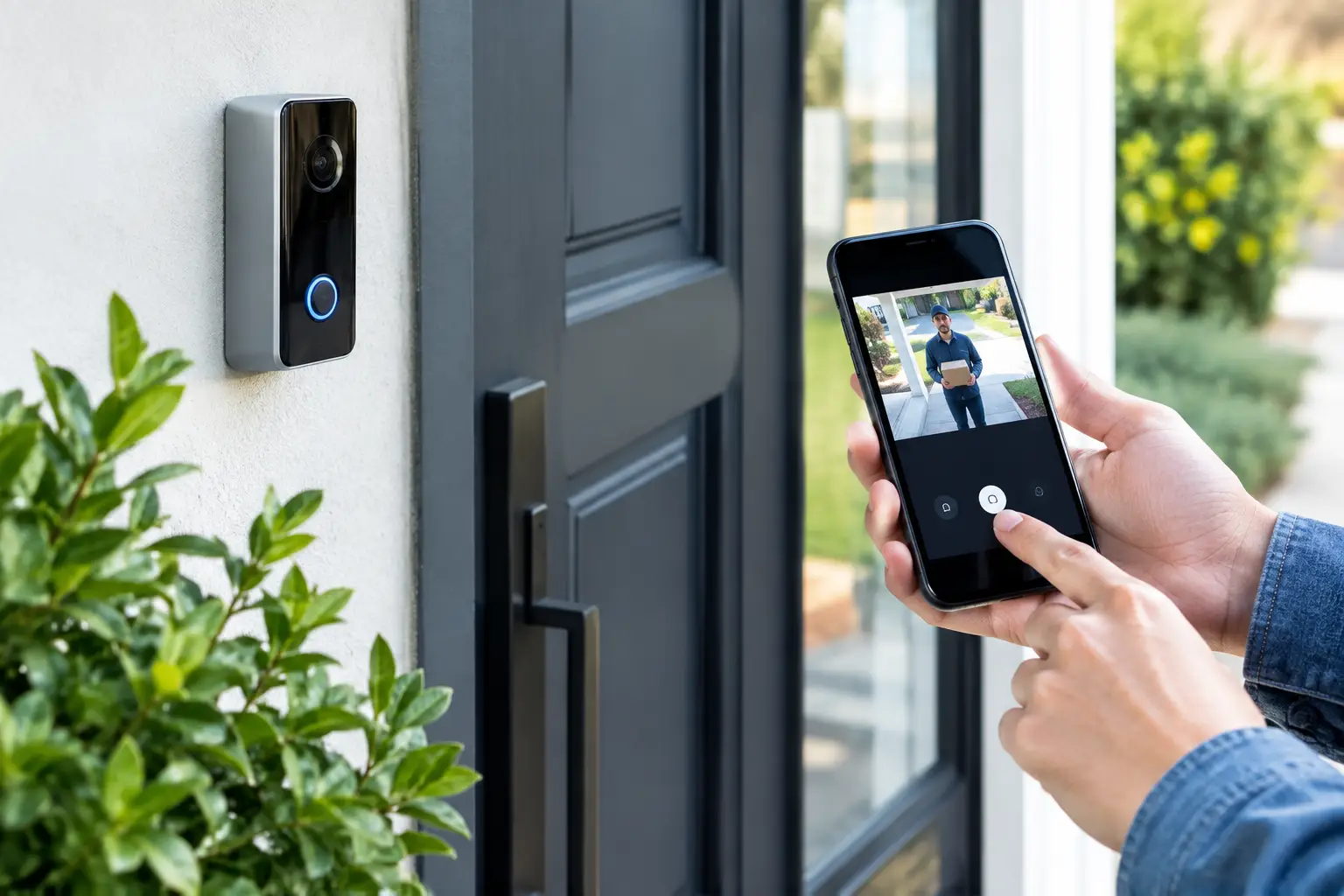
For added reassurance, alarms, video doorbells and cameras can be useful additions. They work best as part of a wider plan, not as a substitute for secure physical doors and windows. Think carefully about camera positioning, privacy and the alerts you are realistically able to respond to. Equipment that is constantly triggered by passing traffic soon becomes easy to ignore.
Choose improvements that suit your home
It is tempting to focus on one headline feature, such as a new lock or smart camera. In practice, home security is about layers. A secure door, good window hardware, suitable glazing, lighting and careful routines all work together. Start with the weakest point rather than replacing items that are already performing well.
Professional fitting is central to the result. A premium door or window can only perform as intended when it is measured accurately, fitted squarely and finished carefully. Ask clear questions about the locking system, glass specification, security features and aftercare before making a decision. Honest advice should make the choices easier, not more confusing.
JF Bodman has worked with local homeowners since 1974, helping them choose fitted windows and doors that feel right for their property as well as their budget. Whether your priority is a more secure entrance, better-performing windows or a complete home improvement project, the right solution should give you confidence every time you close the door behind you.