
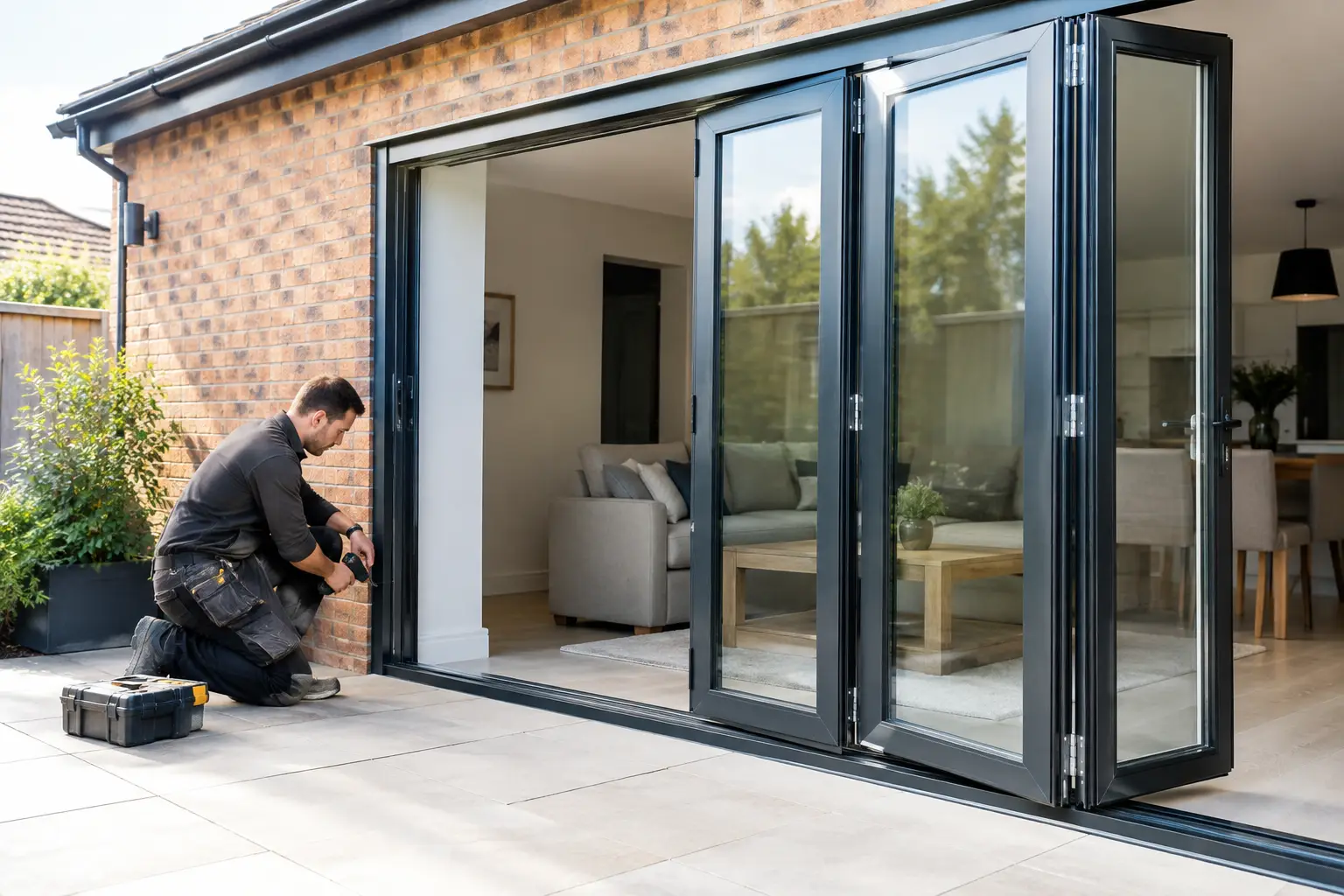
A well-designed set of bifold doors can change how a kitchen, extension or garden room feels every day. But the result depends on more than the doors themselves. Choosing bifold doors Doncaster installers means finding a local team that can assess the opening properly, explain the options honestly and fit the system with the precision it needs to operate smoothly for years.
For homeowners across Doncaster and South Yorkshire, bifolds are often a significant home improvement rather than a simple replacement. They can bring in more natural light, create a wide opening to the garden and give an extension a smart, modern finish. The right choice balances those benefits with security, thermal performance, sightlines and the practical realities of the space.
Why the installer matters as much as the doors
Bifold doors have multiple panels, hinges, rollers, tracks and locking points working together. A door can be made from excellent materials, but poor measuring or fitting can still lead to stiff movement, uneven gaps, draughts or water ingress. The frame must be square, level and properly supported before the panels are adjusted.
This is particularly important when doors are being fitted into a new opening. Removing a rear wall or widening an existing aperture may involve structural work, such as a correctly specified lintel or steel support. An experienced installer should be clear about what is included, where other trades may be required and how the finished installation will be made weather-tight.
Local knowledge has practical value too. A Doncaster installer can visit the property, see how exposed the rear of the house is, check access for installation and discuss details that are hard to judge from photos or a brochure. That face-to-face advice is often where a suitable design starts to take shape.
What to ask bifold doors Doncaster installers
A free quotation should be more than a headline price. It should give you confidence about the specification, the fitting process and what happens if you need help after installation. Ask what material is proposed, how many panels are planned, where the doors will fold and whether the threshold will suit your household.
The opening direction matters more than many people expect. Panels can stack inside or outside, and to the left, right or from the centre. Folding outwards can preserve internal floor space, while folding inwards may work better if there is limited room on a patio or path. There is no universal best arrangement – it depends on furniture, garden use and how people move through the room.
It is also sensible to ask about the following points during your consultation:
- the glass specification, including toughened safety glass where required and options that help reduce heat loss;
- multi-point locking, handles and the security features included as standard;
- the threshold height and drainage arrangement, especially if you want a more level transition to the outside;
- how the doors will be finished internally and externally, including trims, making good and sealant work;
- guarantees for the product and installation, plus who to contact if an adjustment is needed later.
Clear answers are a good sign. A professional installer will not pressure you into the most expensive option if a simpler configuration better suits your home.
Aluminium, uPVC or timber?
Material is one of the first decisions homeowners make. Aluminium bifold doors are a popular choice for larger glazed openings because the frames can be slim, strong and available in a wide choice of durable colours. They suit contemporary extensions particularly well, although they can also complement traditional homes when the colour and glazing bars are chosen carefully.
uPVC bifolds can be a cost-conscious option for smaller openings. They offer good insulation and low maintenance, but the frames are generally broader than aluminium. That may be perfectly acceptable in a compact opening, yet it is worth viewing examples before deciding if maximum glass area is a priority.
Timber brings natural warmth and can be the right answer for period properties or homes where character is central to the design. It does, however, need more regular care than aluminium or uPVC. The best material is not simply the one with the highest price tag. It is the one that fits the property, your budget and the level of upkeep you are happy to take on.
Get the glass and threshold right
Bifold doors are largely glass, so glazing has a major effect on comfort. Quality double glazing with an appropriate low-emissivity coating helps keep warmth inside during colder months. Depending on the aspect of your home, solar control glass may also be worth discussing. A south- or west-facing room with wide glazed doors can become uncomfortably warm in summer if solar gain has not been considered.
Safety matters too. Glass in doors and low-level glazing is normally toughened or laminated where required. Toughened glass is designed to break into small fragments rather than dangerous shards, while laminated glass holds together when broken. Your installer can explain the glass used in each part of the door and why it is suitable.
Thresholds need a practical conversation rather than a quick choice from a catalogue. A low threshold can make access easier for children, older relatives and anyone with reduced mobility. Yet external ground levels, drainage and weather exposure must all be assessed so rainwater is directed away from the property. A neat-looking detail only works if it remains weatherproof in a heavy South Yorkshire downpour.
Security should feel built in, not added on
Wide glazed doors can feel vulnerable, but a properly specified bifold system is designed with security in mind. Look for strong frames, multi-point locking, secure cylinder options where applicable and high-quality handles. The shootbolts and locking points should engage firmly when the doors are closed, without needing excessive force.
Security is also tied to installation. Frames must be fixed securely to the structure, glass units fitted correctly and the track aligned so that panels close fully. Ask an installer to demonstrate the locking action once the job is complete. You should know how to operate the main handle, any traffic-door function and the keys supplied before the fitters leave.
Compare quotations fairly
When comparing prices from bifold door installers, make sure you are comparing the same job. A low quote may use fewer panels, a different glass specification, a basic threshold or omit finishing work that you assumed was included. It may also exclude building work needed to prepare the opening.
Rather than concentrating only on the total, compare the full specification line by line. Check the manufacturer and system, frame colour on both sides, panel arrangement, glazing, hardware, locks, installation, disposal of old doors and guarantees. If one quotation is unclear, ask for it to be rewritten in plain language. You are entitled to know what you are paying for.
Timescales deserve the same attention. Bespoke doors are made to order, so there will usually be a lead time between survey and fitting. A dependable company will give a realistic indication, keep you informed if anything changes and agree a convenient installation date once the doors are ready.
A fitting process that protects your home
On installation day, good preparation keeps disruption under control. The team should protect nearby floors and furnishings where needed, safely remove the existing doors or windows, and keep the work area as tidy as the project allows. Fitting bifolds is skilled work, but it should not feel chaotic.
Once the frame and panels are in place, the final adjustments are crucial. The doors should fold and glide without catching, the gaps should be even and the locks should engage cleanly. Externally, sealant and trims should provide a tidy finish and support weather resistance. Internally, any agreed finishing work should leave the opening ready to enjoy rather than creating a list of unexpected jobs.
Before sign-off, take time to open, fold, close and lock the doors yourself. This is the best moment to raise questions about cleaning the tracks, caring for the finish and keeping drainage channels clear. Regularly removing leaves and grit from the track will help preserve smooth operation.
Choose advice you can rely on
Bifold doors are at their best when they suit the way your household lives: opened wide for family gatherings, used as a simple everyday access door, and closed securely when the weather turns. JF Bodman Ltd has been helping local homeowners make considered improvements since 1974, with straightforward advice and professional fitting at the heart of the service.
A home visit and no-obligation quotation give you the chance to explore the practical details without guessing. Bring photos, measurements if you have them, and a clear idea of how you want the room to work. The right installer will turn that starting point into doors that look right, operate properly and continue to earn their place in your home long after installation day.