
A window left open for fresh air should not leave you worrying about rain, security or a curious child near an upstairs opening. That is where tilt and turn windows offer something different. With one handle and two opening positions, they give homeowners practical control over ventilation without losing the clean, modern appearance expected from a replacement window.
For homes in Doncaster and across South Yorkshire, they can be an excellent choice where comfort, easy cleaning and security matter as much as kerb appeal. They are not the right answer for every property or every room, however. The best decision comes down to how you use the space, the style of your home and the window configuration available.
How tilt and turn windows work
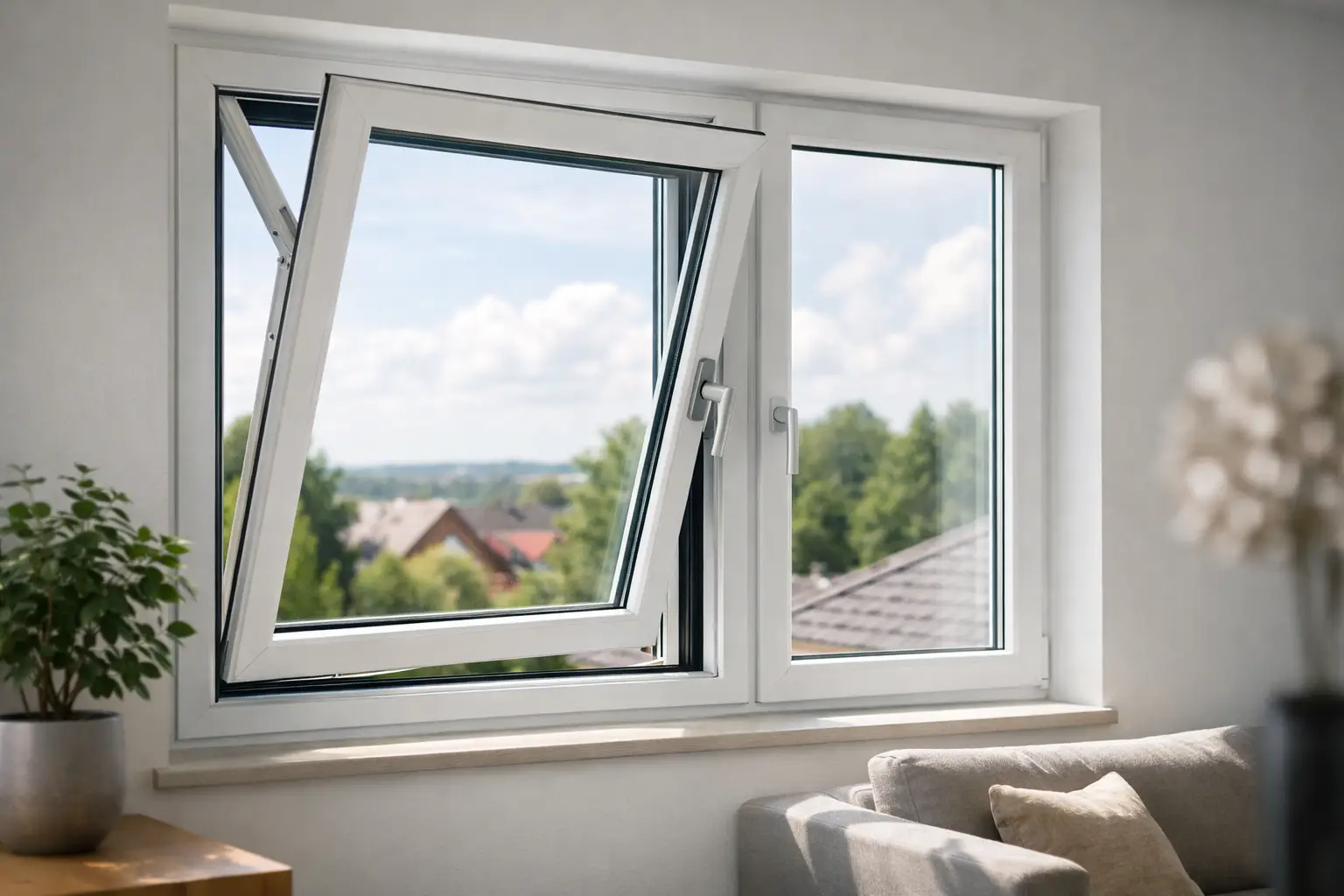
The name explains the mechanism. Turn the handle one way and the sash opens inwards from the side, much like a door. This provides a wide opening for fresh air, access and cleaning. Turn the handle to a second position and the top of the sash tilts gently into the room while the bottom remains secured in the frame.
That tilted opening creates a controlled gap for ventilation. Air can circulate without the window being fully open, which is useful during a shower, while cooking or when a bedroom needs airing overnight. Modern hardware is designed to make the change between positions simple, but it must be fitted and adjusted accurately for the window to operate as intended.
Unlike a traditional outward-opening casement, the sash comes into the room. This changes how the window feels in day-to-day use and is one of the first points worth considering during a home survey.
Why homeowners choose tilt and turn windows
Better everyday ventilation
The tilt position is the feature many households value most. It allows background airflow while limiting the size of the opening, helping to reduce stuffiness and condensation in areas where moisture builds up. Bathrooms, kitchens, utility rooms and bedrooms are all common places for this style.
A wide side opening is useful when you need a stronger flow of air on a warm day. It also gives you flexibility through changing weather. Rather than leaving a window fully open when there is a light shower or a brisk Yorkshire breeze, you can choose a smaller, more manageable opening.
Ventilation still needs common sense. No open window is completely risk-free, particularly on ground-floor rooms or where young children are present. The tilt setting can offer more reassurance than a fully open sash, but it is not a substitute for suitable restrictors, locks and sensible supervision where these are needed.
Easier cleaning from indoors
Upper-floor external glass can be awkward to clean safely with many window styles. Because a tilt and turn sash opens inwards, the outside pane can often be reached from inside the room. This can make a real difference on first-floor bedrooms, landings and flats, reducing the need to lean out or arrange frequent external cleaning.
The practical benefit depends on the window’s size and position. A large sash can be heavier to move, and furniture or deep window boards may limit how freely it opens. These details are best checked before ordering, rather than discovered after installation.
A strong, secure design
A quality replacement window should do more than look smart. Tilt and turn windows can be specified with multi-point locking, secure handles and toughened glass where appropriate. When closed, the sash seals firmly around the frame, helping to support security and weather performance.
The inward-opening design also means hinges are positioned inside the property when the window is shut, rather than exposed externally. Security depends on the whole specification, not one feature alone. The frame, glazing, locks, fitting quality and the way the window is used all matter.
For homeowners replacing older, draughty units, a modern window with high-performance fittings can bring valuable peace of mind as well as a more comfortable room.
Energy efficiency starts with the full specification
Windows have a significant effect on how a home feels through winter. Cold spots around old frames, draughts and poor glazing can make rooms harder to heat and increase pressure on the boiler. A well-specified tilt and turn window can help create a tighter seal when closed, supporting lower heat loss and a more even indoor temperature.
But the opening style alone does not determine efficiency. Glass specification, frame material, thermal breaks in aluminium systems, installation quality and the condition of the surrounding opening all play a part. A premium window fitted poorly will not perform as it should.
uPVC remains a popular option for homeowners looking for dependable insulation and low maintenance. Aluminium can suit contemporary properties and larger glazed areas, offering slim sightlines and strength. Timber brings natural character to period homes, though it needs more regular care. The right material should suit both your property and the level of maintenance you are happy to take on.
Where tilt and turn windows suit best
These windows are particularly effective where the benefits of inward opening outweigh the need for a clear window board. They are often chosen for upstairs rooms, bathrooms, kitchens and properties with limited outside access for cleaning. They can also work well on modern homes where a neat, unfussy appearance is preferred.
They are less suitable in some situations. If you regularly keep ornaments, plants or blinds close to the window, the inward-opening sash may become inconvenient. In a small room, a fully opened sash takes up internal space. Traditional properties may also suit flush sash, sliding sash or heritage-style windows more naturally, depending on the architecture and planning expectations.
For ground-floor rooms facing a busy pavement, you may prefer a different window style or add appropriate security measures. For a room that needs frequent, gentle ventilation, tilt and turn windows can be hard to beat. It depends on the room rather than simply the house.
Choosing the right design and finish
A functional window should still belong to the home. Tilt and turn windows are available in a wide choice of frame colours, glazing options and configurations, from clean white uPVC to wood-effect finishes and contemporary aluminium shades. The design can be tailored to sit comfortably alongside existing doors, fascias and neighbouring windows.
Think about sightlines before making a final choice. A larger sash may give more glass and light, but it will also be heavier and may need a different arrangement of openings. Smaller sections can make a broad elevation look more balanced, particularly on bay windows or properties with existing glazing bars.
Glazing deserves equal attention. Obscure glass is often the practical choice for bathrooms. Toughened glass may be required or advisable in particular locations. Acoustic glazing can be worth discussing for homes near busy roads, while decorative options can add privacy and character without blocking daylight.
Why professional fitting matters
Tilt and turn mechanisms need precise alignment. If the sash is not set correctly, it may catch, feel stiff or fail to close neatly against the seals. Careful measuring, sound preparation of the opening and a tidy finish are as important as choosing a good frame.
An experienced installer will talk through how each window should open, whether internal blinds or curtains will interfere, and where ventilation is most useful. They should also explain the locking positions and aftercare clearly once the work is complete.
JF Bodman has worked with homeowners in the local area since 1974, providing straightforward advice and professional installation across a wide range of window styles. A proper no-obligation quotation should account for the property, not just provide a one-size-fits-all price.
A practical choice when the details are right
Tilt and turn windows offer a rare combination of wide opening, controlled ventilation and convenient cleaning. Their value is most obvious in the rooms that need fresh air often, but where a conventional wide-open window is not always practical.
Before choosing, stand in each room and picture the sash opening inwards. Consider the furniture, blinds, cleaning access, privacy and how you want to ventilate the space on an ordinary weekday. That small exercise usually makes the right window style much clearer.