
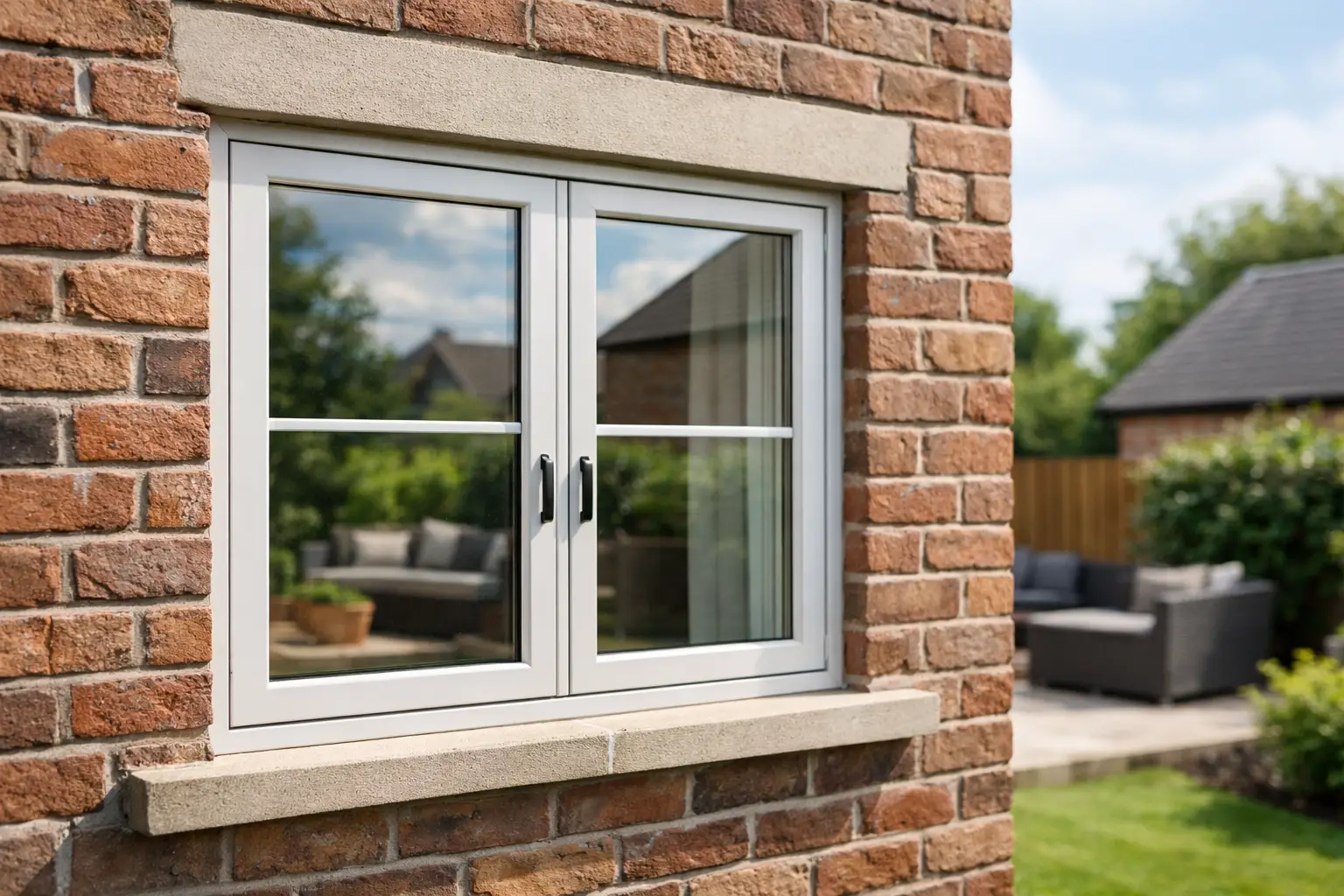
A replacement window should improve more than the view. It should make your rooms feel warmer, reduce outside noise, strengthen security and suit the character of your property. That is why flush sash windows Doncaster homeowners choose are becoming an increasingly popular option, particularly where traditional appearance matters but modern performance is expected.
A flush sash window has a clean, understated look that works across many South Yorkshire homes. Whether you are updating a period terrace, improving a family semi or refining a newer property, it offers a considered alternative to the more familiar casement window.
What makes a flush sash window different?
The name describes the defining feature. When the window is closed, the opening sash sits level with the outer frame rather than standing proud of it. The result is a flat, balanced finish that resembles the proportions of traditional timber joinery.
Standard casement windows remain an excellent choice for many homes. Their outward-opening sash is practical, versatile and available in a huge range of finishes. Flush sash windows, however, provide a more refined visual line. There is less visible overlap between sash and frame, which gives the window a neater, more heritage-inspired appearance.
That detail can make a real difference at the front of a property. Windows take up a large part of the façade, so changing their profile, colour and glazing can transform kerb appeal without changing the building itself.
Flush sash windows in Doncaster homes
Doncaster has a varied housing stock. Victorian and Edwardian properties sit alongside inter-war semis, post-war homes, village cottages and modern developments. There is no single window style that suits every address, which is why the right choice starts with an honest look at the property.
Flush sash windows are especially effective where a homeowner wants the character of timber without the regular maintenance traditionally associated with painted wood. Modern uPVC and aluminium systems can recreate the slim, tidy appearance of classic joinery while offering dependable weather resistance and straightforward upkeep.
For older homes, a woodgrain finish and a heritage colour can help replacement windows feel more in keeping with original features. Cream, Chartwell green, heritage grey and timber-effect finishes are often chosen for this reason. On newer homes, white, anthracite grey or black can give the same flush profile a sharper, contemporary feel.
The style is flexible, but it should not be chosen in isolation. Consider existing doors, brickwork, roofline details and neighbouring windows, particularly on a terrace or in a conservation-sensitive location. A well-chosen window should look like it belongs to the property rather than simply following a passing trend.
Are they suitable for conservation areas?
They can be, but it depends on the specific property and local planning requirements. A flush sash design may offer a more sympathetic appearance than a standard modern window, yet that does not automatically mean it is approved for every conservation area or listed building.
If your home has restrictions, the frame material, glazing specification, sightlines and opening arrangement may all matter. It is worth checking the requirements before committing to a design. Good advice at this stage can prevent costly changes later.
Modern comfort behind the traditional appearance
The appeal of flush sash windows is not only visual. A quality replacement window should help make everyday life more comfortable.
Modern double glazing and carefully designed frames can reduce heat loss compared with tired, poorly fitting older windows. That can mean fewer cold spots near the glass, less draught from worn seals and a home that feels easier to heat evenly. Energy performance will vary according to the exact system, glass specification and installation, so it is sensible to compare like for like rather than focusing on a single headline figure.
Glazing options can also be tailored to the room. Toughened glass is often appropriate in safety-critical areas, such as low-level glazing and doors. Obscure glass provides privacy in bathrooms or overlooked spaces. Where road noise is a concern, the right glazing make-up may help improve the feel of a front bedroom or living room.
Ventilation matters too. A warm, draught-free home still needs controlled airflow. Trickle vents, where required, should be selected and positioned with care so that the finished windows meet current expectations without detracting unnecessarily from their appearance.
Security should be part of the specification
A window may look traditional, but its security should be thoroughly modern. Quality flush sash windows can be fitted with multi-point locking, secure hinges and durable hardware designed to help resist forced entry.
The glass is only one part of the picture. Strong frames, correctly fitted locks and precise installation all contribute to peace of mind. A poorly installed premium window will not perform as it should, while a well-fitted system closes cleanly, locks properly and maintains a reliable weather seal.
Ask what is included rather than assuming all products are specified alike. The locking arrangement, handle finish, restrictors, glass type and security accreditation can differ between ranges. Clear answers are far more useful than vague assurances.
Choosing the right material and finish
Most homeowners considering flush sash windows will look first at uPVC, although aluminium and timber may also be appropriate depending on the project.
uPVC flush sash windows are popular because they provide strong thermal performance, low maintenance and a broad choice of colours and woodgrain finishes. They are a practical option for homeowners who want a traditional look without regular sanding and repainting.
Aluminium can suit properties aiming for slimmer frames and a more architectural finish. It is particularly effective where larger glazed areas are wanted, though the look is generally more contemporary than a classic timber-style design.
Timber remains a beautiful choice for the right property and can be the preferred material in certain heritage settings. It does, however, need a greater commitment to maintenance. The best decision is rarely about which material is objectively best. It is about appearance, budget, upkeep and the demands of your home.
Handle colour, glazing bars and opening configuration also deserve attention. Traditional monkey-tail handles, for example, can complement a cottage or period-style property, while contemporary handles may suit a clean-lined extension. Dummy sash arrangements and heritage-style bars can add balance to wider openings, but too many decorative details may look fussy on a simple modern home.
The installation matters as much as the window
New windows are a long-term investment, so fitting standards deserve close attention. Before work begins, each opening should be surveyed properly. This allows the installer to identify variations in brickwork, existing lintels, interior reveals and external finishing requirements.
During installation, care is needed to protect surrounding plaster, tiles and decorations where possible. Once the old frames are removed, the new windows must be level, secure and correctly sealed. The finishing touches matter: neat trims, clean sealant lines and sashes that open and close smoothly are all signs of a job completed with care.
A local, family-run installer such as JF Bodman Ltd can offer the direct contact many homeowners prefer for this kind of project. You should feel able to ask practical questions, understand the quotation and know who is responsible from survey through to completion.
Planning your project with confidence
Before requesting quotations, take a few moments to consider what is not working with your present windows. Is it heat loss, fading paintwork, difficult opening, road noise, condensation, security concerns or simply an outdated appearance? Those answers help shape a more useful conversation than choosing a colour from a brochure alone.
It can also help to look at the windows from both inside and outside. A darker exterior frame may suit the brickwork, while a lighter internal finish can keep rooms feeling bright. Not every elevation needs the same opening arrangement either. A bathroom, bedroom and bay window may each benefit from a different practical approach while still matching as a complete scheme.
Flush sash windows offer a rare balance: a design that respects traditional proportions while delivering the comfort, security and efficiency expected from a modern home. The right specification, measured carefully and fitted properly, can make your property feel more settled, more secure and more your own.