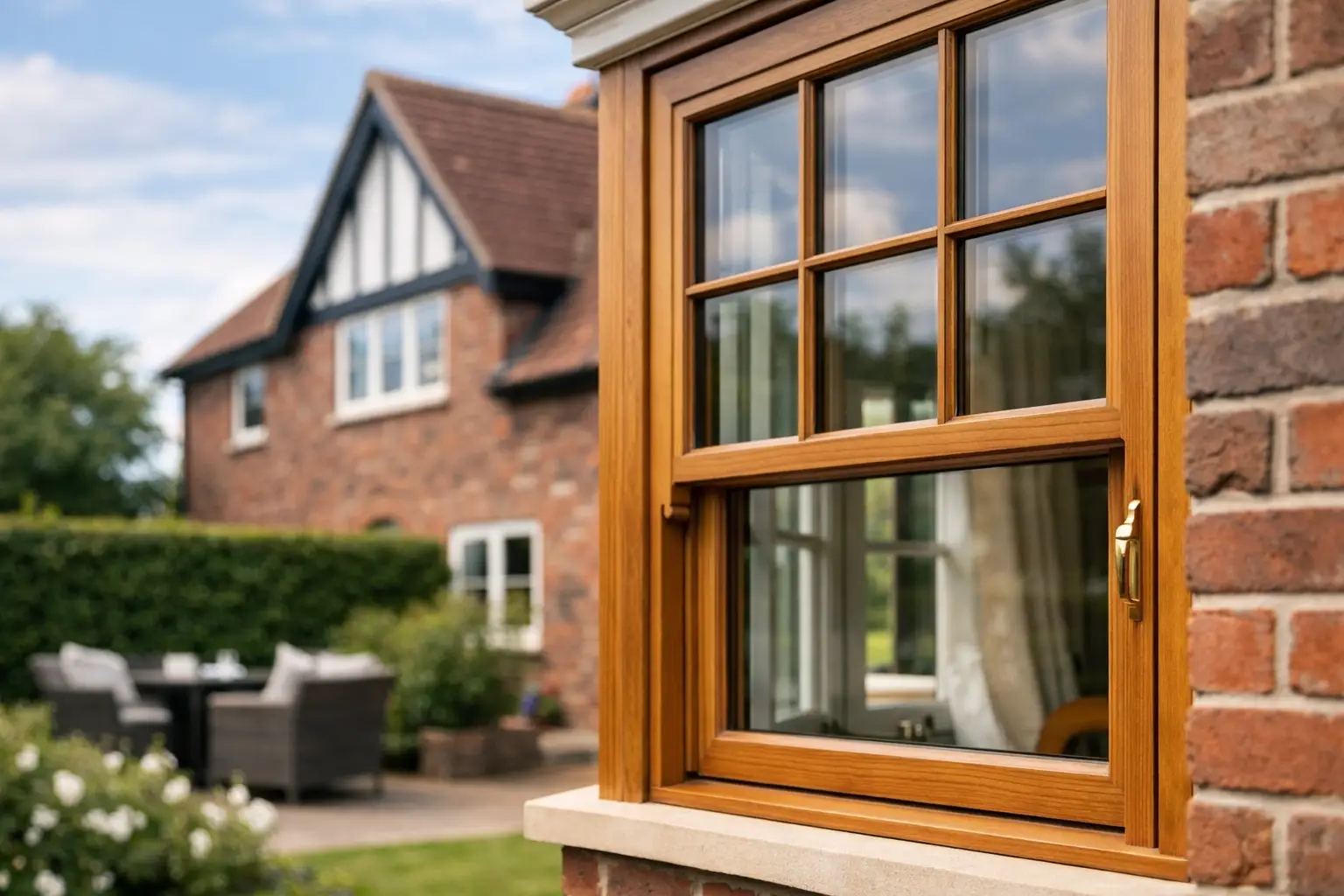
A well-made timber window changes more than the view from a room. It can bring back the proportions of a Victorian terrace, suit the quiet character of a period cottage, or add real warmth to a newer home. For homeowners considering timber windows Doncaster homes deserve, the right choice is about balancing traditional appearance with the comfort, security and energy performance expected from modern glazing.
Timber has a quality that other materials cannot simply copy. The grain, depth of finish and fine detailing give it a natural presence, whether you choose a painted colour or a stained finish. Yet it is not a choice to make on appearance alone. Window design, glass specification, maintenance needs and installation all have a lasting effect on how your home feels and performs.
Why timber remains a valued choice in Doncaster homes
Across Doncaster and South Yorkshire, there is a wide mix of property styles. You may own a stone-built cottage, a bay-fronted Edwardian house, a 1930s semi or a modern development that needs more character. Timber windows can be designed to complement each one, rather than forcing a standard look onto the building.
For homes in conservation areas or properties with original features, timber is often the most sympathetic option. Slimmer sightlines can help retain the appearance of traditional windows, particularly with sliding sash or flush casement designs. Details such as glazing bars, sash horns, period-style handles and carefully chosen colours make a substantial difference to the finished result.
That said, timber is not only for older homes. A contemporary timber casement window, finished in a clean neutral shade, can look equally at home on an extension or self-build. It depends on the architectural style of the property and the look you want to achieve. Honest advice at the outset can prevent a costly choice that feels out of place later.
Modern timber windows are built for everyday comfort
Many homeowners remember older wooden windows that stuck in winter, rattled in the wind or needed regular repair. Quality modern timber windows are very different. They are generally made from carefully selected and engineered timber, which improves stability and reduces the risk of movement caused by changes in temperature and moisture.
Combined with modern double glazing, draught-resistant seals and precision-made frames, they can make rooms feel warmer and quieter. This is especially welcome in homes near busier Doncaster roads, where traffic noise can affect front bedrooms and living spaces. Better thermal performance can also reduce heat loss, helping your heating work more efficiently during colder months.
Glass matters as much as the frame. A suitable glazing specification can improve insulation, reduce outside noise and increase safety in vulnerable locations. Toughened glass is often appropriate for windows near doors, low-level glazing and other areas where there is a greater risk of impact. The best specification should be based on the room, window position and your priorities, rather than a one-size-fits-all package.
Security should be part of the specification
Traditional appearance does not mean accepting outdated security. A properly specified timber window can include modern locking systems, secure hinges and durable hardware, while retaining the fine proportions that make timber attractive.
Ask how the locking points work, what hardware is fitted and whether the handles suit the way your household uses the home. A ground-floor window, for example, may need a different security focus from a small upstairs bathroom window. The aim is simple: dependable protection without compromising the style of the property.
Choosing the right timber window style
The right opening style should make day-to-day life easier as well as improving the outside of your home. Casement windows remain a popular choice because they are versatile, straightforward to use and suitable for many house styles. Flush casement windows sit neatly within the frame and create a more traditional, refined finish, making them particularly effective for cottages and heritage-inspired properties.
Sliding sash windows are often the natural choice where you are replacing original box sash windows or want to recreate their vertical elegance. They work beautifully in taller openings and bay windows, though their detailed construction can make them a more significant investment than a standard casement design.
Consider practical points before settling on a style. How will you clean upper-floor glass? Do you need a wide opening for ventilation? Are there curtains, blinds or furniture that could obstruct the handles? Small details such as these are easily overlooked in a showroom but matter every day once the windows are fitted.
Finishes that suit the property, not just the trend
Painted timber gives you a wide choice of colours, from soft off-whites and heritage greens to deeper charcoal shades. It can be an excellent way to complement brickwork, stonework, roofing and existing doors. Stained finishes allow more of the natural grain to show through and can give a warm, classic look.
It is worth thinking beyond the colour sample. A bold shade may look striking on a single window but feel overwhelming across the whole front elevation. Likewise, bright white can look crisp on a modern property but may appear too harsh against aged stone or traditional brick. Looking at the full property, including fascias, gutters and the front door, leads to a more considered choice.
Internal and external colours can sometimes be selected differently, which is useful where you want a traditional exterior but a lighter interior scheme. This is one of the advantages of a consultation-led approach: you can discuss the design in the context of your own rooms and elevation, not in isolation.
Maintenance: the trade-off worth understanding
Timber needs care, and it is best to be clear about that before making a decision. High-quality factory-applied finishes are designed to provide long-lasting protection, but frames should still be inspected periodically. Cleaning away dirt, checking seals and dealing with small areas of damage early will help preserve the finish.
The maintenance commitment is usually greater than it would be with uPVC, and that may influence your decision if you have limited time or several hard-to-reach windows. In return, timber offers a natural material that can often be repaired and redecorated rather than replaced when the surface eventually needs attention. For many homeowners, that ability to refresh the windows over time is part of timber’s long-term appeal.
A straightforward question to ask is how the proposed finish should be maintained, what inspection is recommended and what support is available should you spot an issue. Clear answers are a sign of a supplier who understands the product beyond the point of sale.
Why professional fitting makes the difference
Even the finest timber window will not perform as intended if it is poorly measured or fitted. Accurate surveying is essential, particularly in older Doncaster homes where openings may not be perfectly square and walls can reveal unexpected issues once old frames are removed.
A professional installation should account for weatherproofing, insulation around the frame, secure fixings and a tidy internal finish. It should also respect the property. Careful fitting protects existing plasterwork, reveals and decoration wherever possible, while a well-planned replacement project helps keep disruption manageable for the household.
At JF Bodman Ltd, the focus is on helping homeowners make a confident decision, with direct advice and fitting standards built on local experience since 1974. The best result comes from choosing windows that suit the building and having them installed by people who take pride in the detail.
Questions to settle before you order
Before committing to timber windows, establish the style you need, the glass and security specification, the finish, expected maintenance and the fitting process. Also ask what will happen to old frames and whether any making-good work is included. These are practical details, but they shape both the installation experience and the finished appearance.
Price deserves a fair comparison too. A lower initial figure may not include the same glass, hardware, finish quality or installation standard. Compare like for like wherever possible, and look at the value over the years you expect the windows to serve your home.
Timber windows are a considered investment, but they should never feel like a leap into the unknown. Take time to view finishes, discuss your property’s needs and choose a design that will still look right when passing fashions have moved on. The result can be a warmer, more secure home with character that feels genuinely yours.