
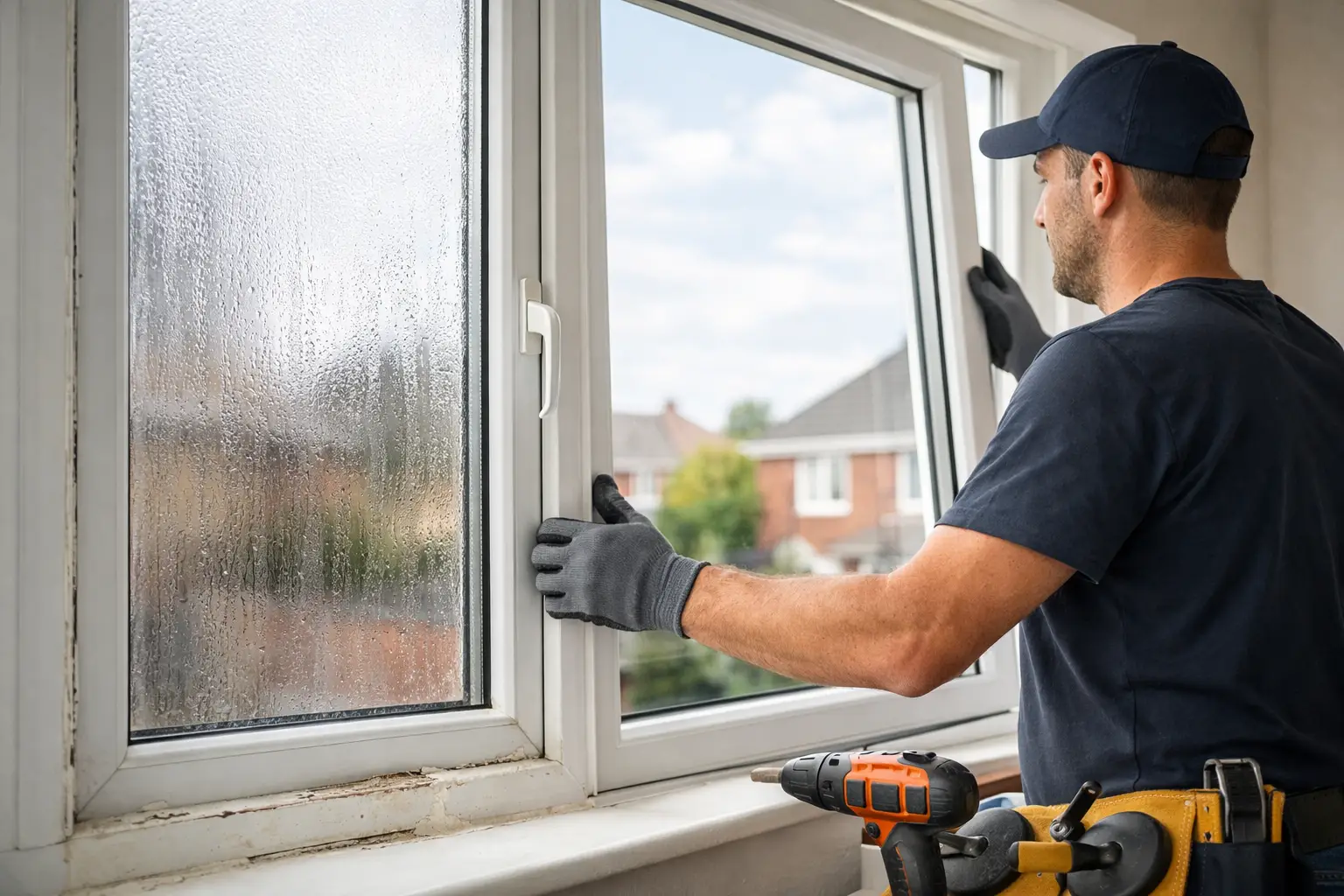
A draught around the sofa, condensation gathering on the glass each morning, or a window that needs a firm shove to close properly can make a house feel less comfortable than it should. For homeowners considering uPVC window replacement Doncaster, the decision is rarely just about changing the look of the property. It is about warmth, security, quieter rooms and confidence that the job will be done properly.
Replacement windows are a long-term improvement, so it pays to look beyond the initial price. The right specification, style and fitting standard can make a noticeable difference every day, particularly through a South Yorkshire winter.
Signs your windows are ready for replacement
Windows do not always fail dramatically. More often, they gradually become less effective. You may first notice that certain rooms feel cold, traffic noise seems louder than before, or your heating has to work harder to maintain a comfortable temperature.
Visible condensation between the panes is a clear sign that a sealed unit has failed. This cannot be wiped away because it sits inside the glass unit, reducing clarity and thermal performance. A misted unit can sometimes be replaced without changing the whole frame, but it is worth checking the condition of the window as a whole before choosing that route.
Difficulty opening, closing or locking a window is another warning sign. It may be caused by worn hinges, failed handles or movement in an older frame. Repairs can be sensible where the window is otherwise sound. However, if several windows are stiff, draughty or showing signs of deterioration, replacement often provides better long-term value.
Look closely at the frames too. Older uPVC can become discoloured, brittle or warped after years of weather exposure. Gaps around the opening, loose seals and rattling panes all allow heat to escape and can affect home security. Timber frames may need regular care, while ageing aluminium systems can lack the thermal performance expected from modern products.
What modern uPVC windows can improve
A well-made replacement window is not simply a pane of glass in a new frame. It is a complete system of insulated profiles, glazing, seals, locks, hinges and precise installation. Each part matters.
Modern uPVC frames use multi-chambered sections designed to reduce heat transfer. Combined with energy-efficient double glazing, they can help rooms retain warmth and reduce cold spots near the window. The exact improvement depends on the age and condition of the existing windows, the rest of the property’s insulation and how the home is heated. New windows are not a cure for every draught in an older house, but they are an important part of a warmer, more efficient home.
Security is equally important. Quality windows should include dependable locking systems, secure hinges and toughened glass where required. Ground-floor windows, accessible side elevations and openings near doors deserve particular attention. A professional survey should consider how each window is used, not just its size.
There is also the everyday benefit of smoother operation. Windows that open easily allow you to ventilate the home properly, while reliable locking gives peace of mind when you are out or upstairs for the night. For homes near busy roads, upgraded glazing can also help reduce external noise, although the result depends on the glass specification and the overall construction of the opening.
Choosing the right uPVC window style for your home
The best style is the one that suits the character of the property and how you live in it. A replacement should look as though it belongs, rather than appearing as an afterthought.
Casement windows
Casement windows remain a popular choice across Doncaster because they are versatile, practical and suited to many property types. They can be configured with different opening sections, glazing bars and frame proportions, making them appropriate for everything from traditional semis to newer family homes.
They are straightforward to use and can provide useful ventilation. The layout should be planned carefully, particularly where outward-opening sashes could affect paths, patios or neighbouring boundaries.
Flush sash and heritage-style windows
For homeowners who prefer a more traditional appearance, flush sash windows sit neatly within the frame rather than overlapping it. This creates a cleaner, timber-like look while retaining the lower-maintenance advantages of uPVC.
Heritage detailing, such as appropriate glazing bars and carefully chosen finishes, can make a substantial difference on period-style homes. If the property is in a conservation area or subject to planning restrictions, obtain advice before making decisions. Appearance may be closely controlled, and a standard replacement may not be suitable.
Sliding sash and tilt-and-turn windows
Sliding sash windows offer classic vertical proportions and can be a strong fit for Victorian and Georgian-inspired properties. Modern versions provide a more practical alternative to older sash windows, with improved weather resistance and simpler operation.
Tilt-and-turn windows are often chosen for upper floors, contemporary homes and rooms where flexible ventilation is useful. They can tilt inward for secure airflow or open fully inward for cleaning and access. Their appearance is more contemporary, so they are not always the natural choice for every property.
Glass, colour and finishing details matter
The glass specification has a major effect on how the window performs. Standard double glazing is suitable for many homes, but certain rooms or locations may benefit from an upgraded option. Obscure glass provides privacy in bathrooms and side-facing windows. Toughened safety glass is appropriate in higher-risk locations. Acoustic glass may be worth discussing for homes affected by road, rail or neighbourhood noise.
Frame colour deserves more thought than it once did. White uPVC remains a smart, enduring option, particularly where consistency and value are priorities. Anthracite grey, black and woodgrain finishes can create a stronger architectural look, but they should be selected with the property’s brickwork, roofline, doors and neighbouring windows in mind.
A colour that looks striking on a sample may feel too heavy across a full elevation. Ask to see completed local work where possible. Details such as handle finish, glazing bars and the sightlines between frame and glass have a real effect on the finished appearance.
Why fitting quality is as important as the window itself
Even premium windows will underperform if they are measured or fitted poorly. A good installation begins with a detailed survey, not assumptions made from photographs or rough measurements.
The installer should assess the condition of the surrounding brickwork, lintels, internal finishes and existing frames. They should explain whether trims are needed, how any damaged areas will be handled and what disruption to expect. Clear answers at this stage prevent unwelcome surprises once work begins.
During installation, old windows should be removed with care, new frames secured correctly and gaps sealed properly. The finish inside and out should be neat, with sashes operating smoothly and locks checked before the team leaves. Responsible disposal of the old windows and a proper handover are also part of a professional service.
JF Bodman Ltd has been fitting home-improvement products for local households since 1974, bringing the practical benefit of established experience alongside straightforward, family-run service. For a purchase that should last for years, honest advice and high-standard workmanship are quality worth the difference.
Planning your window replacement with confidence
Start by deciding what needs to change. You may want to replace every window at once for a consistent finish and the best overall improvement in comfort. Alternatively, replacing the most exposed, damaged or inefficient windows first can be a sensible phased approach when budgets are tight.
When comparing quotations, make sure they cover like for like. Check the window style, glass type, colour, hardware, security specification, trims, making-good work and removal of old frames. The cheapest figure may not include the same level of product or fitting detail.
It is also helpful to think about the property beyond the windows. A new front door, patio door or upgraded roofline can affect the final look of the elevation. Coordinating colours and styles now can avoid a piecemeal appearance later.
A free, no-obligation quotation should give you space to ask practical questions without pressure. How long will the work take? Will any rooms need access from outside and inside? What happens if hidden damage is found? A reliable local installer will answer plainly and set realistic expectations.
The best replacement windows should fade into the background once fitted. Your rooms simply feel warmer, quieter and more secure, the windows open as they should, and the outside of your home looks cared for. That is the standard worth aiming for when choosing new uPVC windows.