
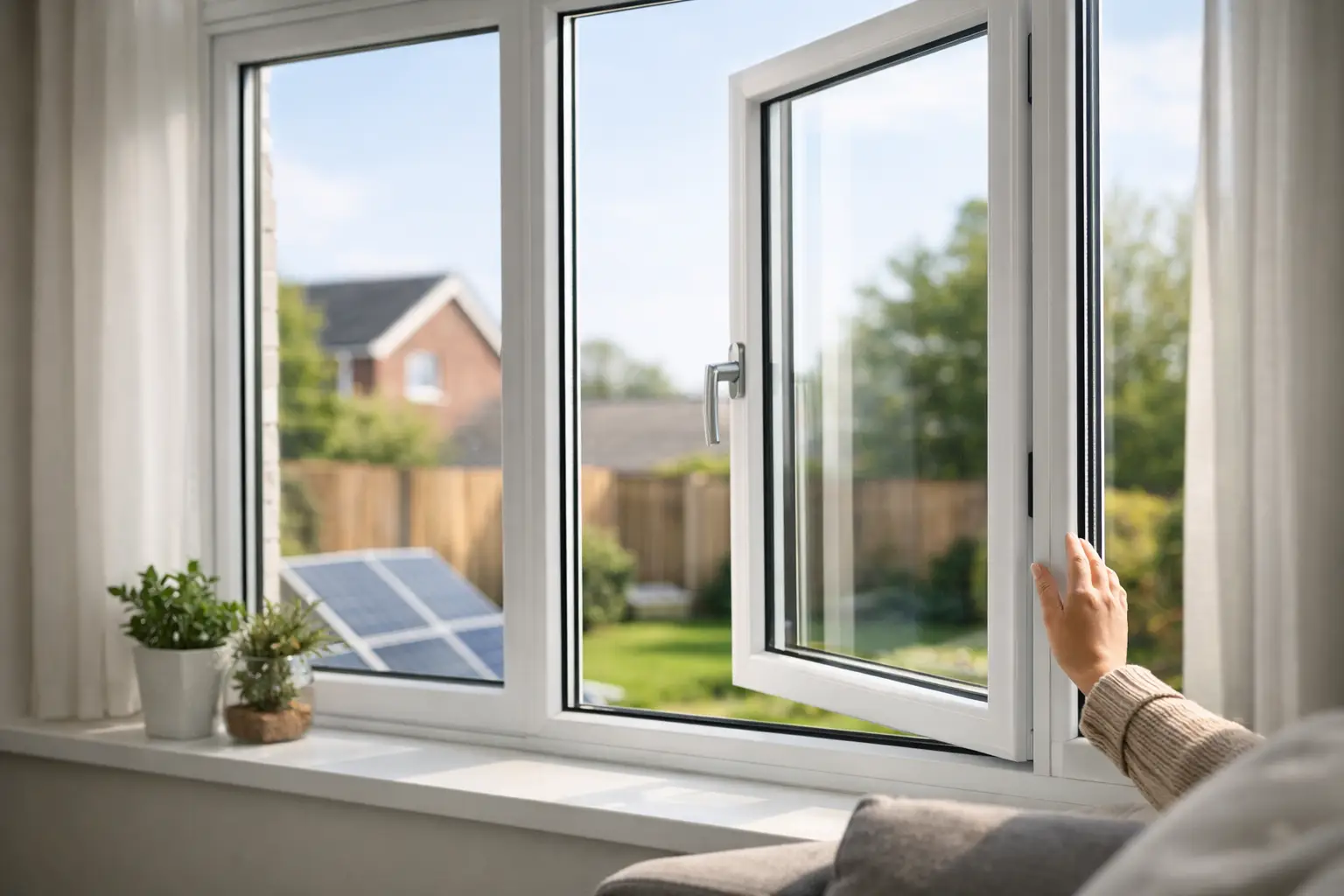
A cold patch beside the sofa, condensation on the glass and a boiler that seems to work harder every winter are often signs that older windows are no longer doing their job. Choosing energy efficient windows Doncaster homeowners can depend on is about more than replacing tired frames. It is a chance to make your home warmer, quieter, more secure and more enjoyable to live in.
The best result comes from looking at the whole window, not simply the glazing or the price on a quotation. Frame material, glass specification, ventilation, fitting quality and the style of your property all play a part. A well-chosen replacement window should look right for your home while helping to keep warmth where it belongs.
Why energy efficient windows make a real difference
Heat naturally moves towards colder areas. In a home with ageing, poorly sealed or single-glazed windows, warmth can escape through the glass, frames and gaps around the opening. That can leave rooms uncomfortable, particularly on exposed sides of the house or in north-facing bedrooms.
Modern replacement windows are designed to reduce this heat loss. Double glazing uses two panes of glass separated by a sealed gap, while high-performance glazing can include a low-emissivity coating and an insulating gas-filled unit. Together, these features help reflect warmth back into the room while still allowing useful daylight in.
The practical difference is often felt before it is seen on a bill. Rooms can warm up more quickly, cold draughts are reduced and temperatures are easier to maintain. Lower heating demand may help reduce energy use, although the saving will depend on your property, heating system, insulation levels and how you use your home.
New windows can also improve day-to-day comfort in other ways. Quality sealed units reduce outside noise, particularly useful near busy Doncaster roads. Modern locking systems and toughened glass where appropriate can add another layer of reassurance too.
What makes a window energy efficient?
It is tempting to compare windows by their appearance alone, but energy performance depends on several parts working properly together. A high-specification glass unit cannot compensate for a poorly made frame or an installation with gaps around it.
Glass units and warm-edge spacers
The glass unit does much of the hard work. Low-emissivity glass has a near-invisible coating that helps retain heat indoors. The space between panes provides insulation, and a warm-edge spacer around the perimeter of the unit helps reduce heat transfer at the edge of the glass.
For some homes, triple glazing may be worth considering. It can offer additional thermal and acoustic benefits, but it is not automatically the right answer for every property. Triple-glazed units are heavier and can cost more, so the benefit should be assessed against the style of window, the room’s exposure and your priorities.
Frames that suit the property
uPVC remains a popular choice because it is low maintenance, practical and available in a wide choice of colours and finishes. Modern uPVC frames are a long way from the bulky white profiles many homeowners remember. They can suit everything from straightforward family homes to more traditional properties when chosen carefully.
Aluminium frames offer slim sightlines and a crisp contemporary finish. Their strength makes them particularly well suited to larger glazed areas, while thermally broken profiles help manage heat transfer. Timber has lasting character and can be the right choice for period homes or where a natural finish is central to the look. It does, however, need more regular care than uPVC or aluminium.
There is no single best material for every house. The right choice balances performance, maintenance, budget and the appearance you want to preserve.
Airtight fitting and sensible ventilation
Even an excellent window needs a careful installation. The frame must be fitted squarely, securely and with appropriate sealing between the window and the surrounding opening. This helps prevent draughts, water ingress and heat loss around the edges.
At the same time, a home needs controlled ventilation. Replacing draughty old windows with tighter new ones changes how air moves through the property. Trickle vents, suitable opening options and everyday ventilation all help manage moisture and maintain good indoor air quality. A good installer will discuss this rather than treating ventilation as an afterthought.
Choosing energy efficient windows in Doncaster for your home
Doncaster has a varied housing stock, from Victorian terraces and traditional semis to newer estates and rural properties across South Yorkshire. Your replacement windows should respect the character of the building as well as improve performance.
A flush sash window can provide a clean, timber-style appearance without the maintenance demands of painted timber. Sliding sash windows may suit period properties where retaining the traditional vertical opening style matters. Casement windows remain a versatile choice for many homes, while tilt-and-turn designs can be useful where easy cleaning and flexible ventilation are priorities.
For homes in conservation-sensitive settings or those with a strong architectural character, heritage-style window options may be more appropriate. The key is to avoid making a purely cosmetic choice. Sightlines, opening styles, frame proportions and colour all affect the finished appearance, but so do the glass specification and installation details that determine how the window performs through winter.
Before requesting quotations, look closely at your current windows. Are the problems concentrated in one cold room? Is outside noise an issue? Do you need a particular opening style for cleaning or escape? Are you trying to match existing features on an extension? These answers help shape a specification that is suited to your home rather than a standard package.
Window ratings explained without the jargon
Window energy ratings give a useful indication of overall performance. They consider factors such as heat loss through the window, solar gain and air leakage. Higher ratings generally indicate better efficiency, but a rating should not be the only thing you compare.
Ask what is included in the quoted specification. One company’s price may be based on a basic glazed unit, while another may include upgraded glass, stronger hardware or more detailed finishing work. It is worth checking the expected thermal performance, the guarantees provided and whether the survey will confirm the final specification before manufacturing begins.
The lowest price is not always the lower-cost decision over time. Windows are fitted for many years, so quality of manufacture and fitting matter as much as the initial figure. Poorly installed windows can create problems that erase the value of a cheaper quote.
Avoiding common replacement window mistakes
The first mistake is choosing on appearance alone. A black aluminium-style finish, a heritage colour or a traditional sash design can look excellent, but it still needs to meet the practical needs of the room and property.
The second is overlooking security. Energy efficiency and security should work together. Look for dependable locking hardware, strong frames, internal beading where appropriate and toughened safety glass in locations that require it. These details offer peace of mind without compromising the design.
The third is delaying action until a window has visibly failed. Misted units, rotten timber, persistent condensation between panes and draughts are clear warning signs. However, windows can be underperforming long before they reach that stage. If rooms feel cold despite adequate heating, a professional assessment can help identify whether the windows are part of the problem.
Finally, do not underestimate the value of seeing samples and discussing options face to face. Colours look different in natural light, frame profiles feel different in person and a conversation can reveal practical considerations that a product photo cannot.
A local approach to a long-term improvement
Replacement windows are not an off-the-shelf purchase. Measurements must be precise, the design must suit the property, and fitting must be completed to a high standard. That is why many homeowners prefer an established local company that is accountable for the advice, survey and installation.
JF Bodman Ltd has served homeowners in and around Doncaster since 1974, with a family-run approach built around honest advice and quality workmanship. A free, no-obligation quotation is an opportunity to discuss what you want to improve, whether that is a colder room, rising heating costs, outdated appearance or greater security.
The right windows should not ask you to compromise between style and performance. Start with the rooms you use most, explain the problems you are experiencing and choose a specification that gives you comfort and confidence for the years ahead.