
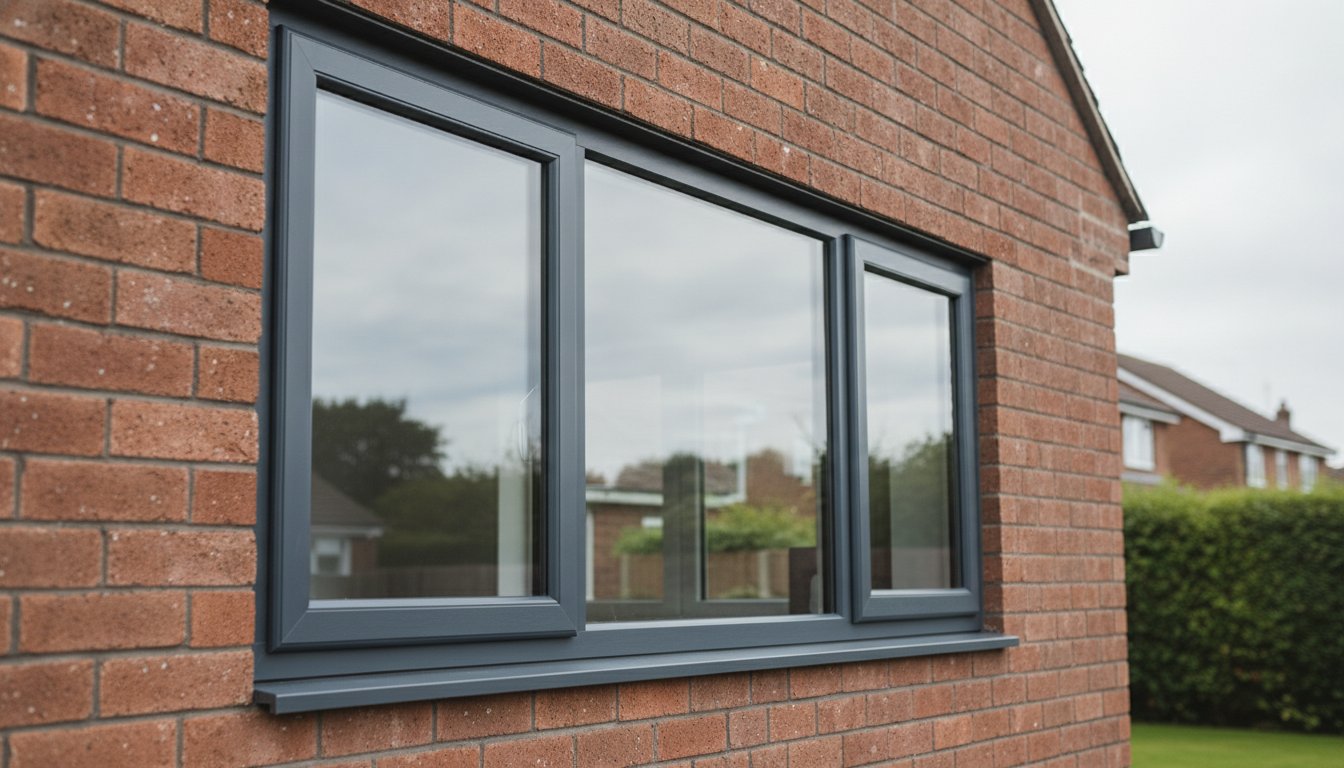
You might think that choosing new glazing is just about finding the clearest glass, but the frame you choose often does more heavy lifting for your home’s character and comfort than the pane itself. It’s perfectly natural to feel a bit lost amongst the technical jargon or to worry that a modern choice might clash with your neighbourhood’s traditional charm. After all, your home is likely your biggest investment, and the last thing you want is a high-pressure salesperson pushing a “one size fits all” solution that doesn’t suit your property’s unique architecture.
We believe you deserve a clearer path to making the right choice for your family. In this guide, you’ll discover the ideal types of windows for your specific property, balancing classic British aesthetics with the latest thermal efficiency standards. We’ll help you understand the different mechanisms and materials available, from heritage-style sliding sashes to low-maintenance uPVC casements. By the end, you’ll have the confidence to match the right style to your home whilst ensuring your new windows provide the security, warmth, and longevity you expect from a local specialist who values reputation over volume.
Key Takeaways
- Learn how to preserve your property’s unique character whilst meeting modern thermal standards to lower your energy bills.
- Gain a clear understanding of the different types of windows available, from the classic versatility of a casement to the elegance of a sliding sash.
- Discover how to match frame styles to your home’s architecture, ensuring a seamless look that respects the local neighbourhood.
- Compare the longevity and insulation properties of uPVC, aluminium, and timber to choose the best material for your long-term comfort.
- Understand why the quality of the installation is just as vital as the product itself for ensuring security and weatherproofing.
The Role of Windows in Your Home’s Character and Performance
Windows are often described as the “eyes” of a property. They do much more than just let in light; they define the external personality of your home and set the tone for every room inside. Whether you live in a traditional stone cottage in Barnsley or a contemporary detached home in Doncaster, your choice of glazing influences how neighbours and visitors perceive your property. In the 2026 market, this choice has evolved significantly. We’ve moved beyond simple glass panes toward advanced thermal barriers that protect your family from the unpredictable Yorkshire weather. Choosing between various types of windows is now a balancing act between preserving heritage aesthetics and achieving modern performance.
The right choice impacts more than just appearance. In the South Yorkshire property market, high-quality glazing is a key factor in a home’s valuation. Buyers now look for a blend of security, warmth, and style. If you’re looking for a comprehensive guide to window types, it’s helpful to remember that the best installation is one that respects the building’s history whilst embracing today’s technical standards.
More Than Just Glass: The Modern Window System
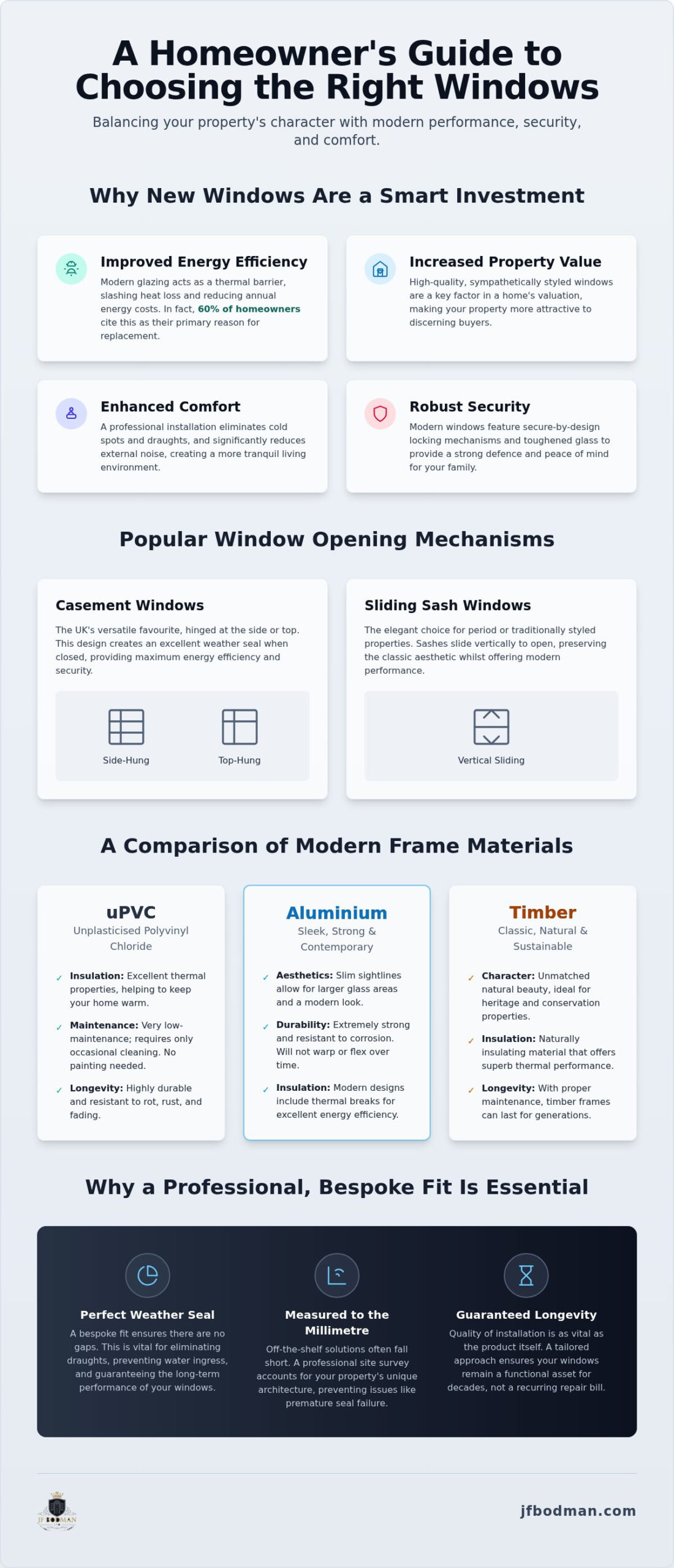
A window is a complex assembly where the frame, glazing unit, and hardware must work in perfect harmony. In 2026, energy efficiency has become a non-negotiable standard for UK homeowners rather than an optional upgrade. Research shows that 60% of homeowners now cite improved energy efficiency as their primary reason for window replacement. With triple-glazing increasingly becoming the industry benchmark, modern systems are designed to slash heat loss and reduce annual energy costs by hundreds of pounds. Beyond warmth, security is a primary concern for our customers. We prioritise secure-by-design features, ensuring that the locking mechanisms and toughened glass provide a robust defence for your home and peace of mind for your family.
The Long-Term Investment of Bespoke Fitting
Mass-produced, off-the-shelf windows often fall short, especially in the unique architectural landscape of the North of England. A millimetre’s difference can be the cause of a persistent draught or a premature seal failure. This is why a professional site survey is essential. A bespoke fit ensures a perfect weather seal, which is vital for the longevity of different types of windows. Choosing a tailored approach offers several practical benefits:
- Increased Property Value: High-quality, sympathetic glazing makes your home more attractive to buyers in the local Sheffield and Rotherham markets.
- Reduced Maintenance: Modern materials like high-grade uPVC and aluminium are engineered to withstand decades of rain and wind without warping or fading.
- Enhanced Comfort: Eliminating cold spots and external noise creates a more tranquil living environment for your family.
Every home is an investment in a lifestyle. By choosing a solution designed specifically for your walls, you ensure that your windows remain a functional asset for decades rather than a recurring repair bill. We take pride in guiding you through this process, ensuring your home stays safe, warm, and beautiful.
Popular Window Opening Mechanisms and Functionality
A casement window is the UK’s most versatile side-hinged opening style, offering a familiar and reliable solution for almost any room in the home. When you are comparing different types of windows, it is vital to consider how the mechanism will interact with your daily life. A window that opens outwards might be perfect for a living room, but it could obstruct a narrow garden path or a side alley. The way a window operates dictates not just the look, but how you arrange your furniture and use your living space.
Safety is a priority we never overlook. For upper floors, certain windows must meet specific egress requirements to serve as emergency fire escapes. We also consider how different types of windows manage airflow. Many modern designs include a “night-vent” position, allowing you to lock the window slightly ajar to let in fresh air whilst keeping your home secure from the outside.
Casement Windows: The Versatile Standard
Casement windows remain the favourite for modern UK homes because they are incredibly straightforward and provide an excellent weather seal. You can choose between top-hung configurations, which are ideal for smaller rooms like bathrooms to let steam escape, or side-hung versions that offer a wider opening. These windows provide unobstructed views and often feature “easy-clean” hinges. These hinges allow the sash to slide towards the centre, so you can safely clean the external glass from inside your room.
Sash Windows: The Timeless Sliding Classic
Sliding sash windows are essential for preserving the architectural integrity of Victorian and Georgian terraces across Barnsley and Rotherham. Traditional versions relied on a complex system of lead weights and pulleys, which often became stiff or draughty over time. Modern Sliding Sash Windows use high-performance spring balances instead. This ensures a smooth, effortless glide and a much tighter seal against the wind, giving you the classic heritage look without the traditional maintenance headaches.
Tilt and Turn: Modern Flexibility
These windows use a clever dual-action mechanism that is perfect for contemporary living. With a single handle, you can tilt the top of the window inwards for secure, draught-free ventilation. Alternatively, you can turn the window fully into the room like a door. This makes them a favourite for multi-storey flats and modern Sheffield developments where cleaning the outside of the glass would otherwise be impossible. The multi-point locking system inherent in this design also offers enhanced security, making it a very robust choice for the modern homeowner.
Choosing the right mechanism is about more than just aesthetics; it’s about making your home work better for your family. If you are unsure which style fits your layout, our team can provide a friendly, no-pressure site survey to help you decide.
Choosing Styles for Your Property’s Architecture
Your home’s architectural style is its visual signature. Choosing the wrong types of windows can lead to “architectural clashing,” where modern frames look out of place on a period cottage or traditional sashes feel heavy on a contemporary build. In places like Barnsley and Rotherham, we’ve seen a significant rise in the “heritage” look for modern new-builds. Homeowners are increasingly opting for styles that offer a nod to the past whilst benefiting from 2026’s thermal standards. Achieving this balance requires a keen eye for detail and an understanding of your property’s era.
Flush sash windows have become a standout choice for those seeking a sleek, contemporary alternative to standard casements. Unlike a traditional casement where the opening part of the window sits proud of the frame, a flush sash sits level. This creates a clean, minimalist line that works beautifully on both 1930s semis and brand-new developments across South Yorkshire.
Heritage and Period Property Solutions
For those living in conservation areas or period homes, Residence 9 windows are often considered the gold standard. These are specifically designed to replicate authentic 19th-century timber detailing using modern, low-maintenance materials. The “flush” external frame is essential here; it mimics the traditional joinery found in historic Yorkshire villages. By using these specialized types of windows, you can maintain your home’s historic charm without the constant cycle of sanding and painting required by old wooden frames.
Maximising Light with Bay and Bow Windows
Creating a focal point often starts with a bay or bow installation. A structural bay window is built into the house’s foundations, usually consisting of three glass panels that project outwards. In contrast, a decorative bow window is often a curved structure that can be added to a flat wall. Both styles add valuable internal floor space and flood rooms with natural light. Because these windows have a larger surface area, we pay particular attention to insulation and structural support to ensure they remain warm and sturdy throughout the winter months.
Contemporary Styles for Modern Living
If you’re aiming for a minimalist, “Grand Designs” aesthetic, slim-profile aluminium windows are the ideal partner. These frames allow for much larger glass panes and thinner sightlines, which helps connect your indoor living spaces with the outdoors. In recent Yorkshire renovations, anthracite grey and black frames have become the most popular choices. These darker tones provide a sharp, sophisticated contrast against traditional red brick or local stone, giving older properties a fresh, modern lease of life without requiring a full structural remodel.
Selecting the Right Frame Materials for Performance
Choosing the right material for your frames is a decision that affects your home’s comfort for decades. In the North of England, where driving rain and cold snaps are common, your choice must prioritise thermal insulation and durability. Whilst aesthetics are vital, the material you select dictates the “life-cycle cost” of your installation. This includes everything from the initial fit to the time spent on upkeep and the eventual impact on your energy bills. Understanding the strengths of different types of windows allows you to make an informed investment that suits both your budget and your lifestyle.
UPVC: The Efficient All-Rounder
Modern uPVC has come a long way from the bulky, “plastic” look that dominated the 1980s. Today’s frames are engineered with multi-chambered profiles that trap air, acting as a highly effective thermal barrier. It’s an exceptionally low-maintenance choice; a simple wipe with soapy water is usually all that’s needed to keep them looking new. Beyond the standard white, you can now choose from a vast array of woodgrain foils and bespoke shades. This allows you to achieve the look of timber with the superior energy efficiency and weather resistance of high-grade uPVC.
Aluminium: Strength and Sleekness
Aluminium is prized for its inherent strength, which allows us to install much larger glass panes with thinner sightlines. This is perfect for modern homes where you want to maximise natural light without bulky frames obstructing the view. To ensure these windows stay warm during a Yorkshire winter, modern designs include “thermal breaks.” These are insulating sections within the frame that prevent heat from escaping. The powder-coated finishes are incredibly durable, easily withstanding the industrial heritage and urban environment of South Yorkshire without corroding or fading.
Timber: The Natural, Sustainable Choice
Real wood offers an unmatched aesthetic warmth that synthetic materials struggle to replicate. It’s often the only permitted choice for Grade II listed buildings or homes in strict conservation areas. Modern Timber Windows are a far cry from the high-maintenance versions of the past. They are treated with advanced preservatives that prevent rot and warping, ensuring they last for 60 years or more with occasional care. If you value sustainability and authentic craftsmanship, real wood remains the gold standard for period properties and traditional types of windows.
Whether you prioritise the “set and forget” convenience of uPVC or the sleek lines of aluminium, we can help you find the perfect match. Every material we use is selected for its ability to keep your home secure and warm for the long term. If you’re ready to see these materials in person, why not book a visit to our showroom to discuss your project with a friendly advisor?
Professional Installation: The JF Bodman Approach
Choosing the right types of windows for your property is only half the battle. Even the most thermally efficient, high-security frame will fail to perform if it isn’t fitted with absolute precision. At JF Bodman Ltd, we believe the quality of the installation is just as vital as the product itself. As a family-run business serving South Yorkshire since 1974, we don’t just see a house; we see a home that belongs to a neighbour. Our reputation has been built over five decades on the simple principle of treating every property with the same respect we’d show our own.
We pride ourselves on providing a personal, end-to-end service that contrasts sharply with the impersonal approach of national corporations. From the moment you book your initial survey in Doncaster to the final sign-off on your project, you’ll be supported by a team that values long-term trust over a quick sale. We act as your trusted advisors, ensuring your investment enhances your home’s comfort and security for decades to come.
The Importance of a Precise Site Survey
We never rely on rough estimates or “standard” sizes. Every home is unique, and a millimetre can be the difference between a perfect weather seal and a persistent draught. Our technical surveyors conduct a thorough inspection of your existing apertures to identify any potential structural issues before they become problems. This meticulous approach ensures that your chosen types of windows are custom-manufactured to fit your home exactly. This precision is what guarantees the thermal performance and longevity we promise to every homeowner in Barnsley, Rotherham, and Sheffield.
Clean, Safe, and Respectful Installations
We understand that having work done on your home can feel intrusive. On installation day, our team works methodically to minimise disruption to your daily routine. We use protective coverings for your carpets and furniture, ensuring your living space remains clean throughout the process. Our “no-mess” policy means we take full responsibility for the tidy and responsible disposal of your old windows, recycling materials whenever possible.
Once the frames are perfectly in place, we don’t just leave you with the keys. We provide a full demonstration of your new window locks and mechanisms. It’s important to us that you feel completely comfortable and secure with how your new glazing operates. This final walkthrough is a key part of our commitment to your family’s well-being, ensuring that your new windows are as functional as they are beautiful.
Investing in Your Home’s Comfort and Character
Choosing new glazing is a significant step toward improving your family’s comfort and your property’s long-term value. We’ve explored how different types of windows impact your home’s thermal performance, from the modern efficiency of uPVC to the timeless appeal of sliding sashes. By matching the right frame material to your property’s unique architecture, you ensure a finish that respects your neighbourhood whilst providing the security and warmth your family deserves.
As a family-run business based in Doncaster, we’ve been providing bespoke solutions tailored to the heritage of South Yorkshire homes since 1974. Our expert local installers handle every project with the personal care and accountability you expect from a trusted neighbour. We don’t believe in high-pressure tactics; instead, we focus on delivering craftsmanship that stands the test of time. We take pride in ensuring that every installation is a long-term investment in your lifestyle.
If you’re ready to transform your living space, we’re here to guide you through every choice. Request a Free, No-Obligation Quote from Our Family Team today. We look forward to helping you make your home safer, warmer, and more beautiful for years to come.
Frequently Asked Questions
What is the most energy-efficient type of window available in 2026?
Triple-glazed units are currently the gold standard for energy efficiency in UK homes. These windows feature three panes of glass with argon gas filled cavities and Low-E coatings to reflect heat back into your rooms. In 2026, triple-glazing has transitioned from an optional upgrade to a standard choice for homeowners looking to future-proof their properties. This configuration provides superior thermal insulation and significantly reduces external noise levels.
Do I need planning permission to change the style of my windows in Doncaster?
Most homeowners in Doncaster don’t require planning permission for replacements under Permitted Development rights. This generally applies if the new types of windows are of a similar appearance to the original ones. However, if your property is a Listed Building or situated within a Conservation Area, you must consult Doncaster Council before starting work. We always recommend checking local restrictions to ensure your project remains fully compliant.
What is the difference between a casement and a flush sash window?
The main difference is how the opening part of the window sits against the outer frame. In a standard casement window, the sash sits slightly proud of the frame when it’s closed. A flush sash window is designed so the sash sits perfectly level within the frame, creating a flat and seamless external appearance. This look is very popular for heritage properties and minimalist modern builds where clean lines are preferred.
Are aluminium windows colder than uPVC windows?
Modern aluminium windows are just as warm as uPVC thanks to advanced thermal break technology. Older aluminium frames were known for being cold, but today’s designs feature a polyamide bridge that separates the inner and outer parts of the frame. This bridge prevents heat from escaping and stops the cold from entering your home. You’ll enjoy the strength and slim sightlines of aluminium without compromising on your family’s thermal comfort.
How long does a typical window installation take for a whole house?
A typical installation for an entire house usually takes between two and three days. This timeline covers a standard three-bedroom home with roughly eight to ten windows. Our team works room by room to minimise disruption, ensuring each aperture is secure and weatherproofed before moving to the next. We take the time to complete a thorough final demonstration so you’re confident using all your new locks and mechanisms before we leave.
Can I get uPVC windows that actually look like real timber?
You can definitely achieve a realistic wood effect with modern uPVC frames. High-quality woodgrain foils replicate the texture and colour of various timber species, from Irish Oak to Rosewood. When combined with traditional mechanical joints, these types of windows are often indistinguishable from real wood. They offer the authentic character of a period home whilst providing the low-maintenance and high-performance benefits of modern synthetic materials.
What security features should I look for in new replacement windows?
You should prioritise windows that feature multi-point locking systems and internal glazing beads. Multi-point locks secure the window at several points around the frame rather than just at the handle. Internal glazing is equally important because it prevents the glass from being removed from the outside by an intruder. We also recommend looking for toughened glass on larger panes or ground-floor openings to provide an extra layer of physical protection.
How often should I clean and maintain my new window frames?
We recommend cleaning your uPVC or aluminium frames every three to six months with warm, soapy water. Avoid using abrasive chemicals or scouring pads, as these can damage the finish. You should also lightly oil the moving parts, such as hinges and locking mechanisms, once a year to keep them operating smoothly. Regular maintenance is simple but essential for ensuring your windows remain secure and easy to operate for their entire lifespan.